

Mid-priced tube players are usually sold on romance: warmth, bloom, and a hint of sonic nostalgia. The Shanling M7T takes a very different route. Marketed under the confident line “Defining the Mid-Range Benchmark”, the M7T isn’t here to seduce with syrup, it aims to deliver a largely neutral, monitor-leaning presentation, with tubes used as seasoning rather than the main course.
At around $1,200 (before local taxes), it undercuts some obvious rivals while promising modern internals, serious output power, and a tube stage that doesn’t hijack the sound. After extended listening and comparisons, it’s clear that Shanling isn’t just iterating, it’s deliberately redefining what a “tube DAP” can be.
Design, build & ergonomics
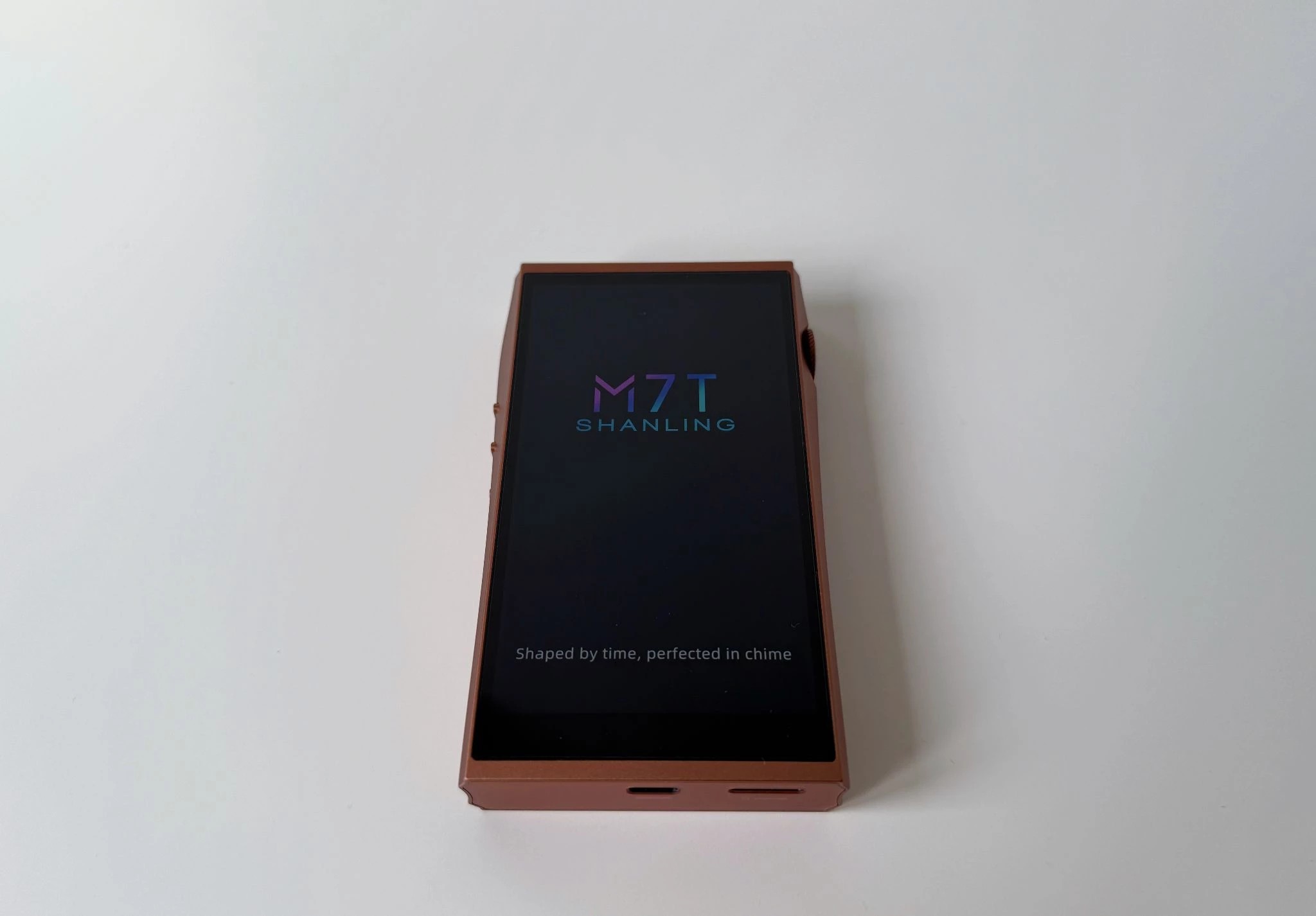
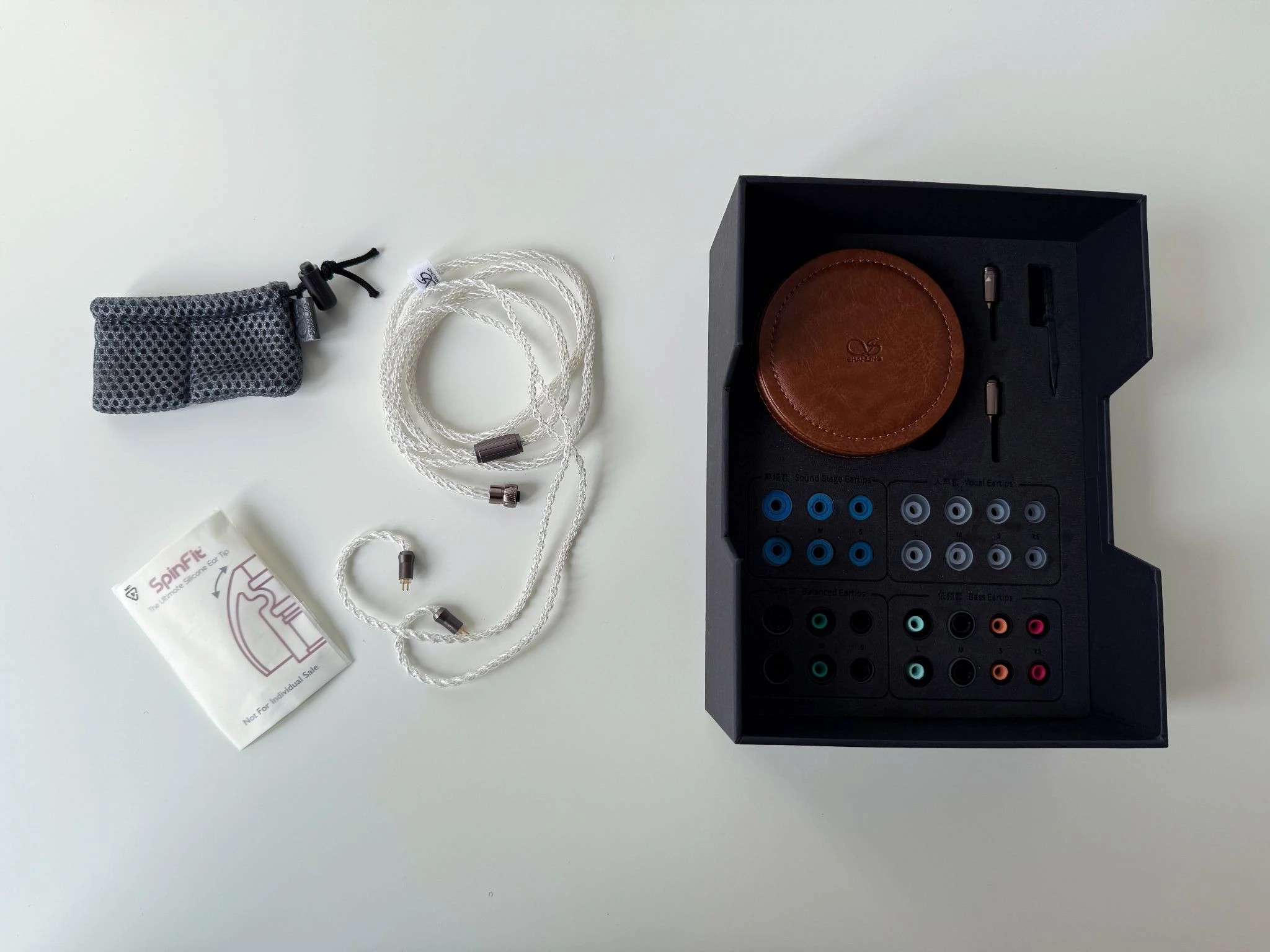
The M7T makes a strong first impression. The packaging is elegant, with an iridescent finish that feels properly premium, even if the accessories are minimal. You get a USB cable and screen protectors, no case, and oddly, the cable is USB-A to USB-C rather than USB-C to USB-C. A minor misstep, but not a deal-breaker.
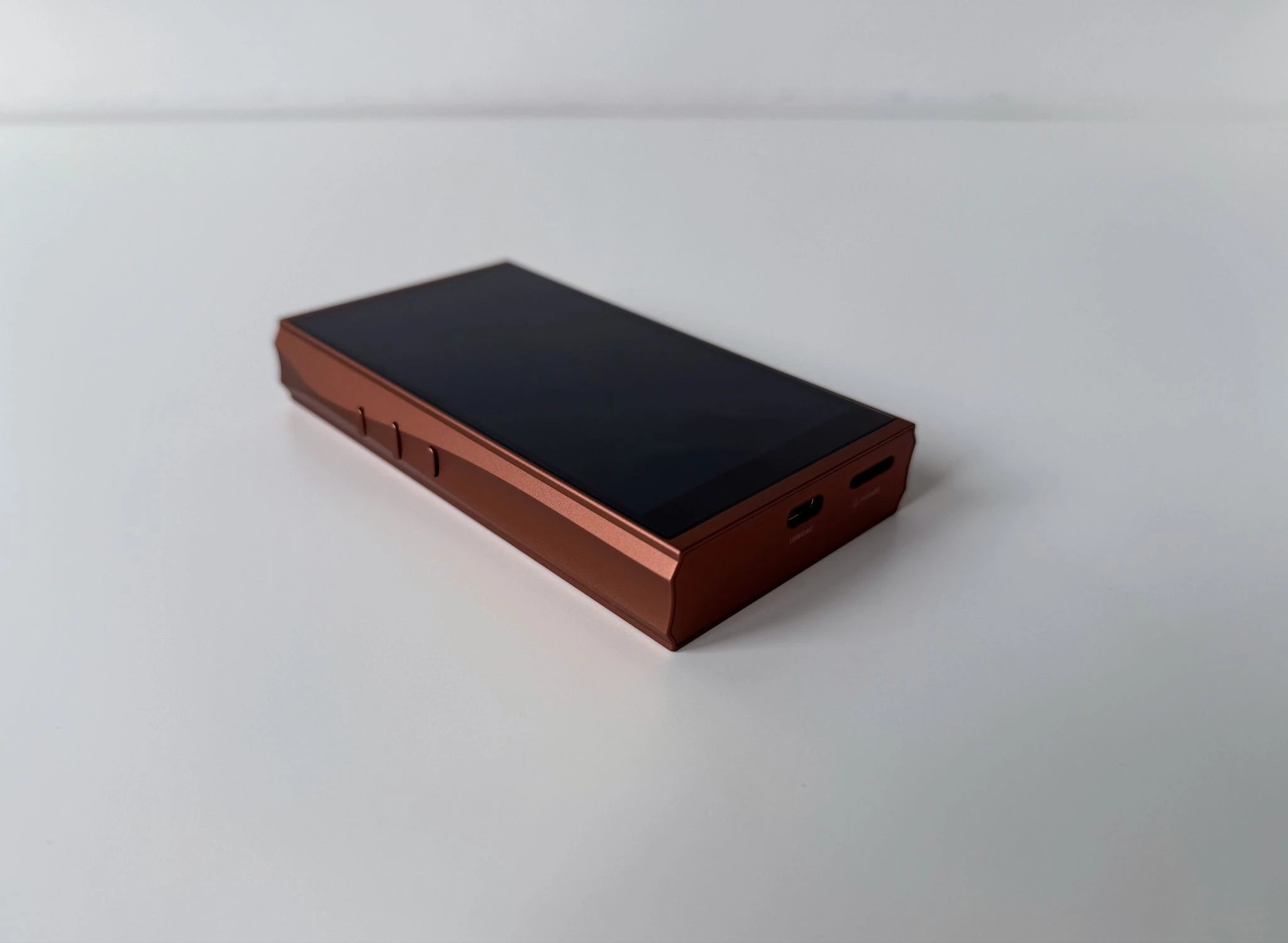
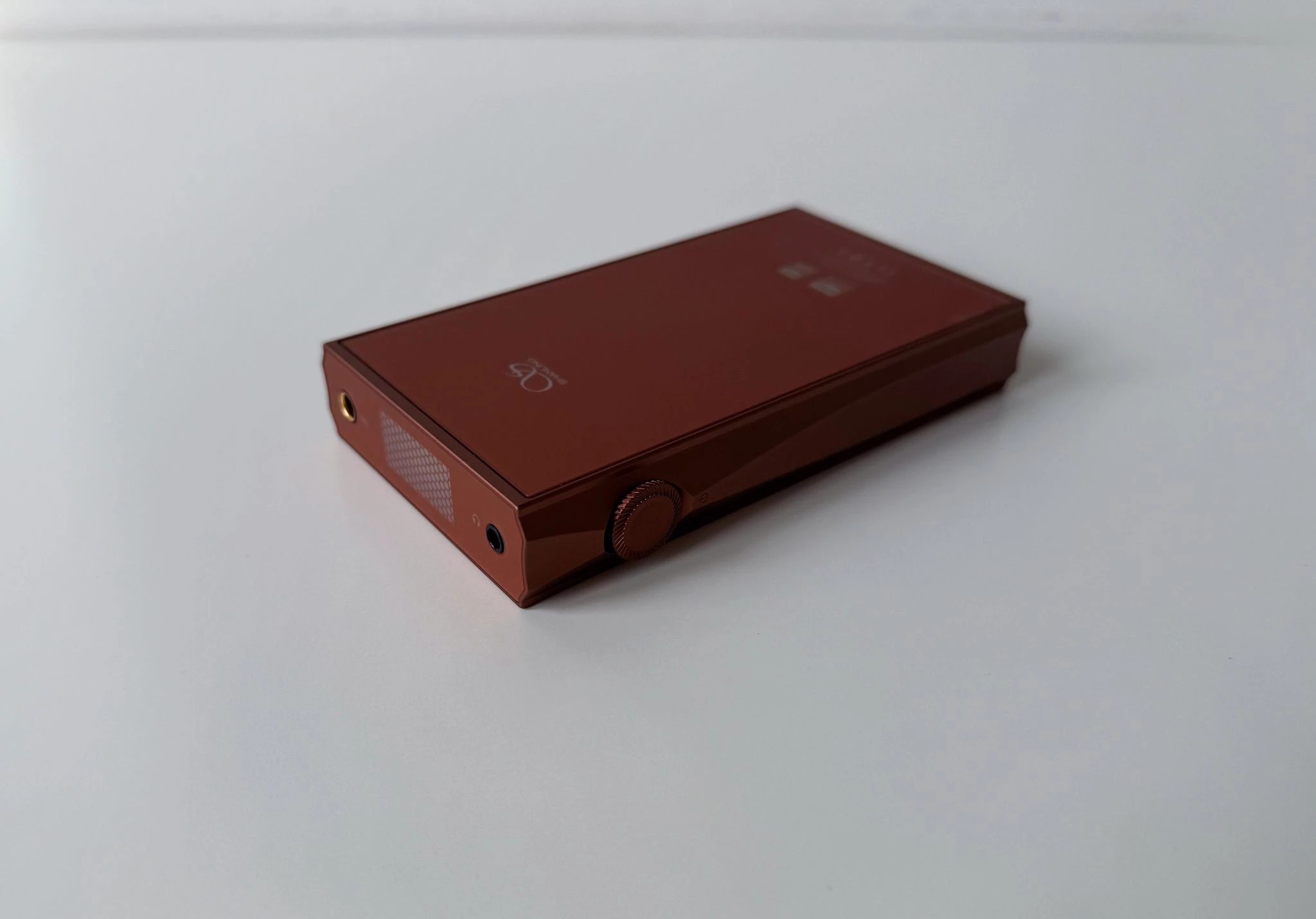
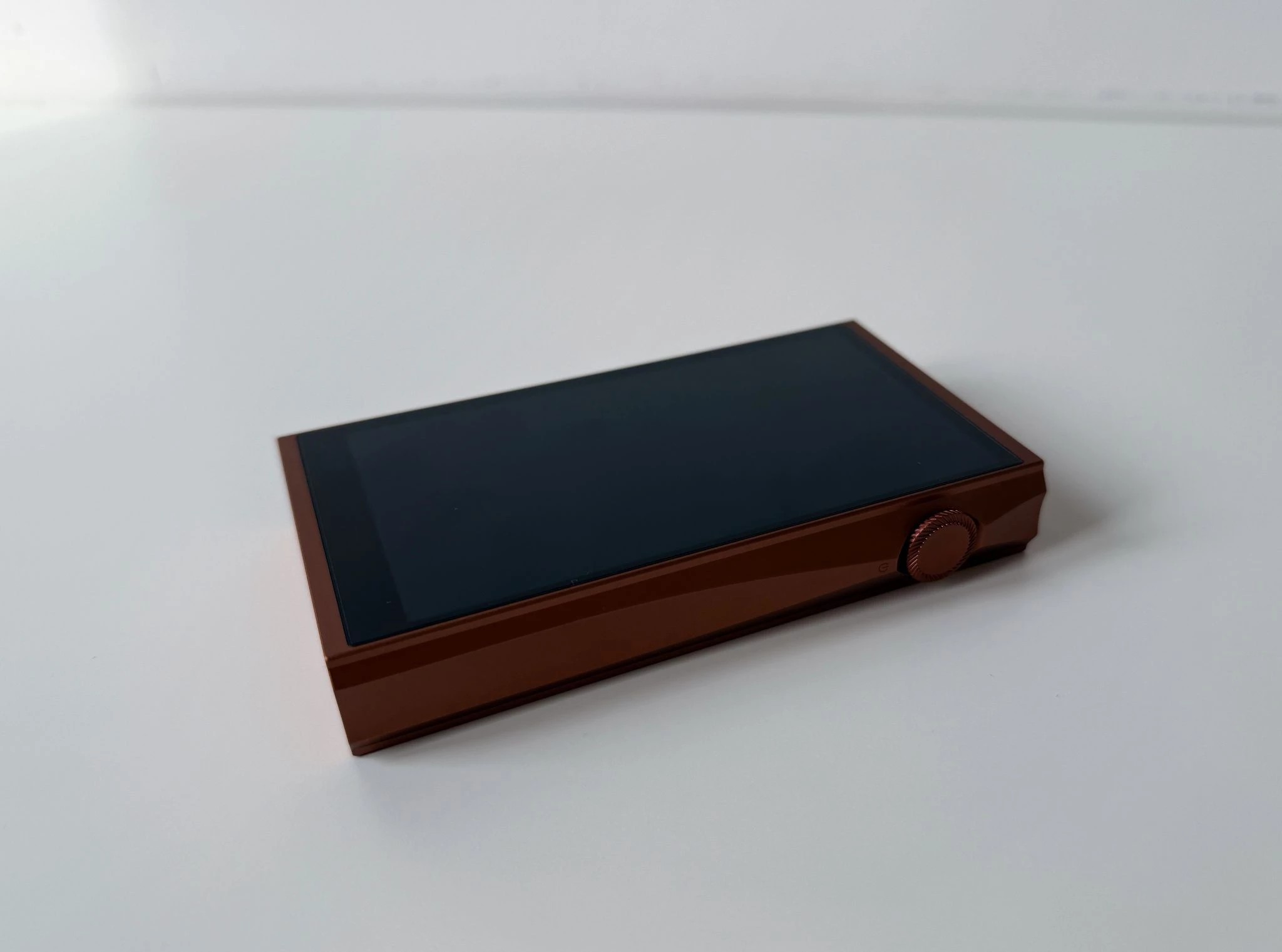
The player itself, however, is excellent. Glass panels meet a precision-milled magnesium-aluminum chassis, and the build quality is exactly where it should be at this level. The sculpted side panels and subtle detailing make it feel more expensive than it is, very much in the same visual league as Astell&Kern. Color options are well judged, with Starry Grey, Midnight Blue, and the standout Mocha finish. The small window revealing the tubes on top is a tasteful touch rather than a gimmick.
Despite its solid dimensions (129 × 77.5 × 21 mm), the M7T is surprisingly light at just under 320 g. It’s comfortable in hand and perfectly usable on the move, though not pocket-friendly in the ultra-compact sense. Think “transportable audiophile tool” rather than minimalist daily carry.
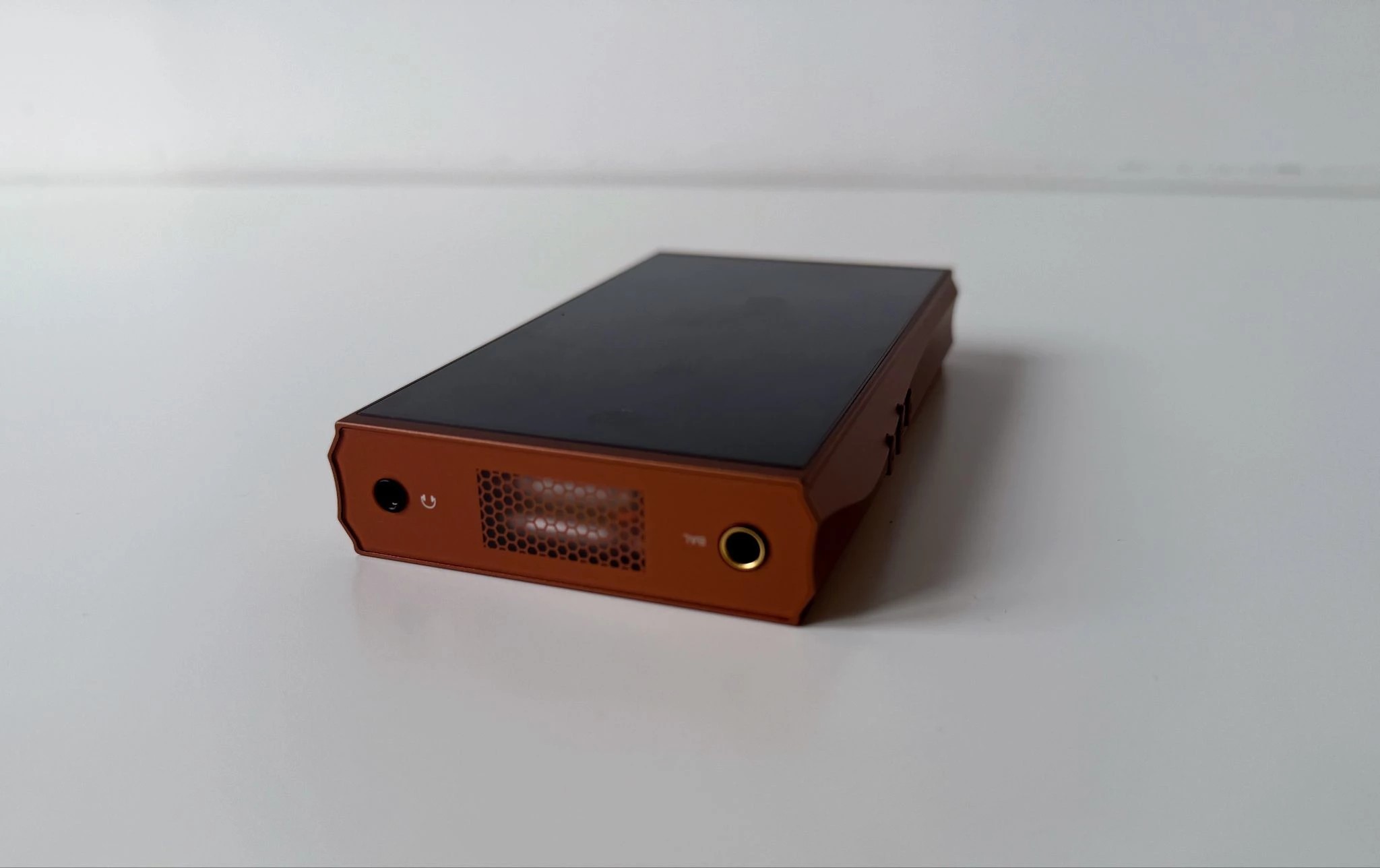
Controls are spot-on: a sharp 5-inch Full HD display, responsive touch input, three physical playback buttons, and a volume wheel that doubles as a power/lock switch. Everything feels precise, with no wobble or cheap tactility. Outputs include 3.5 mm single-ended, 4.4 mm balanced, USB-C (bidirectional), and coaxial SPDIF.
Platform, hardware & features
Under the hood, Shanling went all-in on a modern AKM implementation: dual AK4498EX DACs paired with a dedicated AK4191 delta-sigma modulator, separating digital and analog processing. Support tops out at PCM 32-bit/768 kHz and DSD1024, which is more than most libraries, or ears, will ever need. The AK4498EX is still rare in portable players, which already sets the M7T apart.
Amplification is switchable between tube and solid-state modes. Tube duties are handled by dual JAN6418 miniature valves, while the transistor stage uses a serious lineup of op-amps and buffers. Output power is impressive: up to 980 mW at 32 ohms from the balanced jack. This won’t replace a desktop rig for the most power-hungry planars, but it drives the vast majority of full-size headphones confidently, and remains dead silent with sensitive IEMs.
The M7T runs Android 13 on a Snapdragon 665 with 6 GB of RAM. Boot-up is a little slow, but day-to-day operation is smooth and stable. Shanling’s AGLO (Android Global Lossless Output) ensures bit-perfect playback, and Wi-Fi performance is rock solid. Bluetooth is limited to version 5.0, which feels dated on paper, but codec support is complete, including LDAC.
Battery life is another strong point. The 7,000 mAh cell delivers up to 14.5 hours single-ended, 12.5 hours balanced, and an impressive 66 hours over Bluetooth. Fast charging via QC and PD helps offset the large battery size.
Sound impressions
Listening tests were carried out with a wide range of headphones and IEMs, from ultra-resolving flagships to more forgiving designs. The core takeaway is simple: the M7T is a neutral, airy, and highly controlled player that just happens to have tubes.
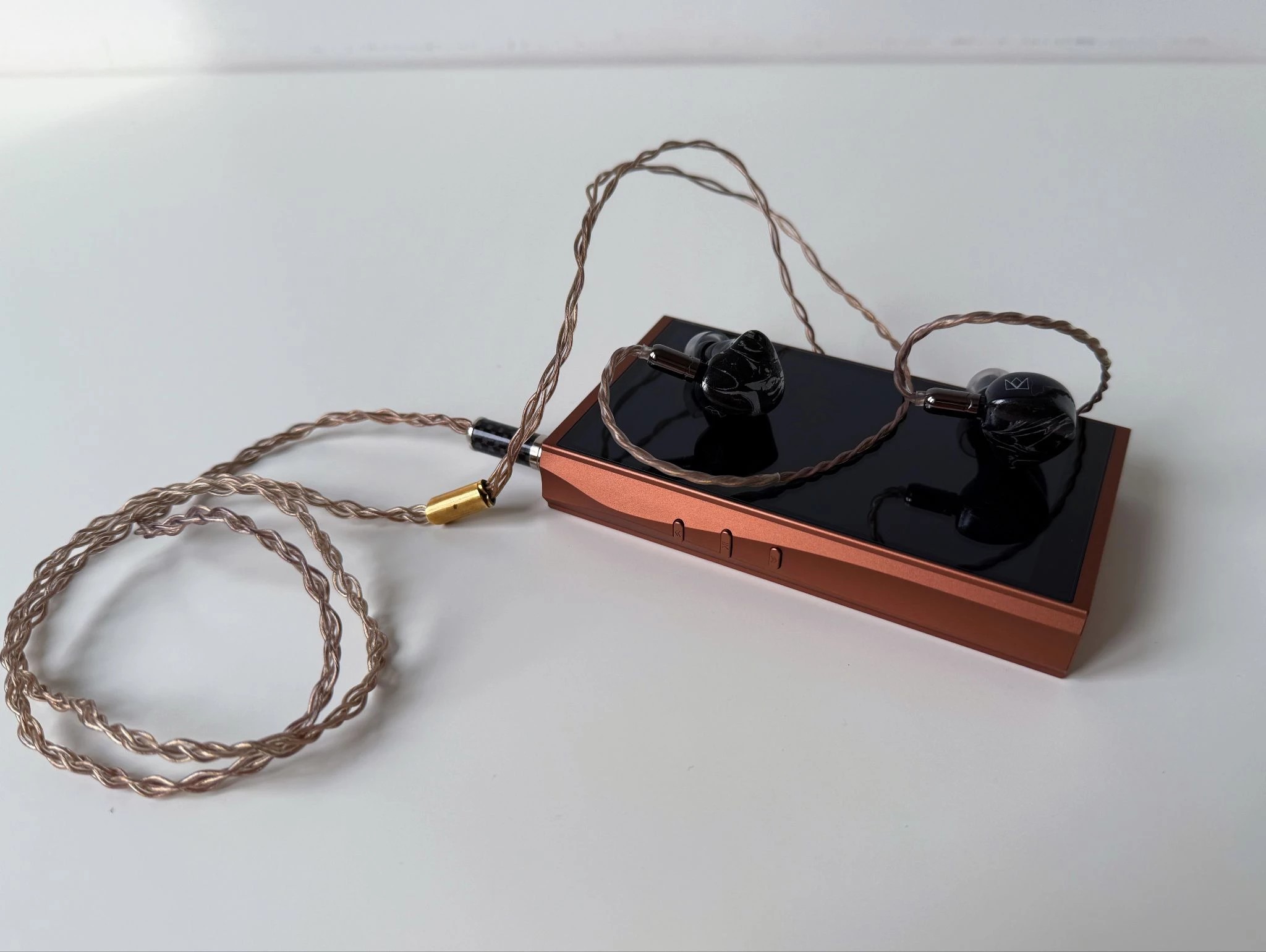
This is not a lush or bass-heavy presentation. Instead, the sound is light on its feet, fast, and remarkably clean. Transients are sharp without being edgy, and timing is excellent. The stage favors width over height, with precise imaging and a holographic sense of placement that makes complex mixes easy to follow.
Detail retrieval is strong but never shoved in your face. Micro-information is there when you listen for it, yet the overall presentation remains calm and composed. The tonal palette is natural and honest, avoiding excessive warmth or coloration. In fact, this may be the most “monitor-like” tube DAP currently on the market.
Tube vs transistor mode
The tube mode doesn’t rewrite the character, it subtly enriches it. You get slightly fuller timbres, a bit more elasticity in textures, and a gentle sense of flow that makes longer listening sessions more engaging. Crucially, it avoids the usual tube pitfalls: no excessive haze, no syrupy bloom, and no fatigue over time. It’s tube flavor done with restraint, and it works.
Frequency balance
-
Bass: Fast, tight, and disciplined. Sub-bass has good solidity and control, with convincing punch, but those craving weight and warmth may want more mass.
-
Midrange: Neutral, open, and airy. Vocals are clear and believable, though some listeners may miss a bit of density and emotional push in the upper mids.
-
Treble: Clean, extended, and crystalline without harshness. There’s sparkle and layering here, especially rewarding with acoustic and well-recorded material.
Comparison: M7T vs M8T
The M8T is unapologetically expressive, big stage, rich tones, and emotional drive. The M7T is its calmer sibling: more linear, more controlled, and more technically focused. Neither replaces the other. The choice isn’t about price or hierarchy, but about taste. One is a celebration, the other a reference.
Conclusion
The Shanling M7T is a fascinating contradiction, and a successful one. It’s a tube player for listeners who value neutrality, speed, and balance over overt coloration. Add excellent build quality, strong power output, modern Android functionality, and very good battery life, and you get a DAP that feels carefully thought out rather than trend-driven.
If you want tube romance first and foremost, look elsewhere. If you want precision, versatility, and just a touch of tube magic, without sacrificing honesty, the M7T makes a very strong case for itself.




Sound Off
0Join the discussion if you have something to add.