
Wireless full-size headphones have quietly become the most versatile category in personal audio. They’re the headphones you grab without thinking — for commuting, travel, late-night listening, office work, or just zoning out at home. No cables, no adapters, no friction. Just put them on and press play.
In 2025, this segment is more competitive than ever. Active noise cancellation is now standard. Transparency modes are actually usable. Apps let you shape the sound, tweak controls, update firmware, and fine-tune everything from EQ curves to spatial audio. And thanks to better codecs and smarter DSP, sound quality has moved far beyond “good for Bluetooth.”
Another big reason full-size wireless still wins: soundstage and physicality. Larger drivers and bigger earcups simply move more air. Compared to true wireless earbuds, you get scale, depth, and dynamics that feel closer to real hi-fi. And for listeners who never quite get along with in-ears, over-ears remain the only truly comfortable, long-session option.
This guide covers five models I’ve spent real time with during 2025. No spec-sheet impressions, no five-minute demos. These are headphones I actually lived with. They’re ranked by price, from the most accessible to the no-compromise flagship.
Let’s get into it.
Sony ULT Wear
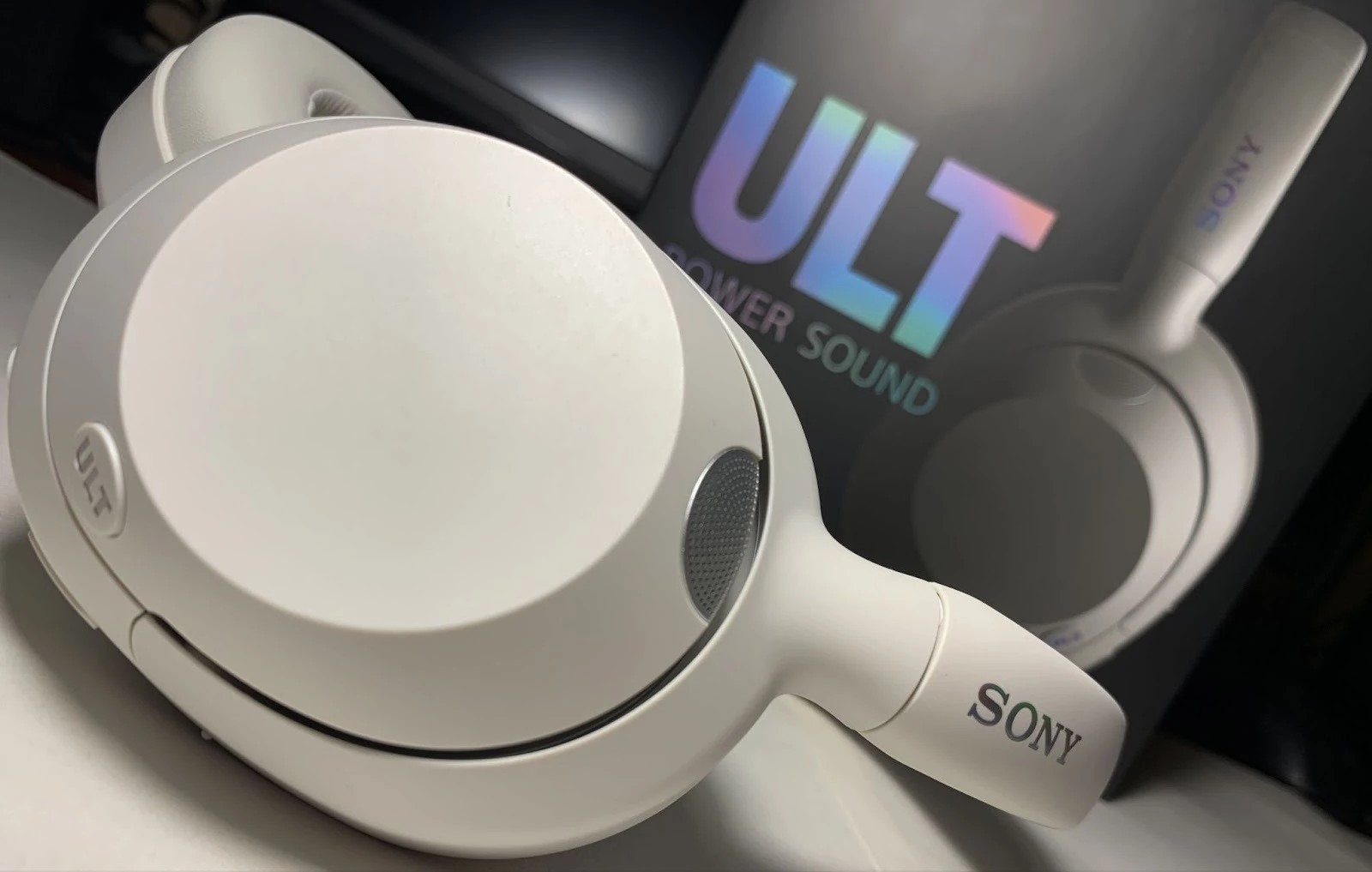
Big bass, big fun, small price
If you want an easy entry into wireless over-ear headphones — and you like your music with authority — the Sony ULT Wear is a great place to start. These are unapologetically tuned for impact, energy, and enjoyment.
Sony knows its audience here. The sound is bold, warm, and bass-forward, aimed squarely at listeners who value drive over microscopic detail. There’s even a dedicated ULT button for extra low-end punch, which tells you everything you need to know about the tuning philosophy.
Despite the fun-first sound, comfort is excellent. They’re light, the ear pads are soft with memory foam, and clamping force is just right for long listening sessions. Noise cancellation is strong for the price, and passive isolation is already doing a lot of the work.
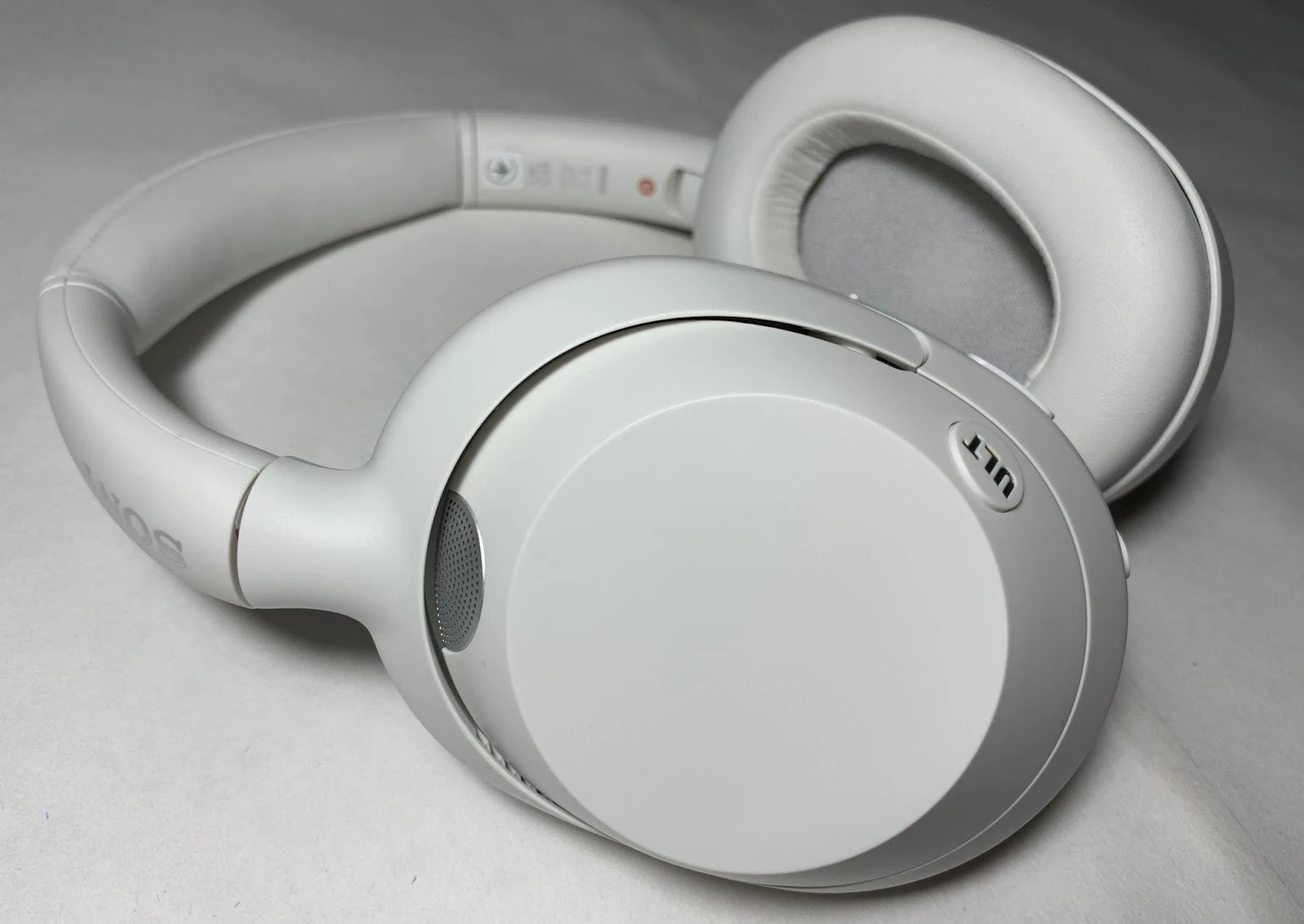
Feature-wise, they punch above their class:
-
Solid ANC and transparency
-
Sony’s mature companion app with EQ and sound processing
-
LDAC support
-
Reliable touch controls
-
Around a full work week of battery life with ANC
Sound snapshot
-
Bass: Big, punchy, and forward. Not ultra-deep, but very satisfying.
-
Mids: Warm and friendly, vocals come through nicely.
-
Treble: Smooth out of the box, opens up well with EQ.
Who they’re for:
If you want a fun, comfortable, feature-packed pair of headphones that make electronic music, hip-hop, pop, and modern rock hit hard — without spending flagship money — these are a no-brainer.
Final Audio UX5000
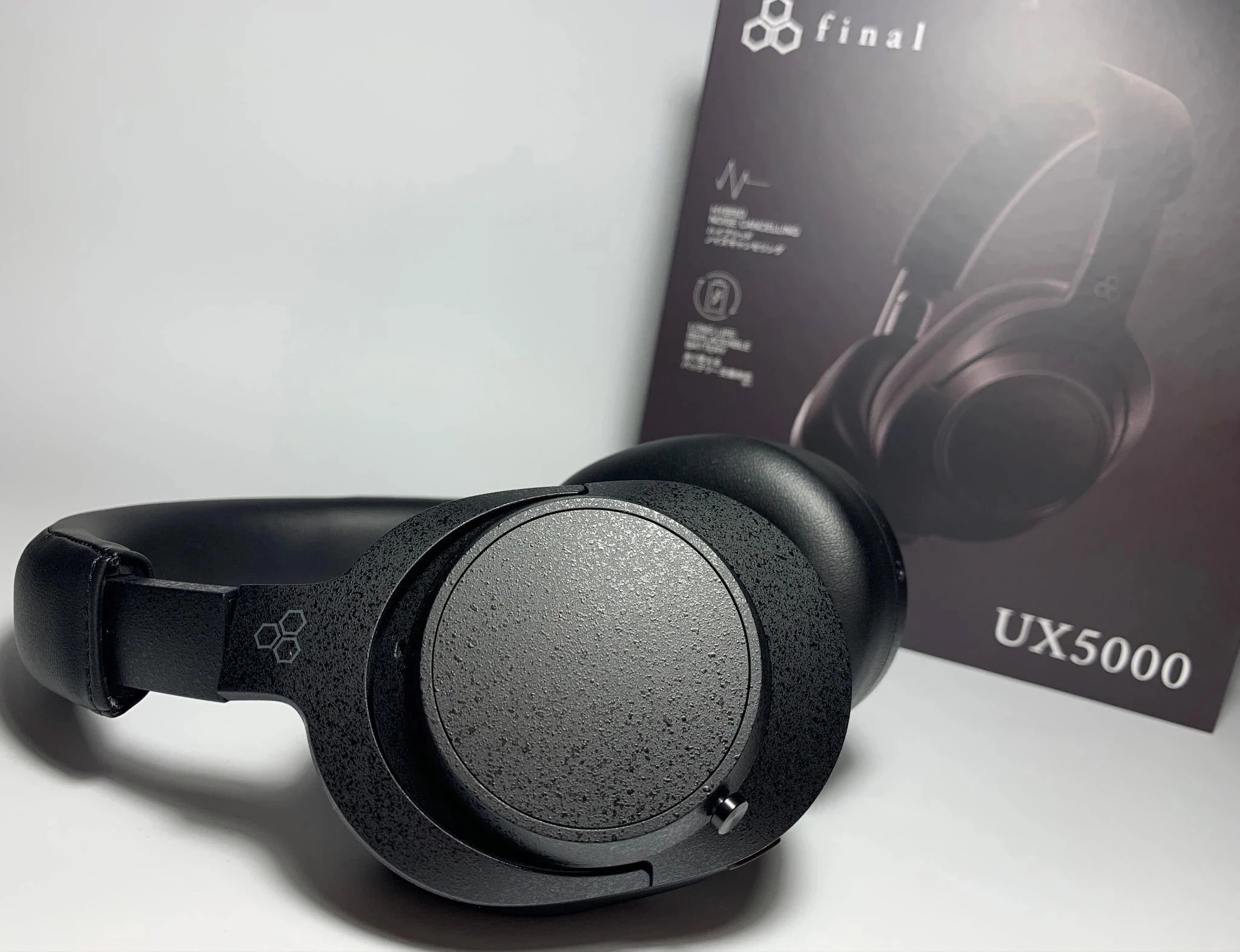
Japanese restraint, serious low-end, grown-up tuning
Final Audio takes a very different approach. The UX5000 isn’t flashy, doesn’t try to impress at first glance, and doesn’t chase trends. Instead, it focuses on sound quality, autonomy, and practical usability.
Design-wise, these feel closer to studio gear than lifestyle headphones. Matte black plastics, no gloss, no gimmicks — just solid construction and a refreshingly sensible physical joystick for control. It works brilliantly, especially when you’re outside or wearing gloves.
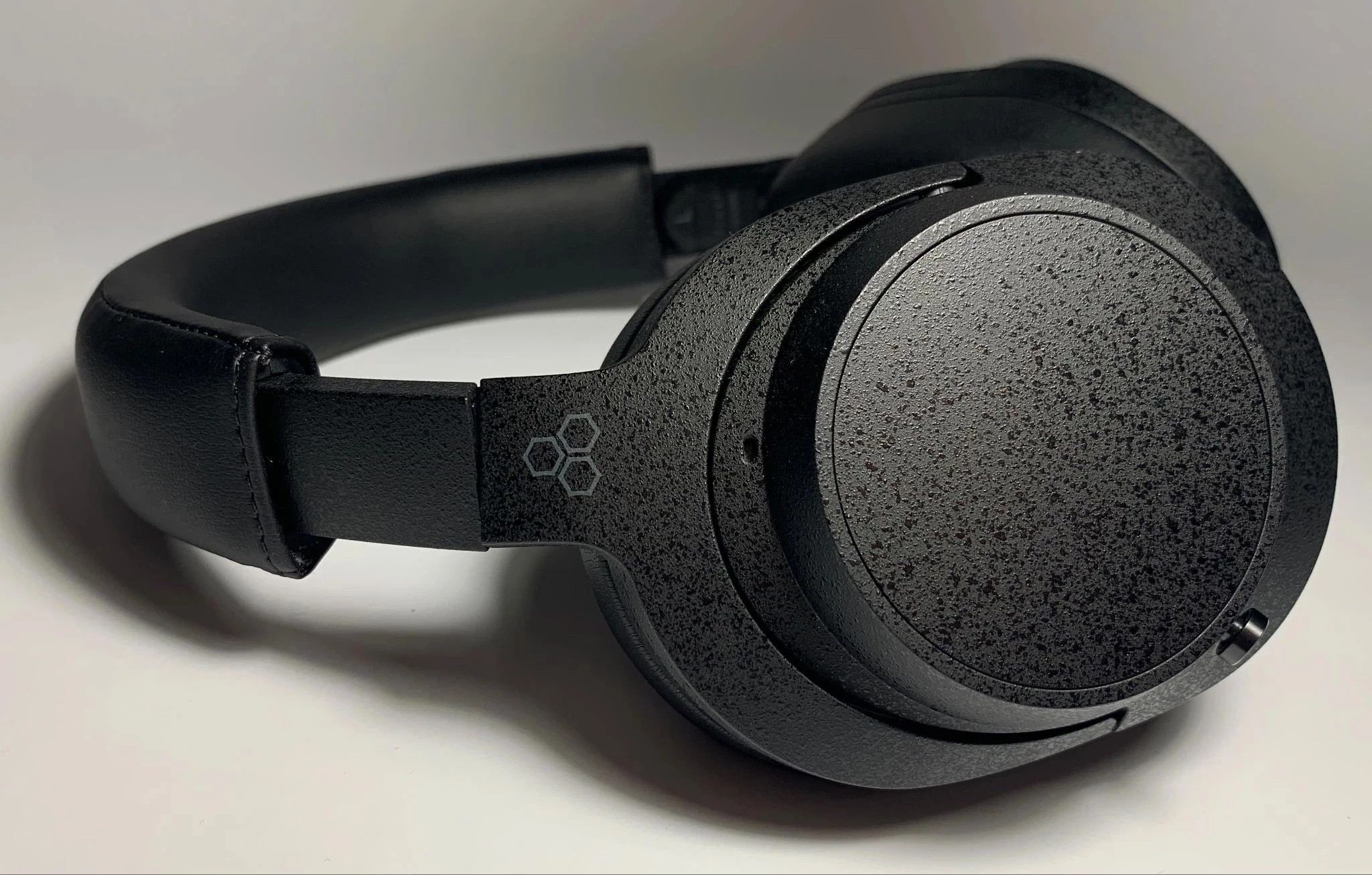
On the inside, the UX5000 is a powerhouse:
-
Excellent noise cancellation
-
LDAC and aptX Adaptive
-
Multipoint Bluetooth
-
A proper multi-band EQ
-
Massive battery life that puts many competitors to shame
Comfort is good, though the earcups aren’t huge — listeners with larger ears should try them on first.
Sound snapshot
-
Bass: Deep, weighty, and physical. Not fast, but very engaging.
-
Mids: Smooth and slightly relaxed, rich in tone.
-
Treble: Energetic and open, but not shy.
Who they’re for:
Listeners who want an emotional, immersive sound with strong bass, long battery life, and zero lifestyle fluff. These are headphones you use, not show off.
Sony WH-1000XM6
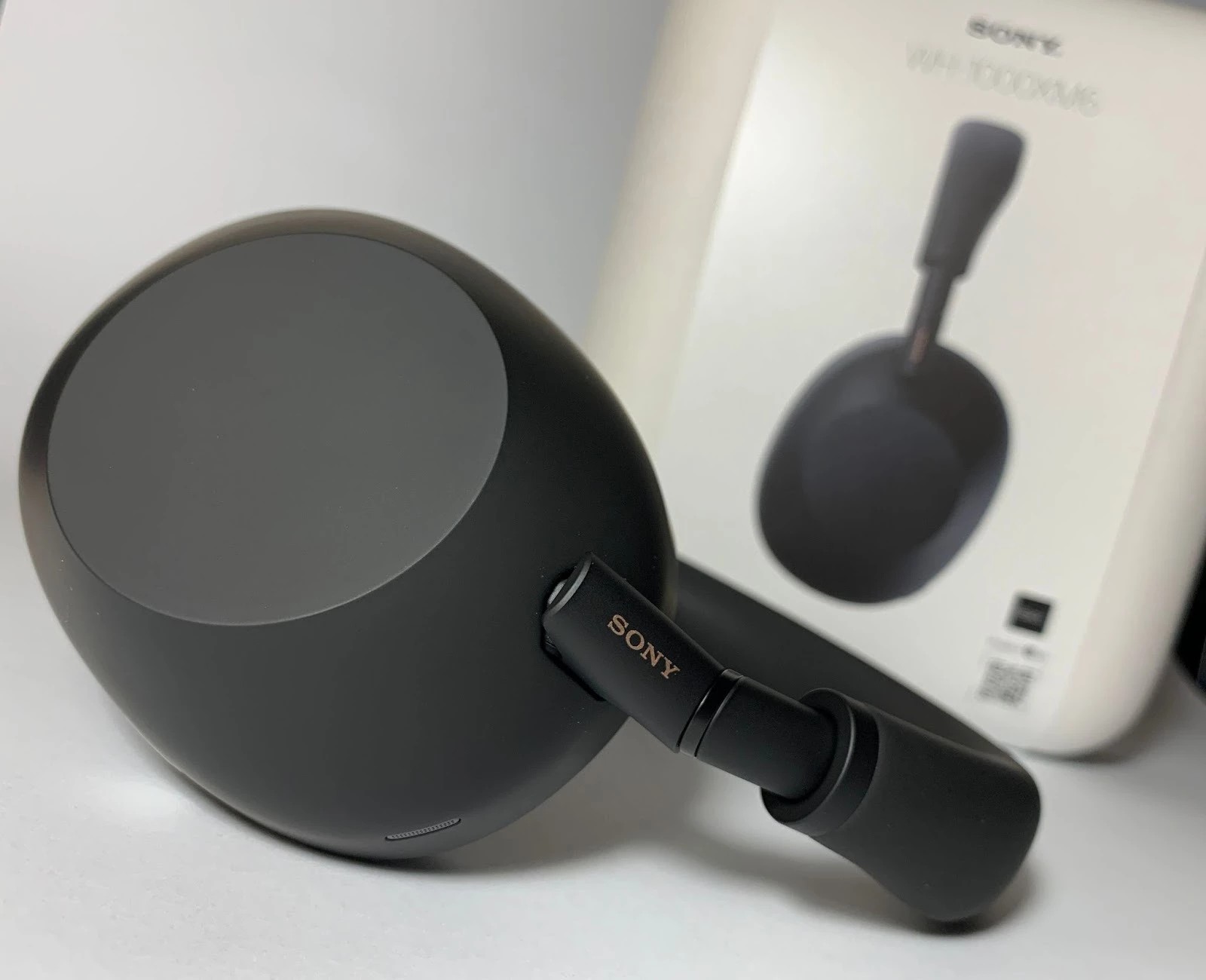
The all-rounder king, refined again
Sony’s WH-1000X line has been the reference point for years, and the XM6 continues that tradition with careful, incremental improvements rather than radical change.
Everything that already worked is still here — but better. Noise cancellation is among the best you can buy, transparency mode feels more natural than ever, call quality is excellent, and comfort remains top-tier. The folding design is back, making them far more travel-friendly than the previous generation.
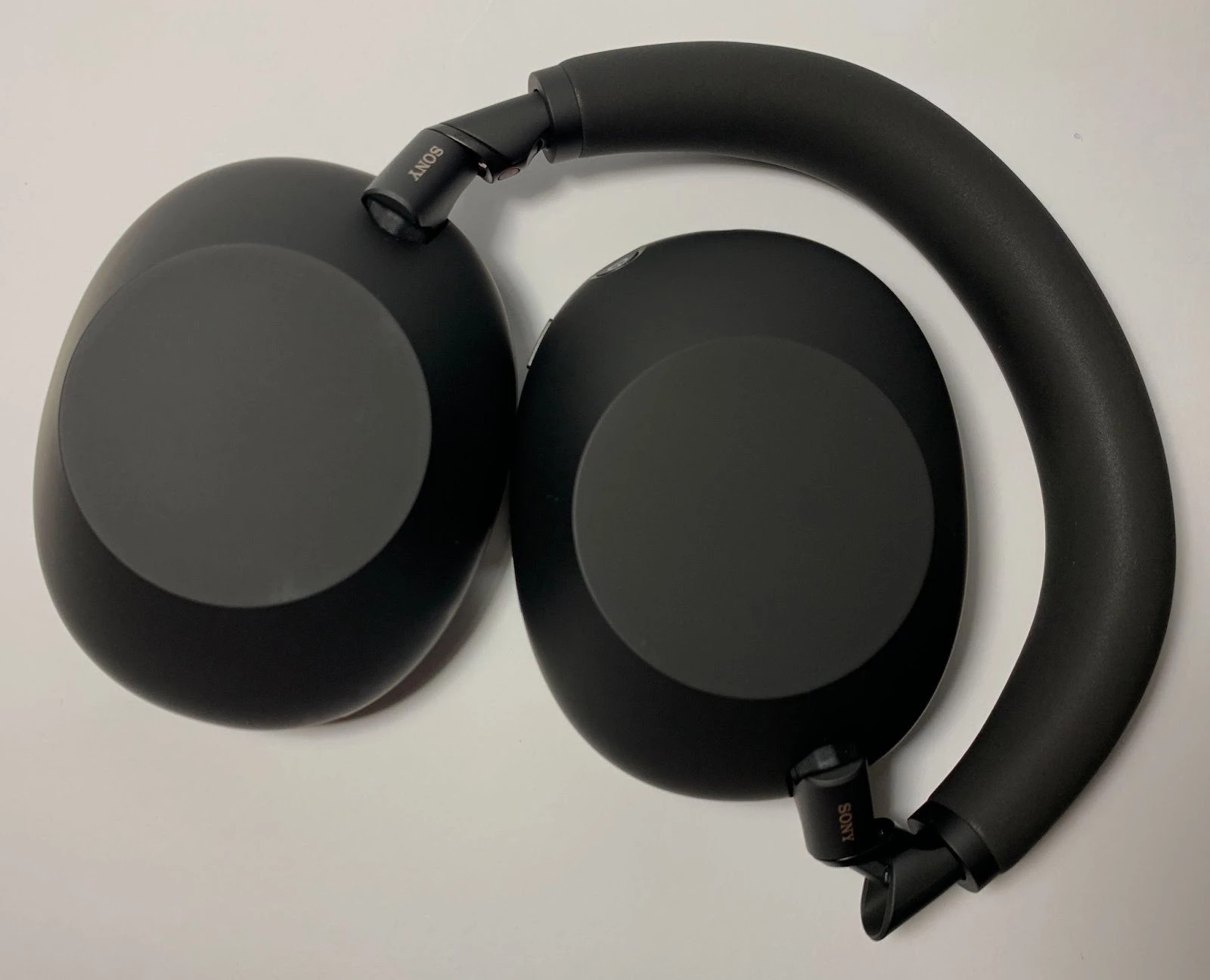
This is peak Sony ecosystem thinking:
-
Advanced ANC with multi-mic arrays
-
Broad codec support, including modern Bluetooth audio
-
Deep app customization
-
Reliable touch controls
-
Solid battery life, plus listening while charging
Sound snapshot
-
Bass: Full, controlled, and punchy — less “plastic” than earlier models.
-
Mids: Rich and clear, great for vocals.
-
Treble: Clean, airy, never aggressive.
Who they’re for:
If you want one pair of headphones that does everything well — commuting, office calls, travel, home listening — and you want it to “just work,” this is still the safest flagship recommendation around.
Sennheiser HDB 630
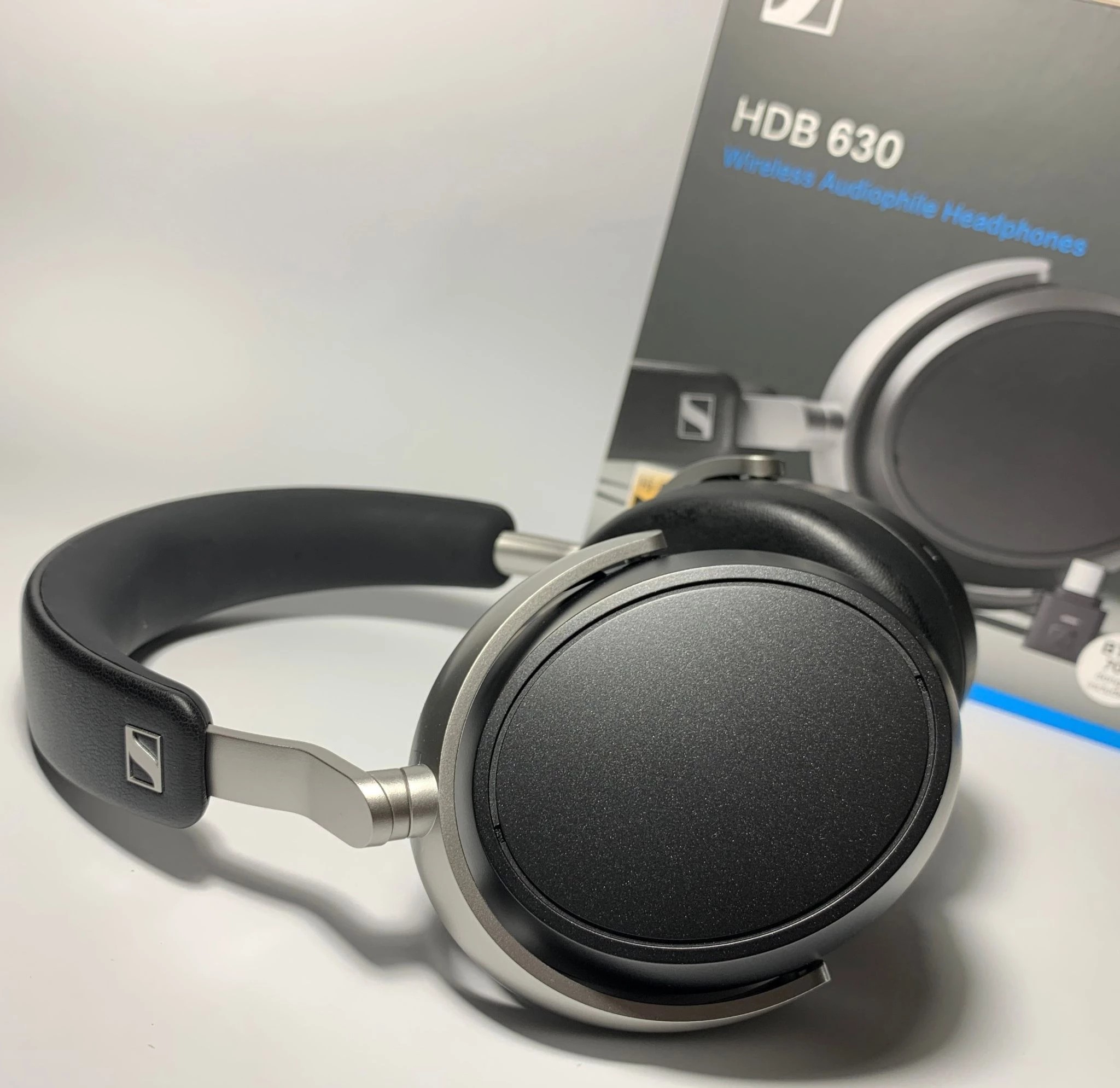
Wireless, but thinking like wired hi-fi
This is where things get serious.
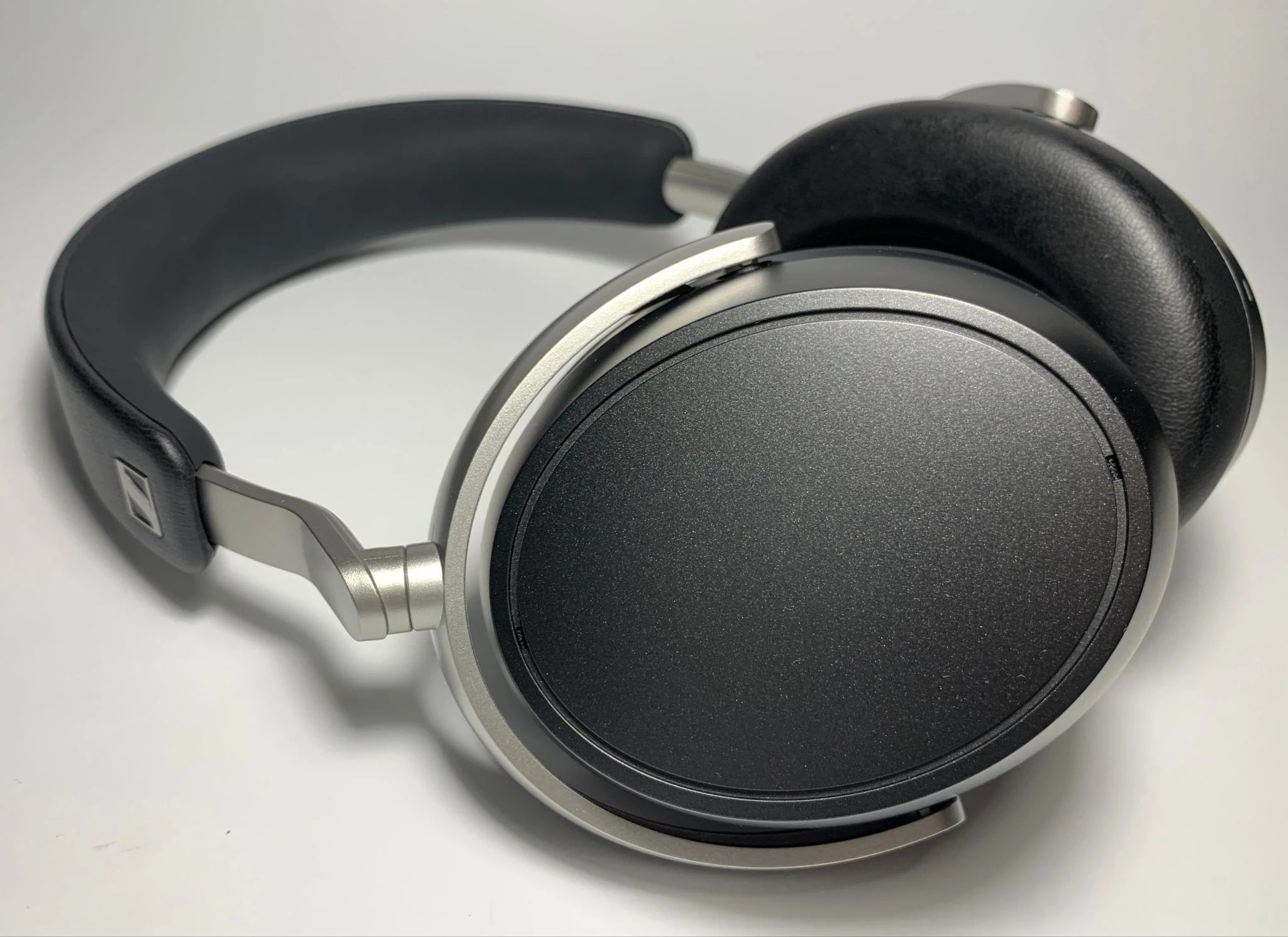
The HDB 630 isn’t chasing mass appeal. It’s built for listeners who care deeply about tuning, balance, and control. The standout feature here is the parametric equalizer in the app — not a gimmick, but a real tool that lets you shape the sound with surgical precision.
Add to that the included USB-C wireless dongle, which bypasses many Bluetooth limitations and delivers consistently high sound quality across devices, and you’ve got one of the most technically interesting wireless headphones on the market.
Comfort is excellent, build quality is understated but solid, and noise cancellation works without messing with the sound — a rare achievement.
Sound snapshot
-
Bass: Clean, tight, and perfectly controlled.
-
Mids: Clear, accurate, and very revealing.
-
Treble: Detailed and airy without fatigue.
Who they’re for:
Listeners who already know what they like — and want wireless headphones that behave like proper audio equipment, not consumer gadgets.
DALI IO-12
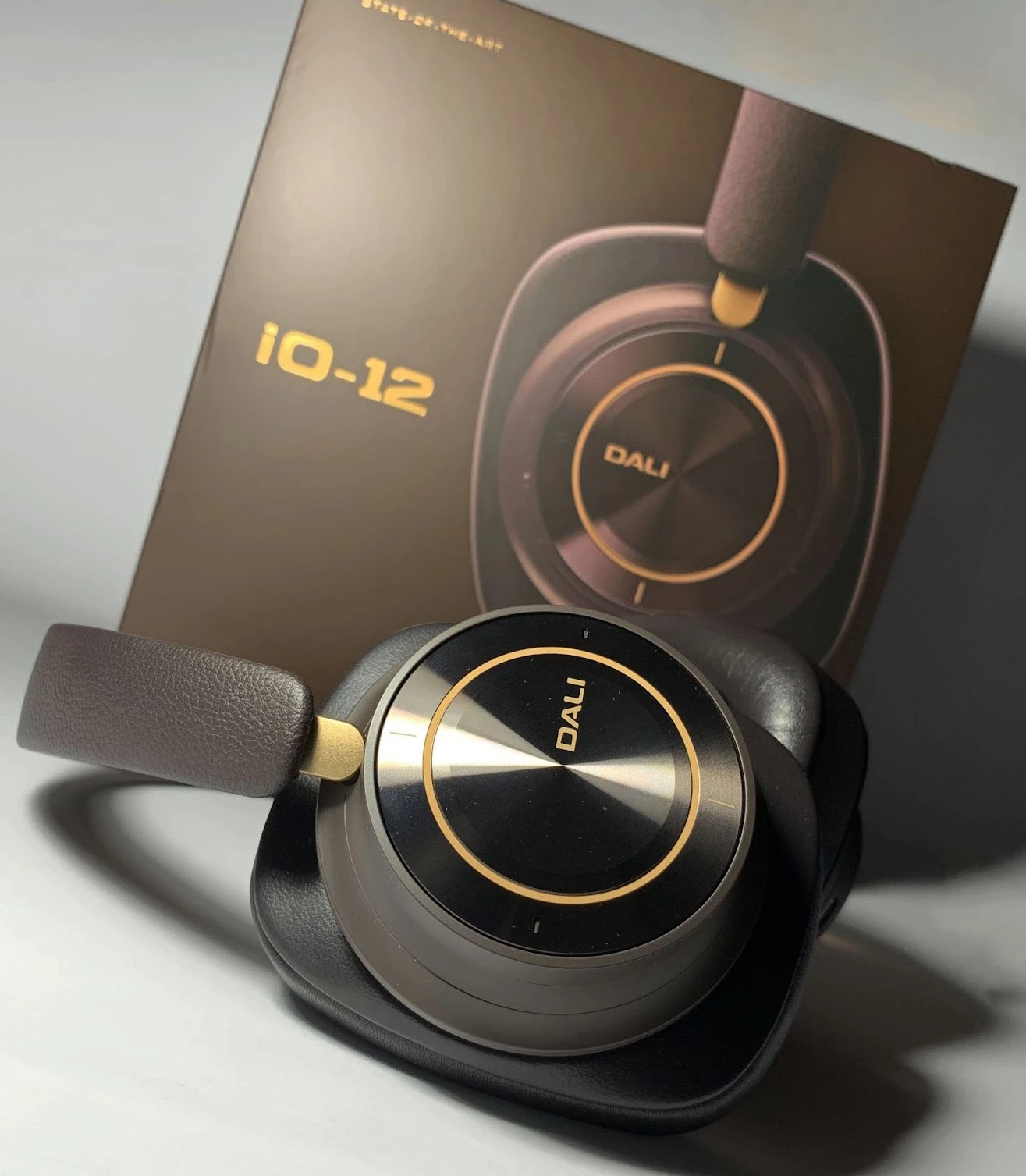
The wireless headphones that think they’re hi-fi speakers
At the very top sits the DALI IO-12 — and nothing else in this category quite compares.
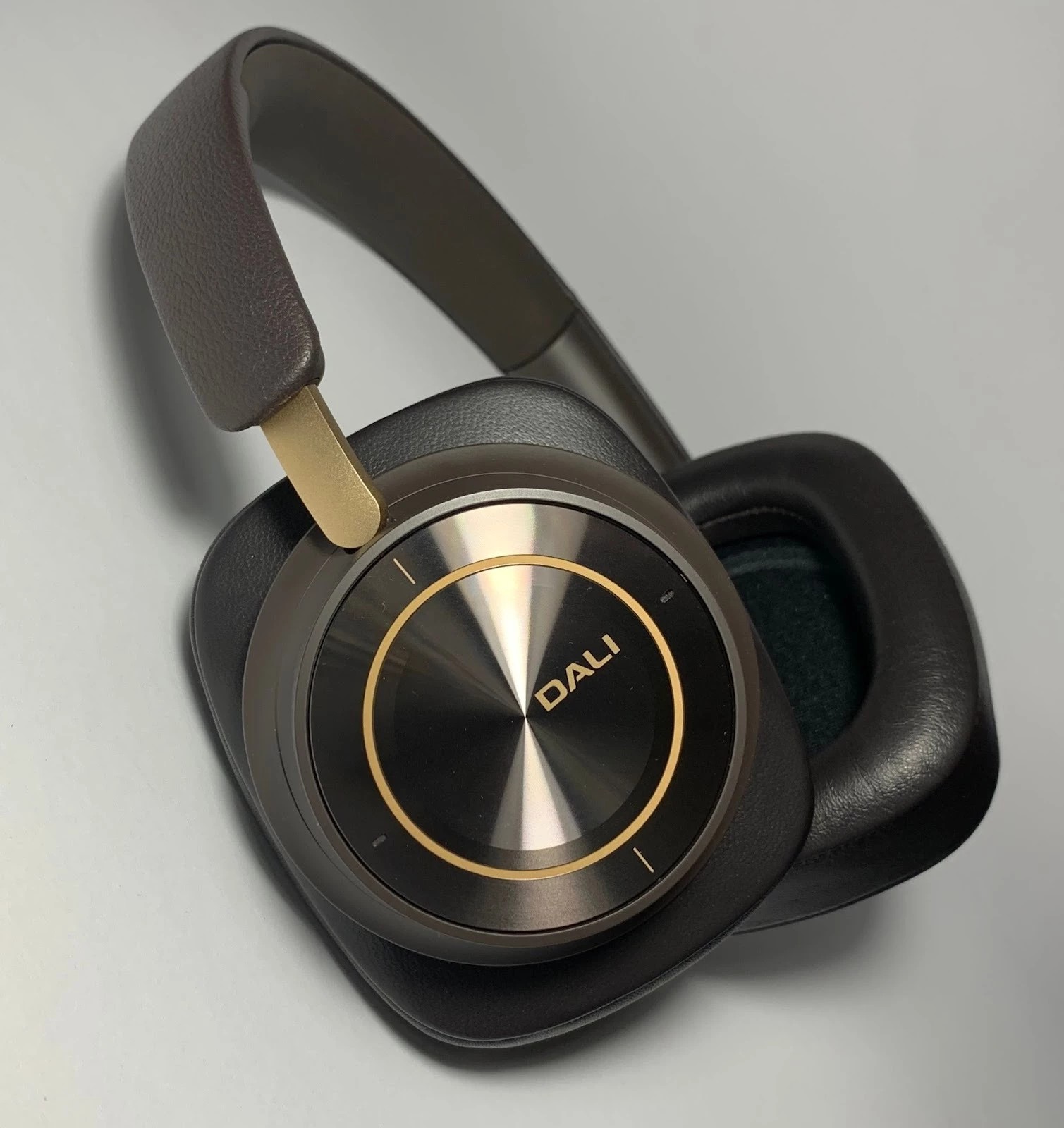
These don’t sound like “great Bluetooth headphones.” They sound like real hi-fi, just without the cables. The tuning is natural, balanced, and effortlessly musical. There’s no need for apps, endless settings, or DSP tricks. DALI got the fundamentals right at the factory.
Controls are physical. Sound modes are minimal. And yes — you can use them passively, wired, with the electronics off, which is almost unheard of in this class.
Build quality is unapologetically premium: metal, leather, flawless assembly. They’re large and heavy, so not ideal for casual street use — but that’s not the point.
Sound snapshot
-
Bass: Deep, textured, perfectly integrated.
-
Mids: Open, lifelike, and spacious.
-
Treble: Extended, airy, and refined.
Who they’re for:
Experienced listeners who want the best possible sound in a wireless format, full stop. These are not entry-level headphones. They’re an endgame purchase.
Conclusion
This list isn’t about what’s newest or most hyped. It’s about headphones I’ve actually lived with — long enough to understand their strengths, flaws, and personalities.
No ranking is universal. Sound is personal. Comfort is personal. What feels magical to one listener might leave another cold. That’s just audio.
So treat this guide as a map, not a rulebook. Use it to narrow your options — and whenever possible, trust your own ears.
Because in hi-fi, there’s still no substitute for listening.