
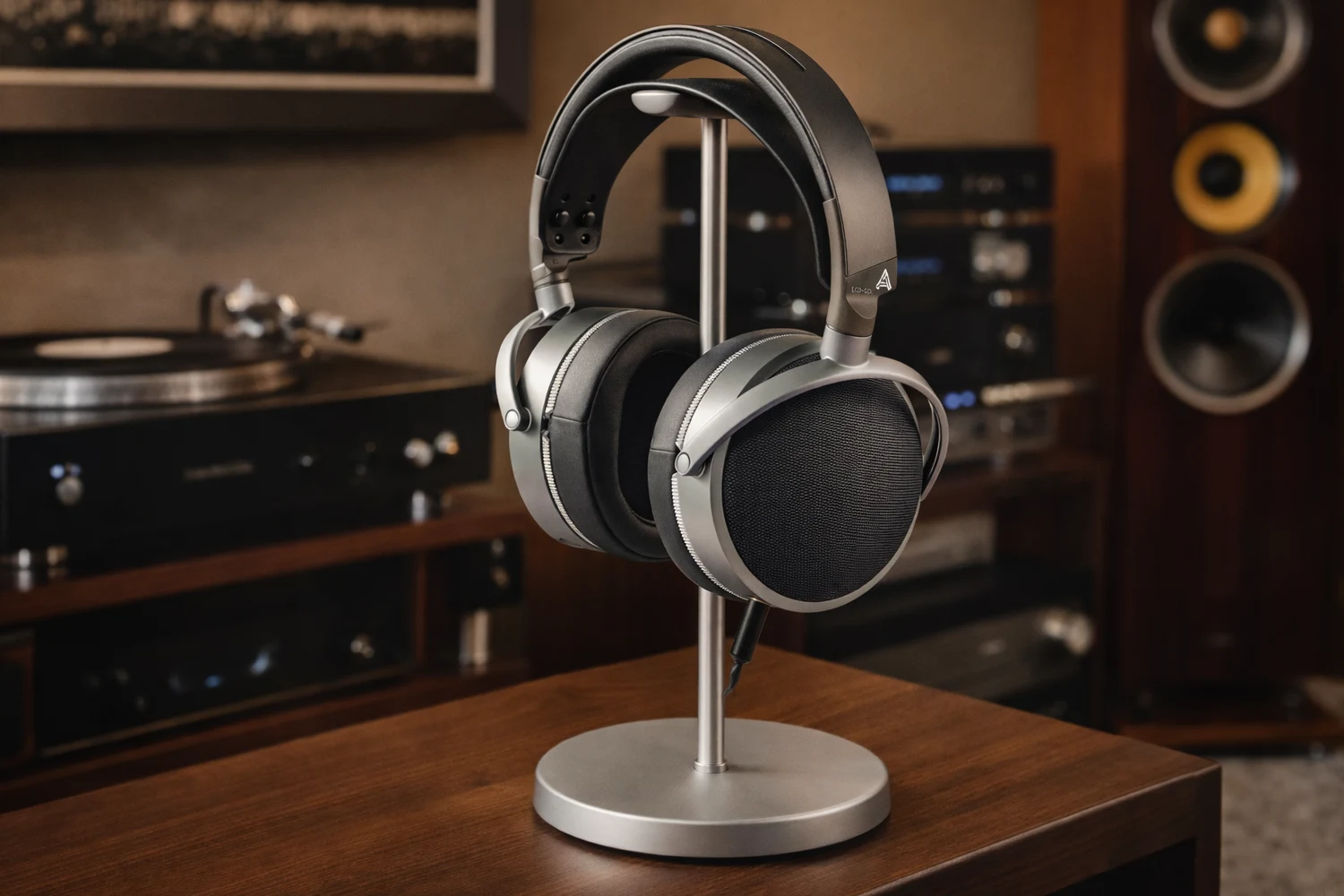
For a long time, Audeze occupied a very specific and almost unreachable corner of the headphone world. Monumental planar drivers, reference-level sound, and prices that firmly placed the brand in the “aspirational” category. Owning an Audeze once meant committing serious money—and serious neck muscles.
Over the past few years, Audeze has undergone a quiet but decisive transformation. Without abandoning its planar-magnetic DNA, the company has systematically lowered the barrier of entry, broadened its audience, and—perhaps most importantly—redefined what professional headphone monitoring can look like in the real world. The LCD-S20 is the clearest expression of that shift so far.
Models like the LCD-4 and later the LCD-5 weren’t just flagships—they were statements. Enormous resolving power, astonishing bass articulation thanks to Audeze’s magnet technologies, and a level of tonal honesty that pushed headphones into territories once reserved exclusively for treated rooms and full-range studio monitors.
The LCD-5, in particular, marked a turning point. By drastically reducing weight and refining the frequency balance, Audeze helped legitimize headphones as serious tools for mixing and decision-making—not just checking details, but building entire productions. When engineers like Andrew Scheps openly endorsed headphone-based workflows, the industry took notice.
But prestige alone doesn’t change workflows. Accessibility does.
That second turning point came with Audeze’s collaborations with Manny Marroquin. The MM-500—and later the MM-100—proved that you could get genuinely “adult” planar sound at prices that no longer excluded enthusiasts, students, or smaller studios. The result was simple: Audeze headphones stopped being rare objects and started becoming everyday tools.
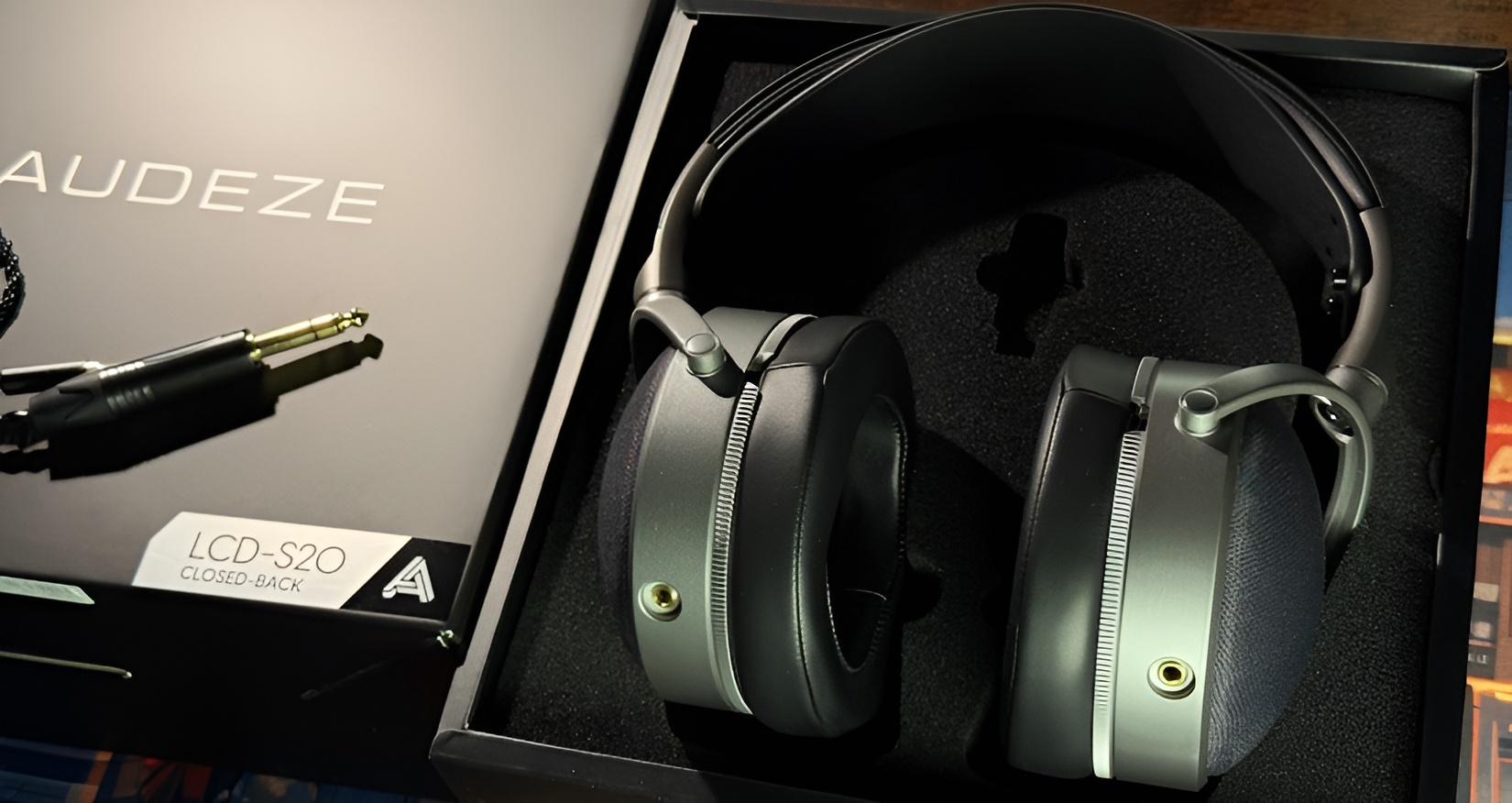
Why the LCD-S20 Is Different
The LCD-S20 takes that evolution one step further—into territory that, until recently, simply didn’t exist.
Closed-back planar headphones have always been a compromise. Seal the cups, and you gain isolation—but you lose bass control, transient speed, spatial openness, and tonal accuracy. Pressure builds, resonances creep in, and the sound collapses inward.
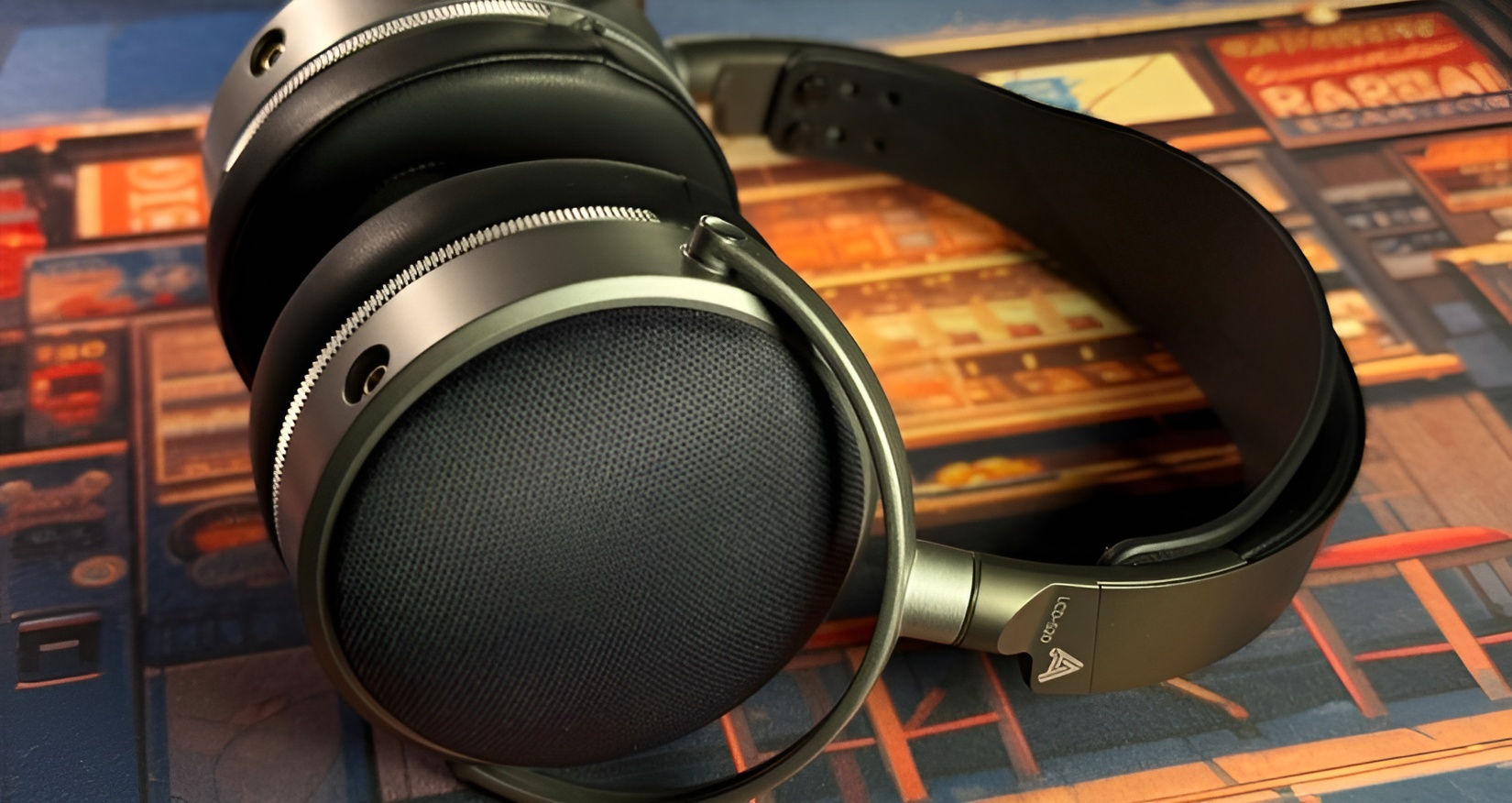
The LCD-S20 breaks that pattern using Audeze’s new SLAM (Symmetric Linear Acoustic Modulator) system.
Rather than trapping air inside the cups, SLAM uses carefully engineered channels to relieve internal pressure without breaking isolation. The result is unusual, almost disorienting at first: a closed-back headphone that behaves like a semi-open design, without leakage in or out.
This matters far more than it sounds on paper.
Build, Design, and Ergonomics
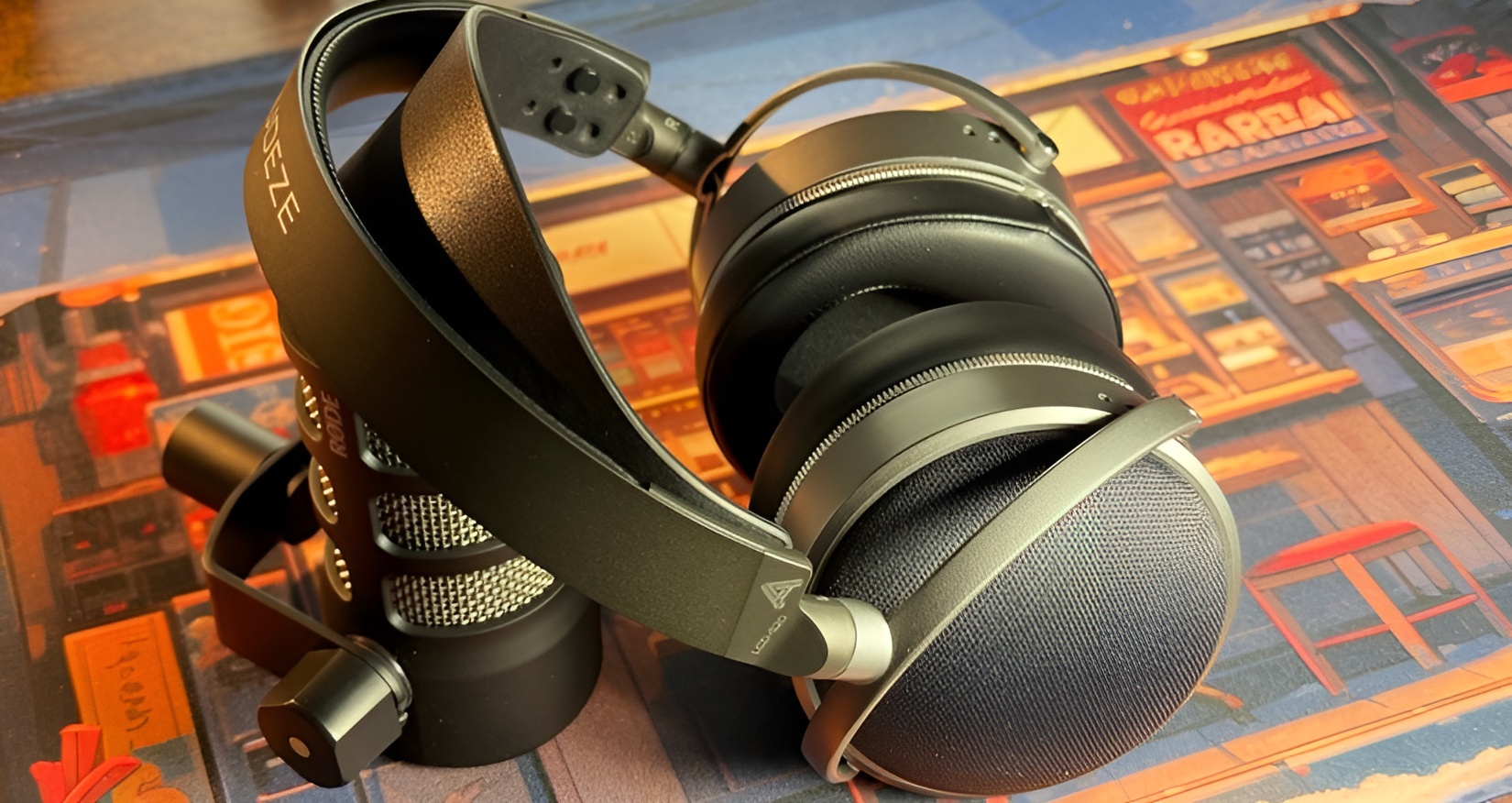
Physically, the LCD-S20 follows a now-familiar Audeze formula. The chassis and headband architecture are shared with models like the MM-100 and Maxwell, and that’s a good thing. The design is robust, industrial, and clearly optimized for long-term professional use rather than visual drama.
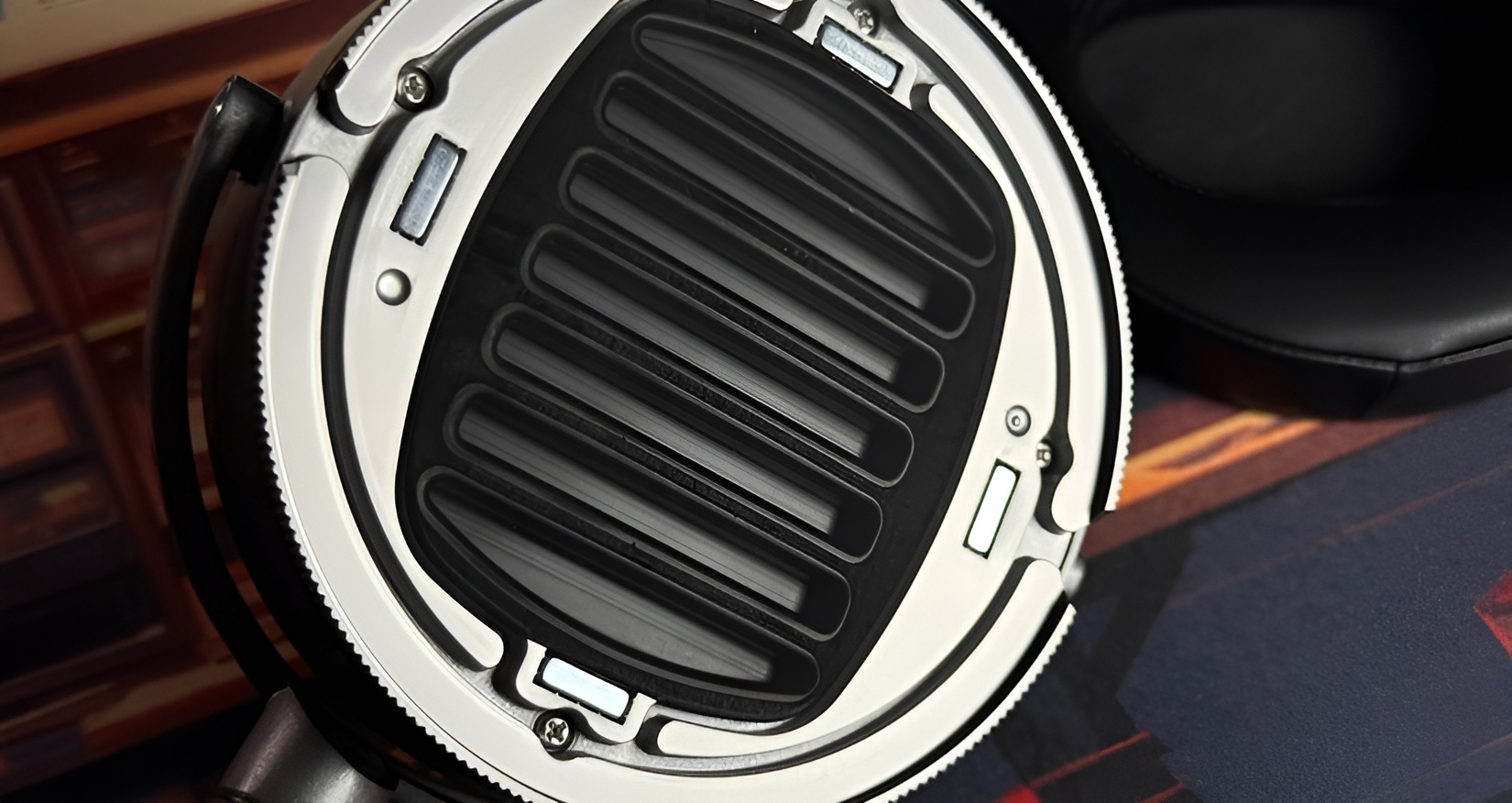
Materials are chosen for durability first: metal where it matters, reinforced plastics where flexibility is needed, and a well-padded suspension strap that spreads weight evenly across the head. At 550 grams, these are not light headphones—but the weight distribution is excellent, allowing for long sessions without immediate fatigue.
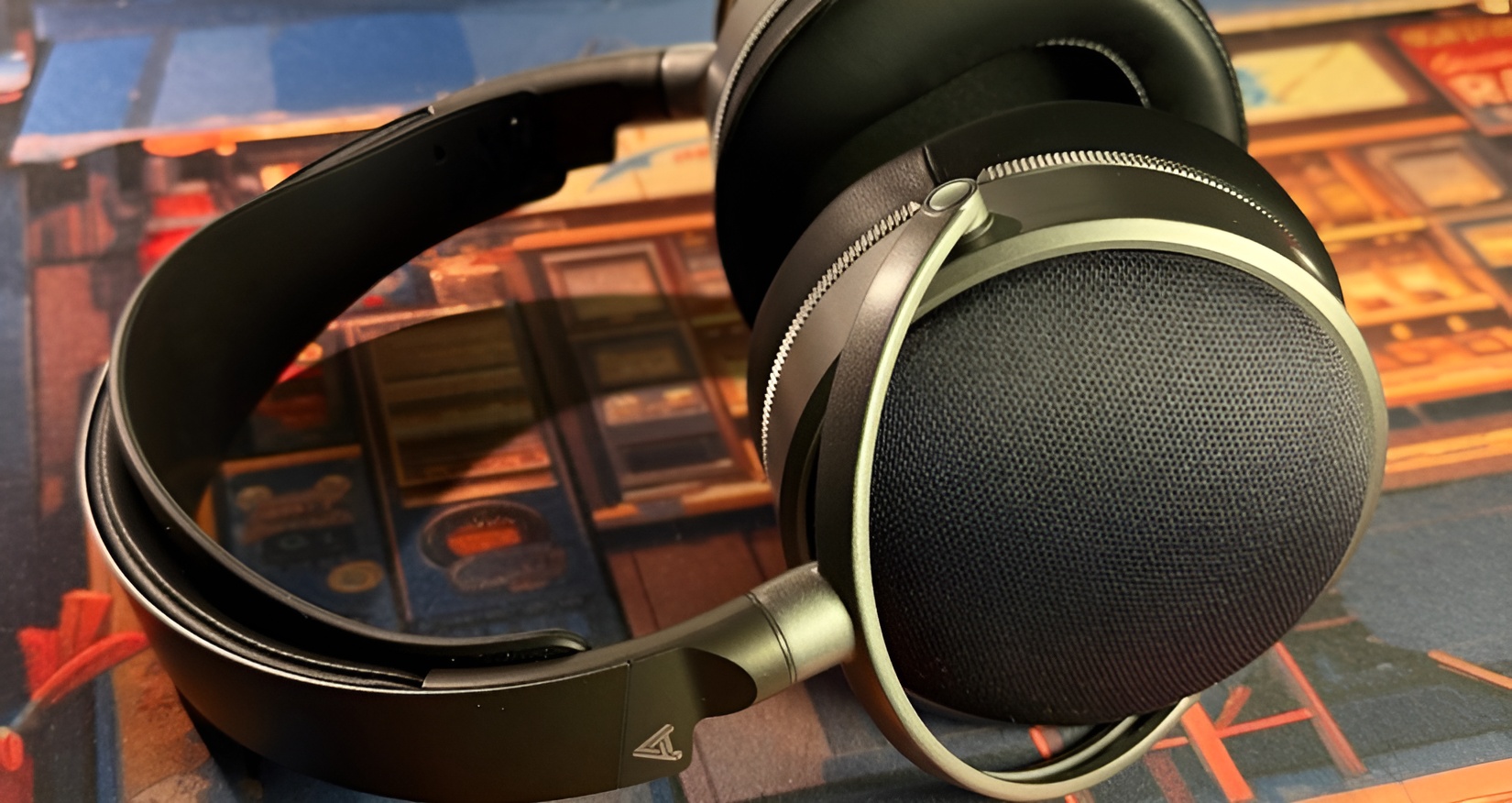
The ear pads deserve special mention. They use memory foam with a leather-like outer material that seals effectively without overheating or sticking. Comfort remains consistent over hours, not minutes.
Cable connection is possible on either ear cup—a small but important detail in professional environments—and the supplied cable is thick, flexible, and confidence-inspiring.
No luxury accessories, no theatrics. Everything here serves a function.
Sound
The first thing you notice when listening to the LCD-S20 is what isn’t there.
No pressure build-up.
No bloated low end.
No boxy midrange.
No “closed-back echo.”
Instead, bass is fast, textured, and remarkably controlled. It extends deep but never swells artificially, and—crucially—it stays readable under compression. Kick drums retain shape. Sub-bass remains differentiated rather than smeared.
This is where SLAM proves its value. By eliminating internal air tension, Audeze allows the planar driver to behave naturally, even in a sealed enclosure. The bass doesn’t need exaggeration to feel powerful—it’s powerful because it’s clean.
The soundstage is wider than expected, too. Not open-back wide, but convincingly externalized. Instruments sit in space rather than clumping around the ears, making spatial decisions far easier than on traditional closed designs.
Midrange and High Frequencies
The midrange is tuned with professional intent. Vocals and mid-band instruments are slightly set back, not to sound distant, but to avoid false emphasis. This encourages mixes where vocals naturally step forward in the final result, rather than being pushed too hard during production.
Detail retrieval here is exceptional. You hear compression artifacts, EQ interactions, and masking effects immediately—without the sound becoming fatiguing or clinical.
The treble follows the same philosophy. It is controlled, even slightly restrained, but never dull. There’s no artificial sparkle, no hyped air band to impress on first listen. Instead, you get information—lots of it—delivered calmly and accurately.
Mixing, Mastering, and Real-World Use
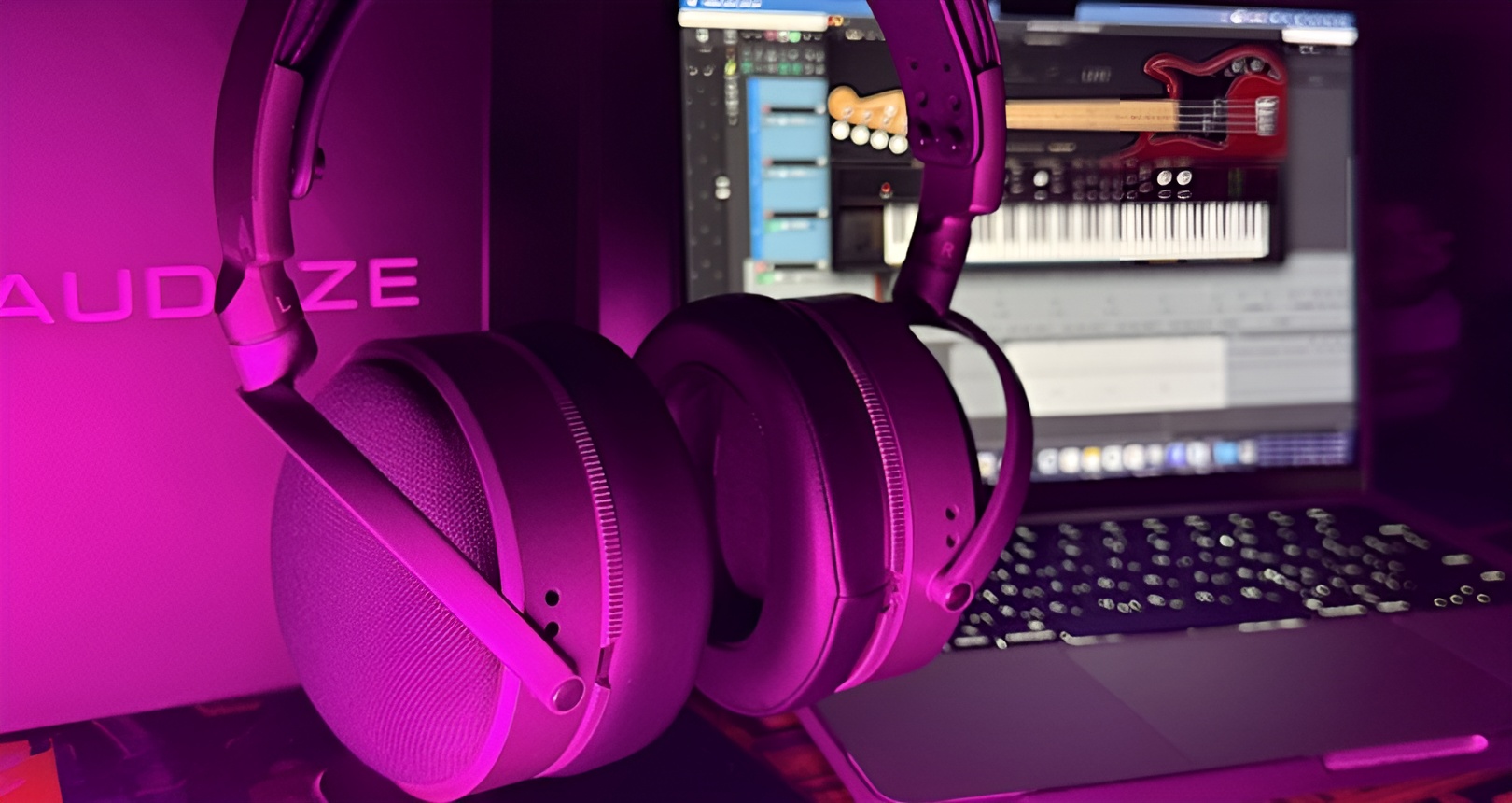
The LCD-S20 excels precisely where most closed headphones fail: full production workflows.
You can track with them.
You can mix with them.
You can master with them.
And you can do all three without changing headphones—or rooms.
Compared to dynamic closed-back staples like the Beyerdynamic DT 1770 series, the LCD-S20 plays in a different league. Those models are excellent for tracking and monitoring, but their tonal shaping makes final decisions risky. The Audeze, by contrast, remains honest under pressure.
Even against capable competitors like the Adam Audio H200, the planar advantage is obvious. Transient speed, tonal realism, and low-level detail all favor the LCD-S20—though the H200 remains a strong value alternative.
LCD-S20 vs MM-100
Internally, Audeze views the LCD-S20 and MM-100 as siblings—and it shows.
Sonically, they share a family resemblance. Functionally, they overlap almost completely. The difference is isolation.
If you don’t need closed-back operation, the MM-100 remains one of the smartest buys in modern planar audio. But if you want one headphone that can handle recording, isolation, critical mixing, and everyday listening without compromise, the LCD-S20 is the more complete tool.
Conclusion
The Audeze LCD-S20 is not just a strong closed-back headphone—it’s a redefinition of what closed-back planar headphones can be.
It simplifies critical work.
It removes room dependency.
It delivers reference-grade sound without reference-grade hassle.
Yes, it’s heavy. Yes, tastes differ. But in terms of engineering integrity, tonal maturity, and real-world usefulness, the LCD-S20 stands out as one of the most convincing professional-grade headphones Audeze has ever made.




Sound Off
0Join the discussion if you have something to add.