

Mission has added the third member to its compact 778 product line: the 778CDT CD transport. The first was the 778X integrated amplifier , the 778S network player was recently released , and with the addition of the 778CDT, the trio is now complete.
CD transport without DA converter
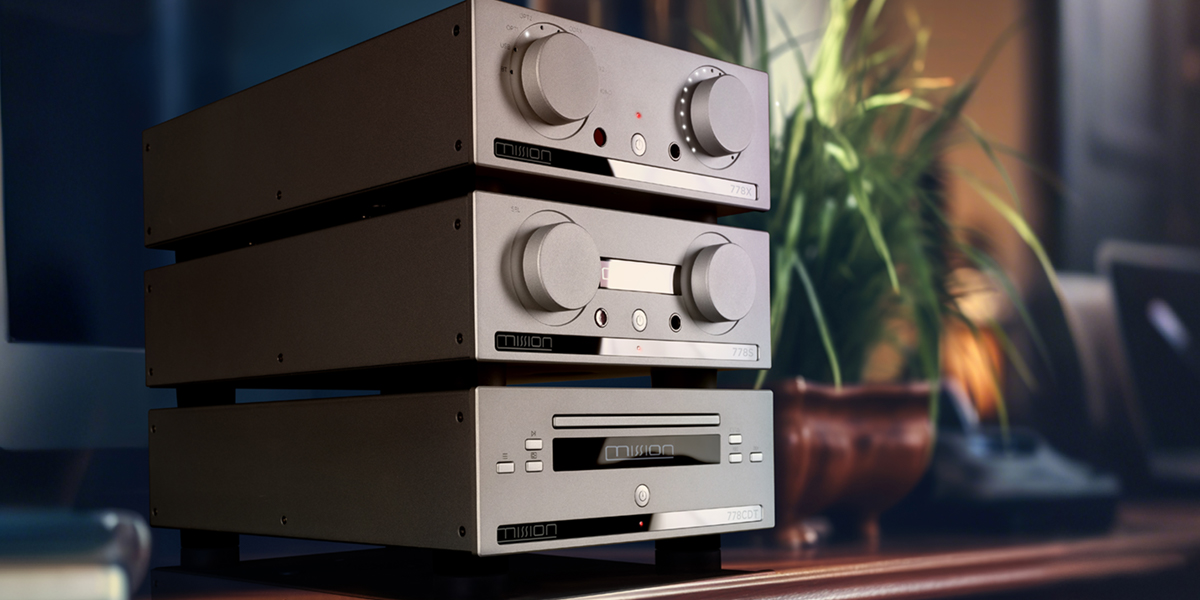
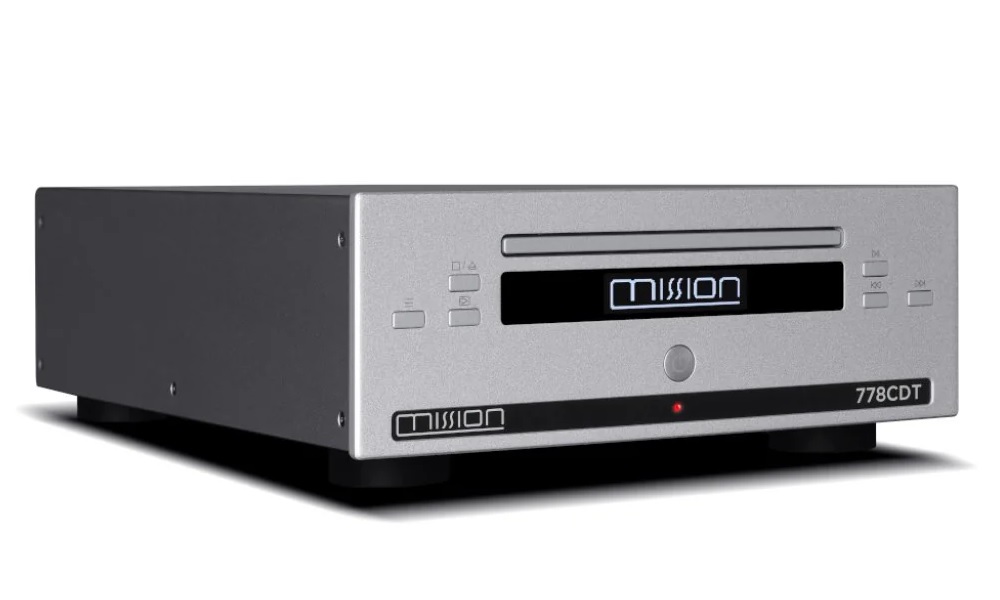
Mission had already unveiled the 778CDT at the High End Audio trade fair in Munich in May 2024. No details were available at that time. The Mission 778CDT is now ready for market launch.
It's a pure CD transport, meaning it has only digital outputs. This makes sense, as the 778X integrated amplifier already has a digital-to-analog converter onboard. By separating the CD transport and the digital-to-analog converter, Mission claims to reduce electrical noise and interference that can impact signal quality in integrated CD players.
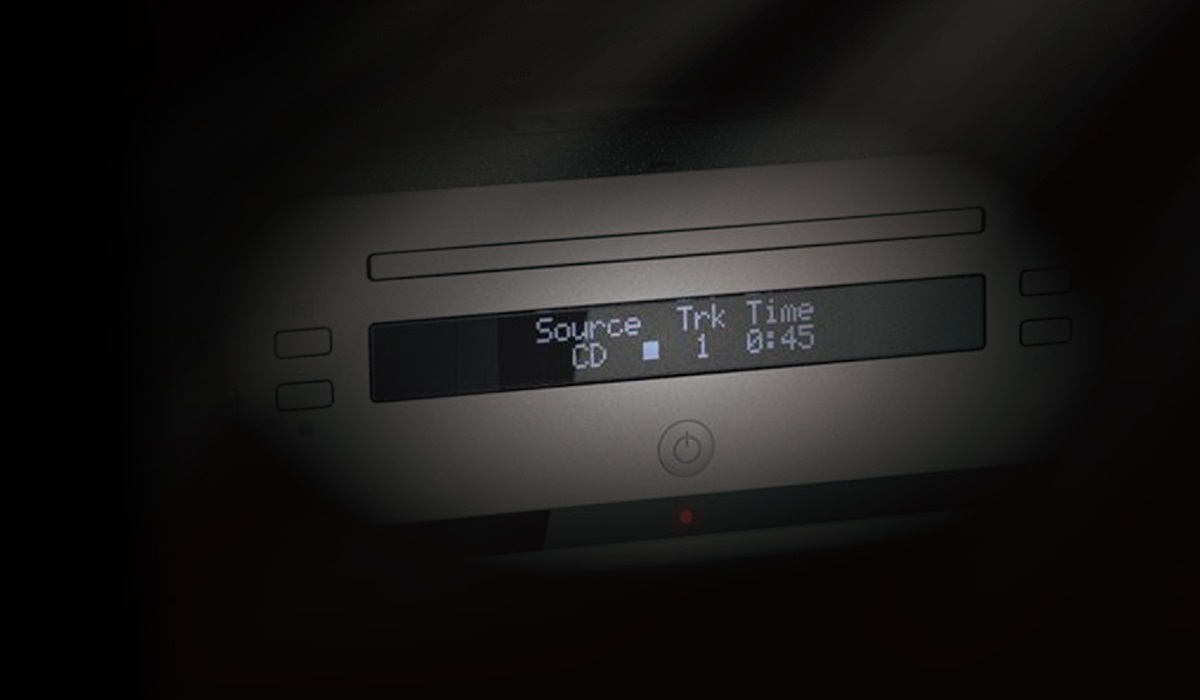
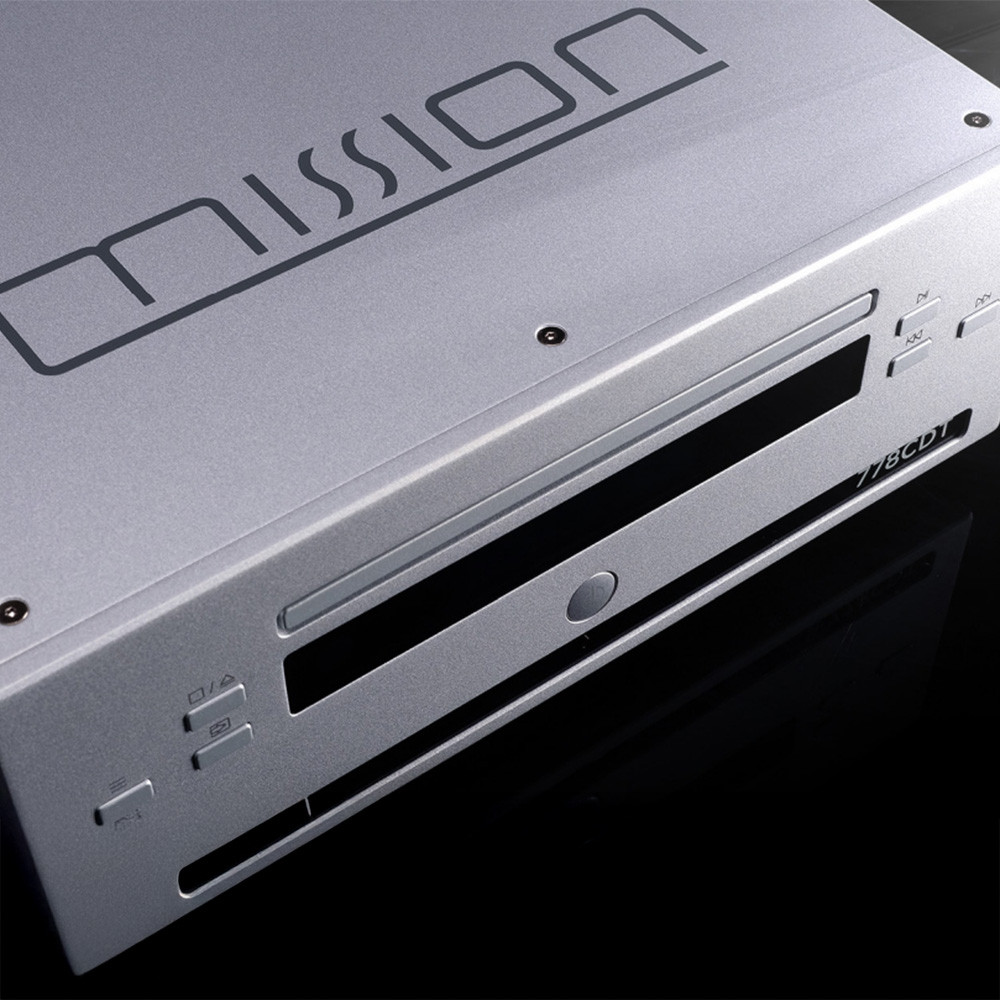
The device is visually identical to the rest of the series, using the same half-width chassis with dimensions of 236 x 96 x 357 millimeters (W x H x D). It features a symmetrical front panel and a dimmable OLED display, ensuring a consistent look across all Mission systems.
Read only CDs (so no SACDs)
The Mission 778CDT is fully dedicated to CD reading and digital signal output. Its aluminum casing and internal architecture are designed to minimize vibration and external interference, with a shielded transport mechanism that protects signal integrity.
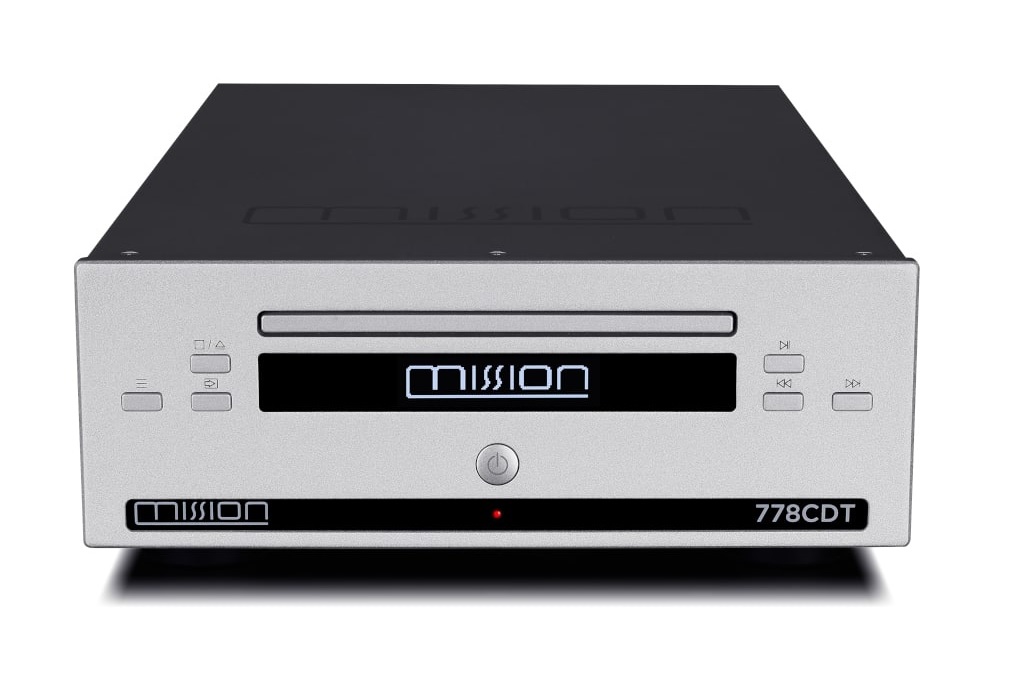
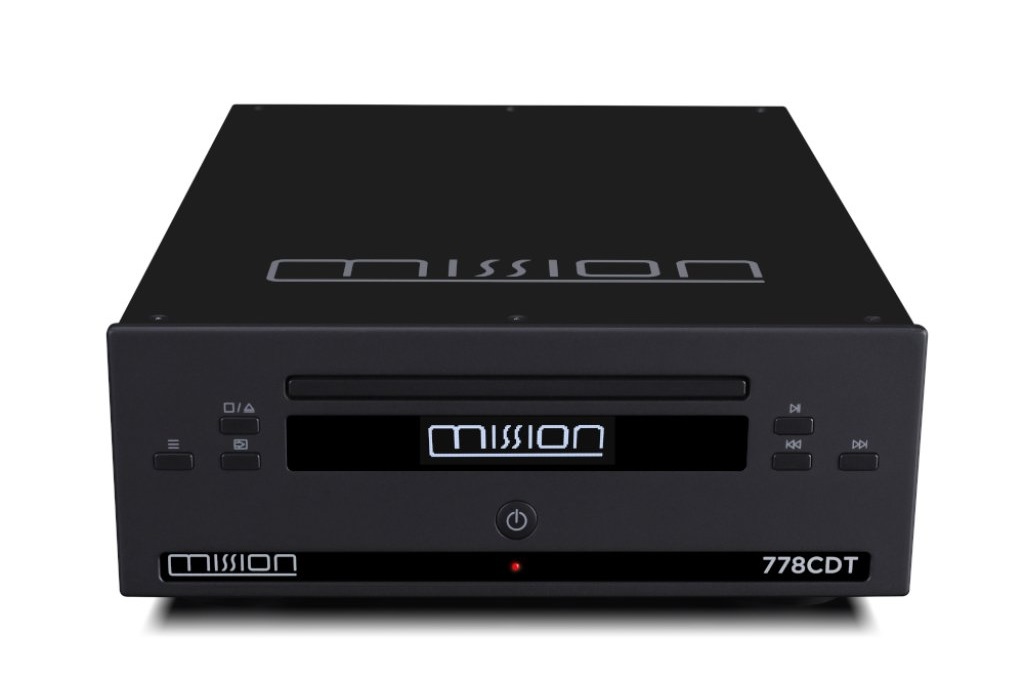
At the heart of the system is a high-precision CD drive combined with a specially developed servo control system. Mission states that this combination is designed to ensure stable disc rotation and accurate tracking, reducing read errors and jitter before the signal is sent via the digital outputs to an external digital to digital converter (DAC).
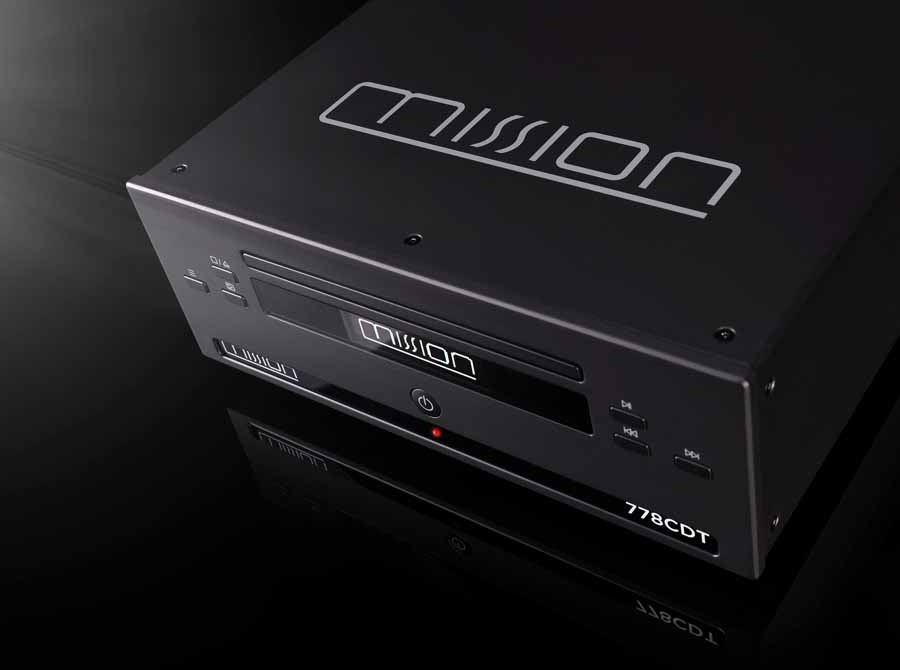
The disk mechanism in the Mission 778CDT is controlled by a dual-core processor, consisting of a 32-bit RISC processor and a dedicated microcontroller. This configuration manages servo control and error correction, aiming to deliver a stable and consistent digital data stream.
The digital output is provided via optical and coaxial connections, allowing the unit to be used with a wide range of DACs and amplifiers with a digital input from Mission or other manufacturers.
Power Supply and Clock Circuit
The power supply design is a key consideration in the Mission 778CDT. A low-noise toroidal transformer is used, with separate power supplies for the motor and laser servo circuits and the digital decoding module. According to Mission, this separation helps prevent noise from the mechanical systems from affecting the audio data.
Timing accuracy is ensured by a temperature-compensated crystal oscillator (TCXO), which serves as the master clock for the servo and decoder. This clock is fed by its own independent linear voltage regulator and grounding scheme, designed to reduce current-related jitter in the S/PDIF output.
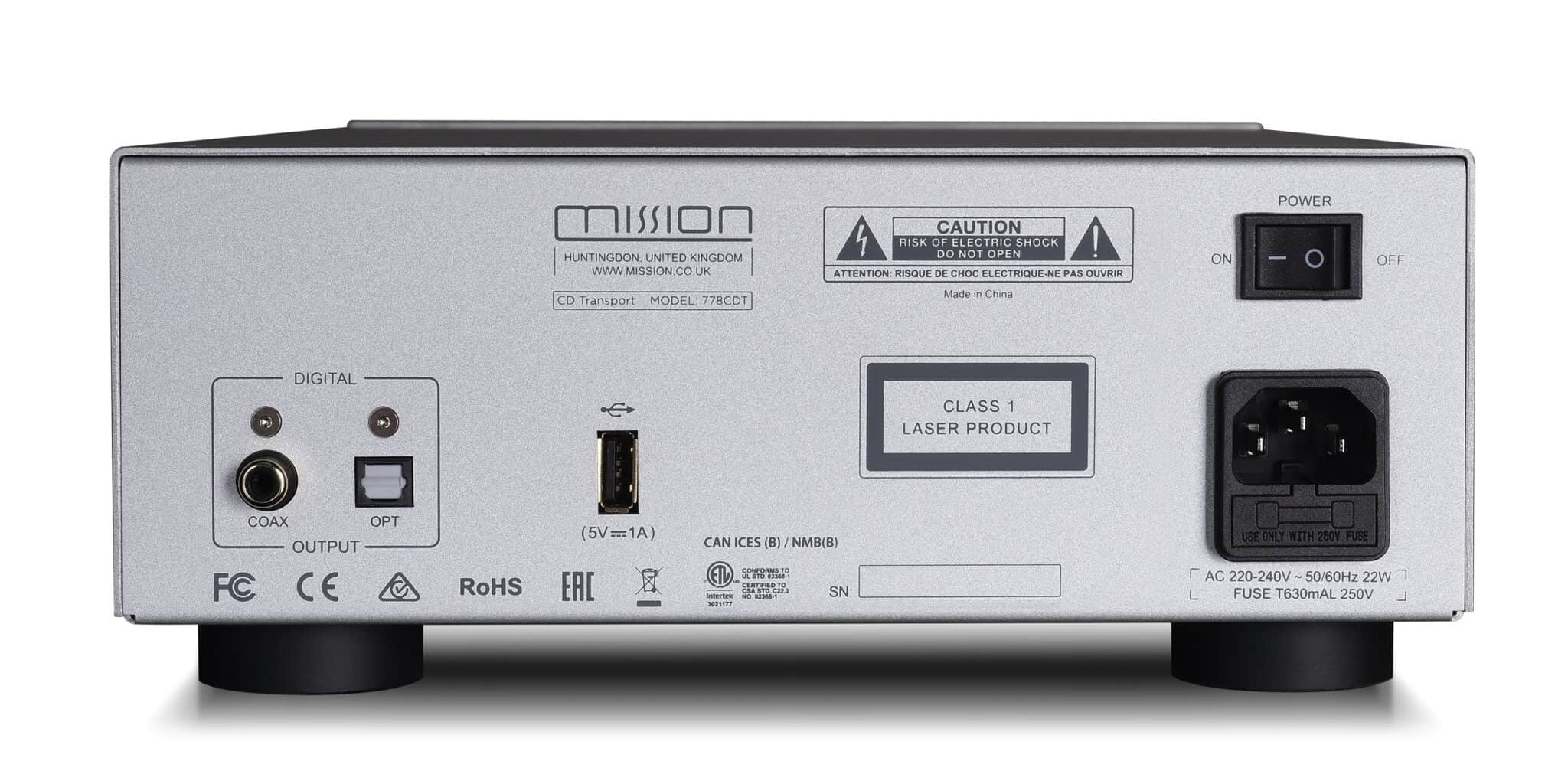
In addition to standard pressed Red Book audio CDs, the Mission 778CDT also supports reading CD-Rs, CD-RWs, and data CDs containing music files. A rear USB-A port allows playback from USB storage devices, extending its use beyond simply reading optical discs.
Supported file formats include FLAC, WAV, WMA, AAC, MP3, and APE. Files played via USB are processed using the same internal clock and low-noise architecture as CD playback, with a separate power supply for the USB input.




Sound Off
0Join the discussion if you have something to add.