
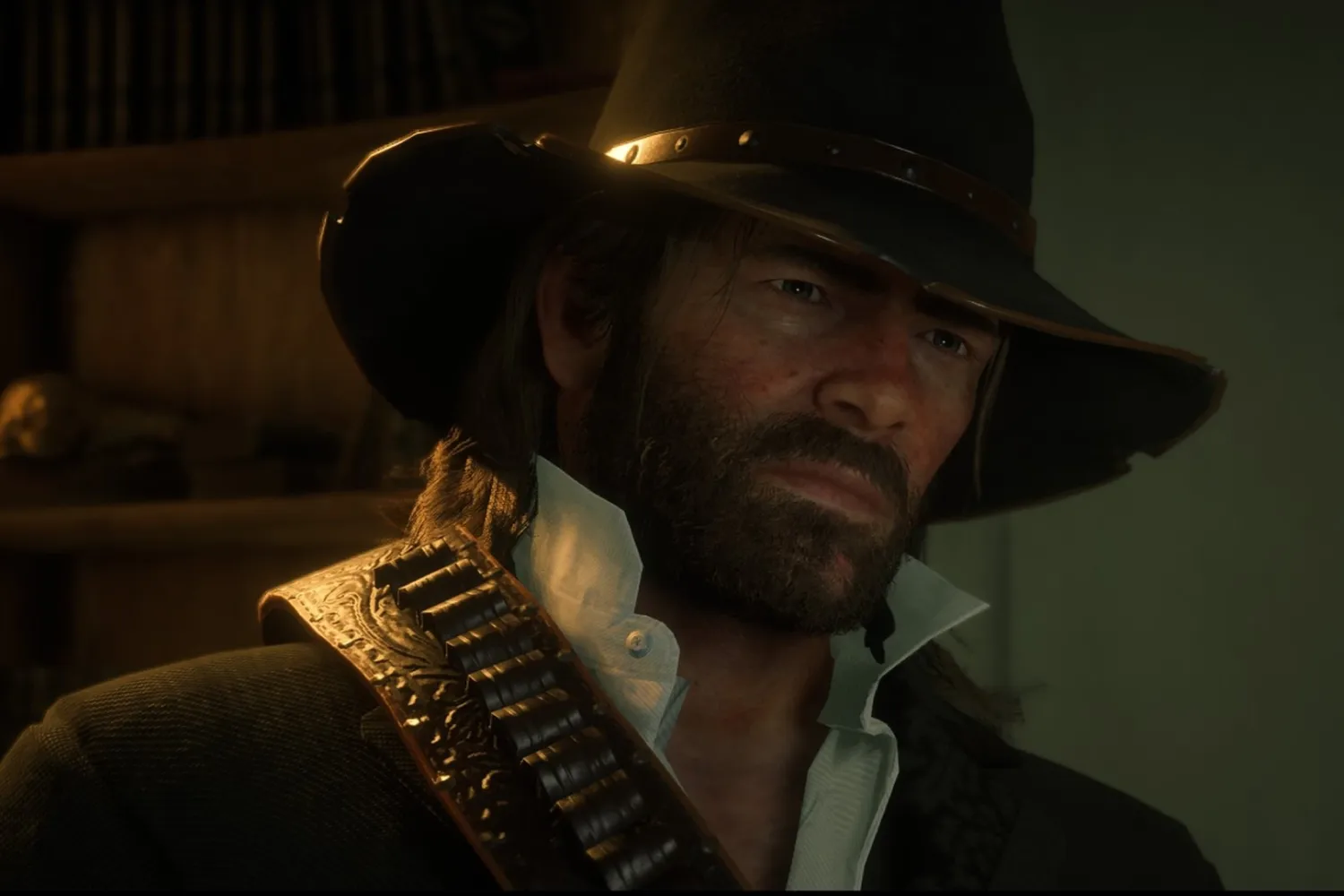
Red Dead Redemption 2 could have followed a very different storytelling model. Rockstar North head Rob Nelson has recalled that the team considered adding multiple playable characters to the western, partly because Grand Theft Auto V had made character-switching a popular and prominent part of Rockstar’s design language.
GTA V’s Structure Loomed Over Red Dead Redemption 2
Grand Theft Auto V introduced three connected but distinct playable leads, giving players the ability to move between different perspectives within the same larger crime story. According to Nelson, that success prompted internal discussion at Rockstar when the studio moved on to Red Dead Redemption 2.
Rockstar Considered Switchable Gang Members
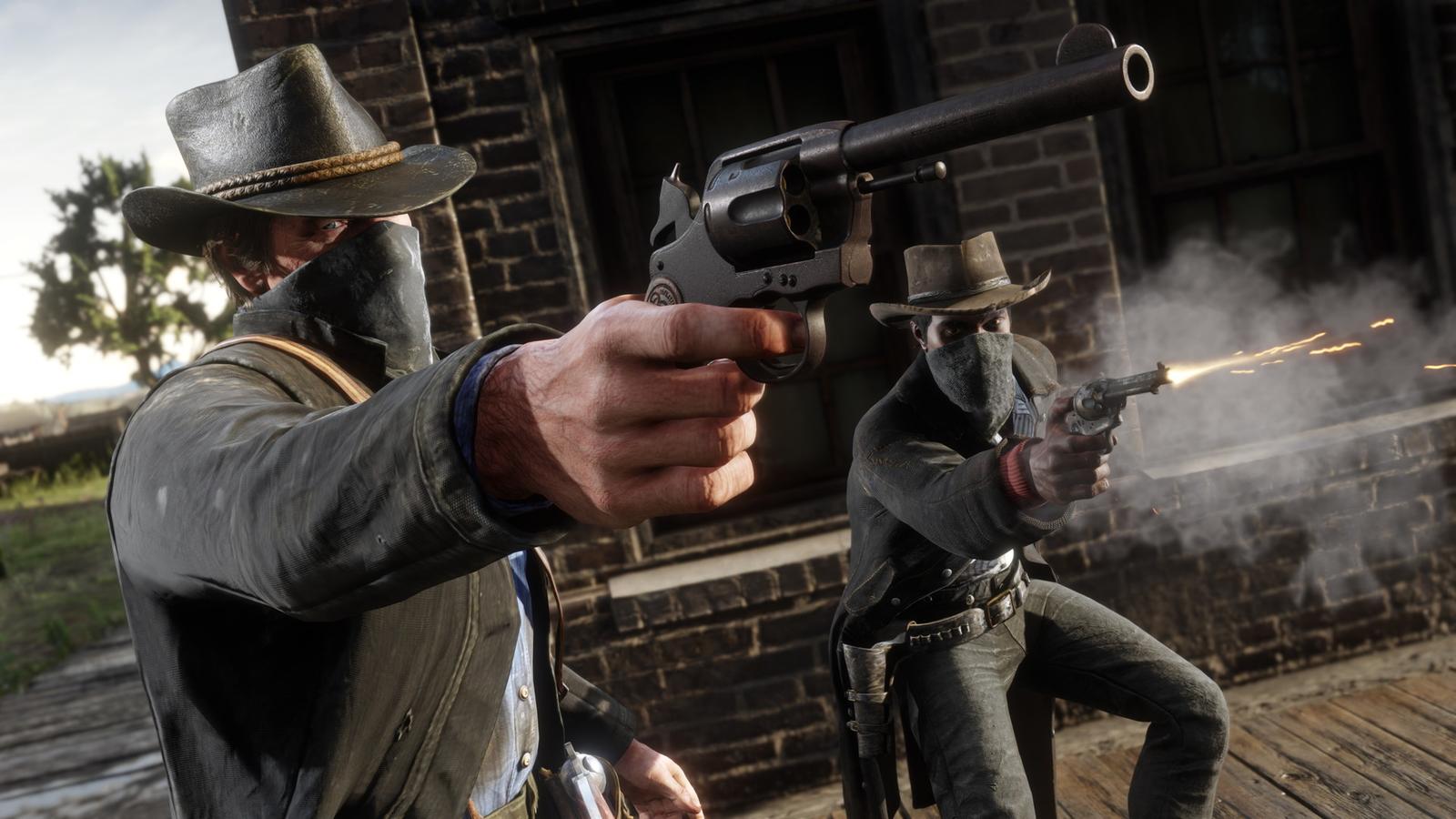
Nelson said the team asked itself whether players might expect another multi-protagonist structure after GTA V. One idea under consideration was the possibility of switching between members of the gang rather than staying with a single lead throughout the story.
The concern was not simply mechanical. Rockstar was weighing whether a game centered on one character could feel less dynamic after GTA V’s interwoven trio. Red Dead Redemption 2 ultimately took the opposite path, focusing tightly on Arthur and using the gang around him as the social and dramatic framework rather than as a pool of alternate playable leads.
Arthur’s Story Became the Centerpiece
In hindsight, Nelson described the question as interesting but almost funny, because Arthur’s role ended up working strongly for the game. By narrowing the playable perspective, Rockstar was able to explore one protagonist’s journey in greater depth instead of dividing the emotional arc across several leads.
That decision also gave the studio room to connect Arthur’s development to player behavior. Nelson pointed to the honor system as part of that structure, with the game tying the protagonist’s personal path to the choices players made along the way. Rather than using multiple viewpoints to create variety, Red Dead Redemption 2 leaned on consequence, character development and the slow evolution of its central figure.
A Single-Protagonist Game With a Lasting Impact
Nelson said Red Dead Redemption 2 left a major impression on the development team. The final structure suggests that Rockstar decided a single lead could sustain a large open-world narrative if the surrounding cast, mission design and player-driven moral feedback were strong enough to support that focus.
The result was a notable contrast within Rockstar’s modern catalog. GTA V used character switching as one of its defining narrative tools, while Red Dead Redemption 2 concentrated on immersion through a more personal viewpoint. Both approaches gave the studio different ways to handle scale: one through multiple protagonists, the other through a deeper attachment to one character.
Rockstar’s Next Major Release Is GTA VI
Rockstar is now preparing for Grand Theft Auto VI, which is scheduled for release on November 19 for PlayStation 5 and Xbox Series X|S. The company has not announced an official PC release window.
The renewed discussion around Red Dead Redemption 2’s development highlights how much Rockstar’s past design decisions can shape expectations for its future games. After GTA V, even the idea of returning to a single protagonist prompted internal questions. With GTA VI on the horizon, players will again be watching closely to see how Rockstar balances character perspective, open-world scale and narrative ambition.
Red Dead Redemption 2 ultimately became a game defined by Arthur’s singular journey rather than a rotating cast of playable outlaws. Rockstar’s early doubts show how seriously the studio considered the legacy of GTA V, but the final choice helped give its western a distinct narrative identity.