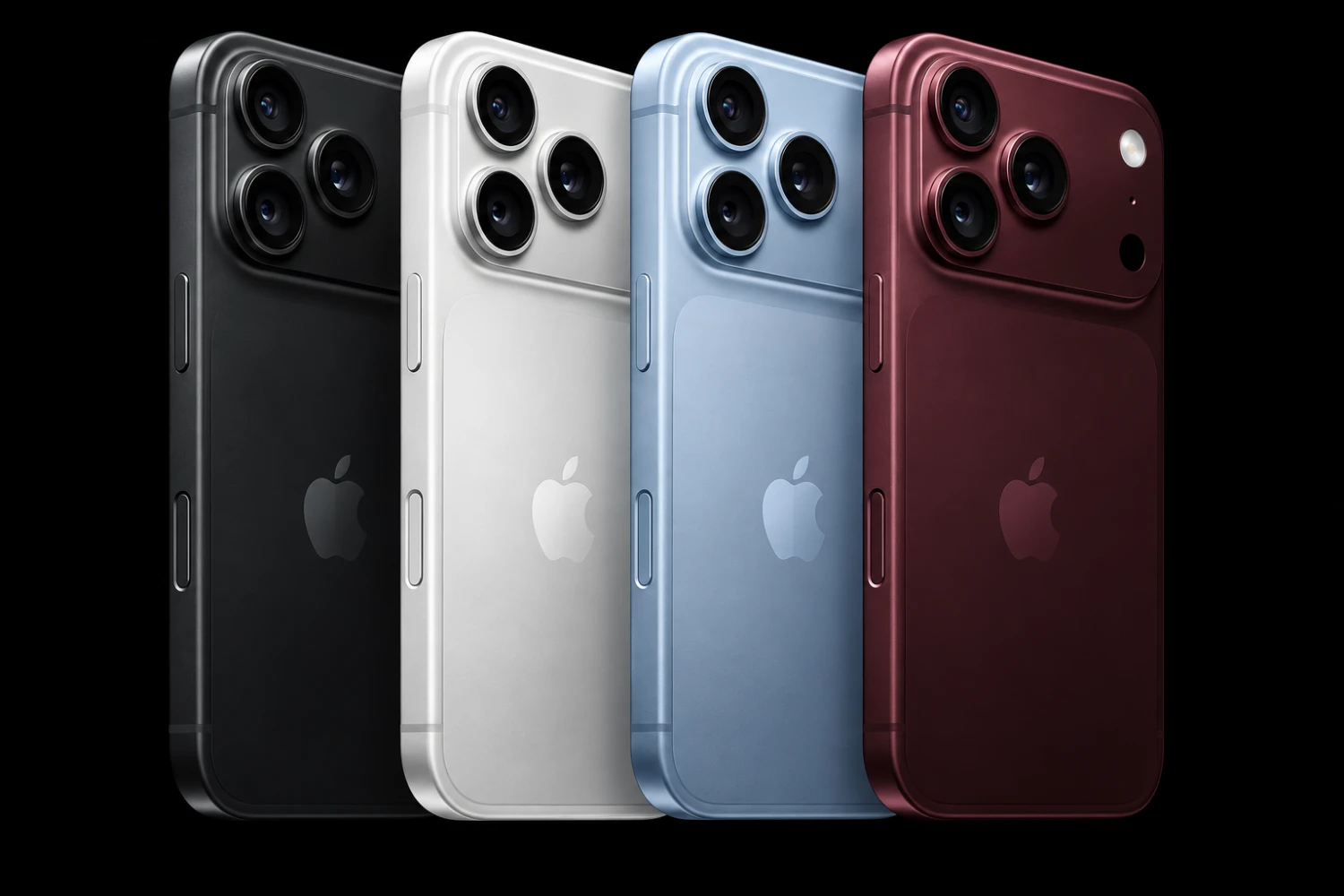
Apple is reportedly taking a more cautious approach to production of the iPhone 18 Pro and iPhone 18 Pro Max, with supply-chain orders being reduced in response to weaker-than-expected consumer demand. The company has not publicly confirmed the reported changes.
Component orders reportedly reduced
Apple is said to be cutting orders for components used in its flagship smartphones, a move that would also reduce the number of finished devices produced. Multiple people familiar with the company’s supply chain reportedly indicate that Apple has managed orders conservatively since the beginning of September.
Orders for October were reportedly lowered by approximately 15% compared with the original plan. Apple is now said to be preparing another reduction, although the scale and timing of any additional adjustment have not been disclosed.
Component orders do not always correspond directly to retail sales. Manufacturers can change procurement plans for several reasons, including existing inventory and revised production schedules. In this case, however, the reported cuts are being linked specifically to lower demand for Apple’s latest Pro models.
Higher prices may be affecting demand
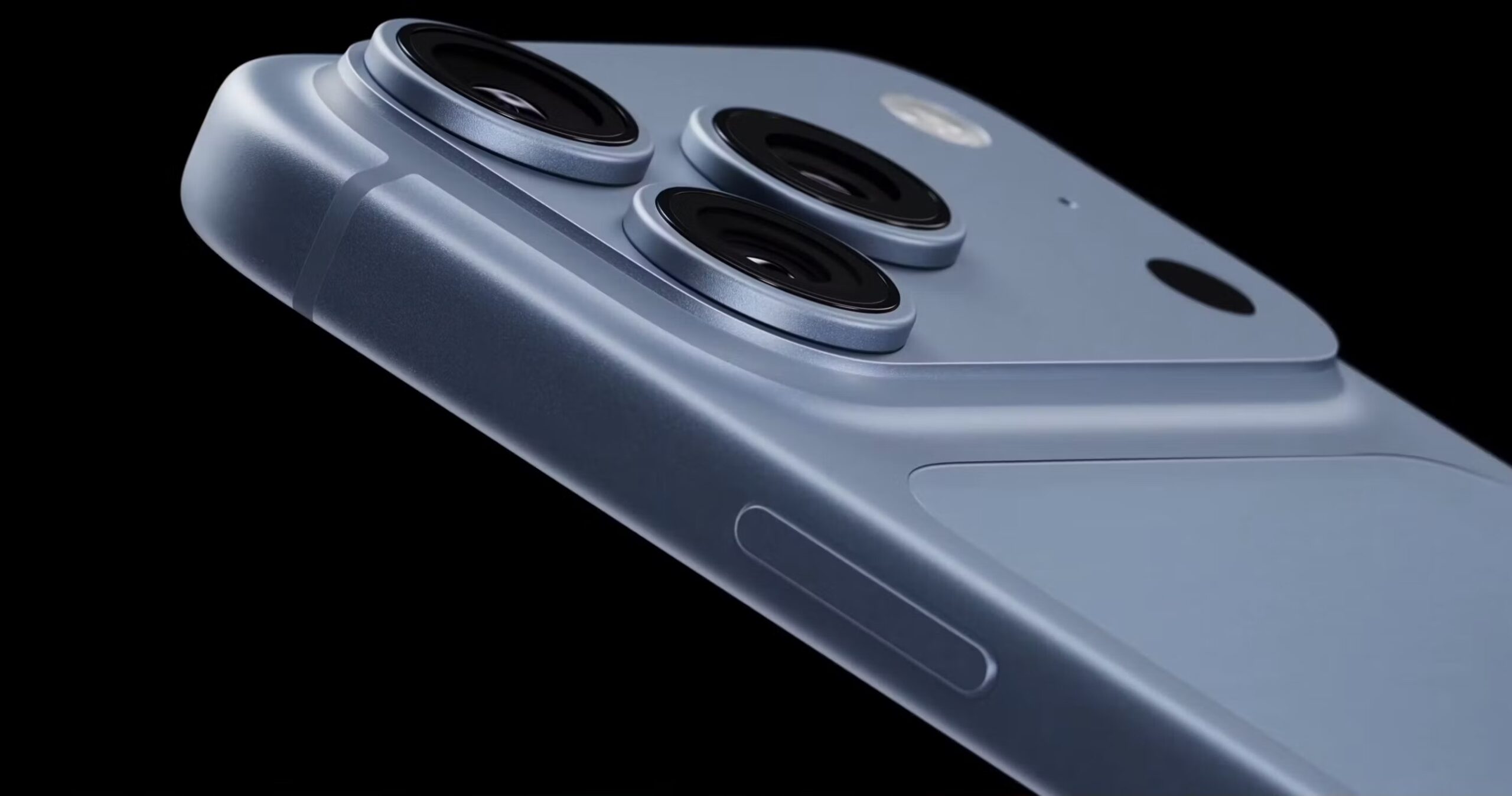
The iPhone 18 Pro and iPhone 18 Pro Max each received a $100 price increase compared with the previous generation, according to the supplied information. While that change may appear modest relative to the overall cost of a flagship smartphone, it adds to products that were already positioned at the premium end of the market.
Analysts had previously warned that rising prices could weaken demand, especially as consumers become more selective about upgrades. The increasing cost of memory chips is cited as one factor behind higher production expenses and, ultimately, more expensive finished devices.
Apple had maintained a balance between premium pricing and strong annual shipment growth for an extended period. The latest increase may have disrupted that balance, particularly among potential buyers who do not view the new generation as offering enough change to justify paying more.
Upgrade appeal comes under pressure
The reported demand slowdown is not being attributed to price alone. The iPhone 18 Pro generation is also described as insufficiently different from its predecessor to make the additional cost compelling for some shoppers. No specific hardware or software comparisons were provided, but the broader concern is that buyers may see limited reason to replace a recent iPhone.
That combination presents a familiar challenge for mature smartphone lines. When an existing device remains suitable and the replacement becomes more expensive, customers can postpone an upgrade without leaving the platform. Such delays can affect near-term production even when the broader product ecosystem remains established.
The reported reductions concern Apple’s flagship models rather than indicating a confirmed change across the company’s entire smartphone portfolio. Without official shipment figures or a detailed breakdown from Apple, the extent of the demand shift remains uncertain.
Apple has not confirmed the production cuts
Apple has not commented on the reports, leaving the supply-chain information unverified by the company. It is therefore unclear whether the reduced orders represent a short-term inventory adjustment or a broader revision to production expectations for the iPhone 18 Pro lineup.
A future quarterly report may provide a clearer picture of Apple’s performance, although the company’s public financial disclosures may not reveal production volumes for individual iPhone models. Until official results are available, the reported 15% October order reduction and the possibility of another cut remain supply-chain claims rather than confirmed company guidance.
For now, the reports suggest that Apple is responding cautiously to softer demand for its most expensive iPhones. Higher prices and limited perceived differences from the previous generation appear to be central concerns, but Apple’s financial results will offer the next meaningful indication of how the iPhone 18 Pro lineup is performing.