
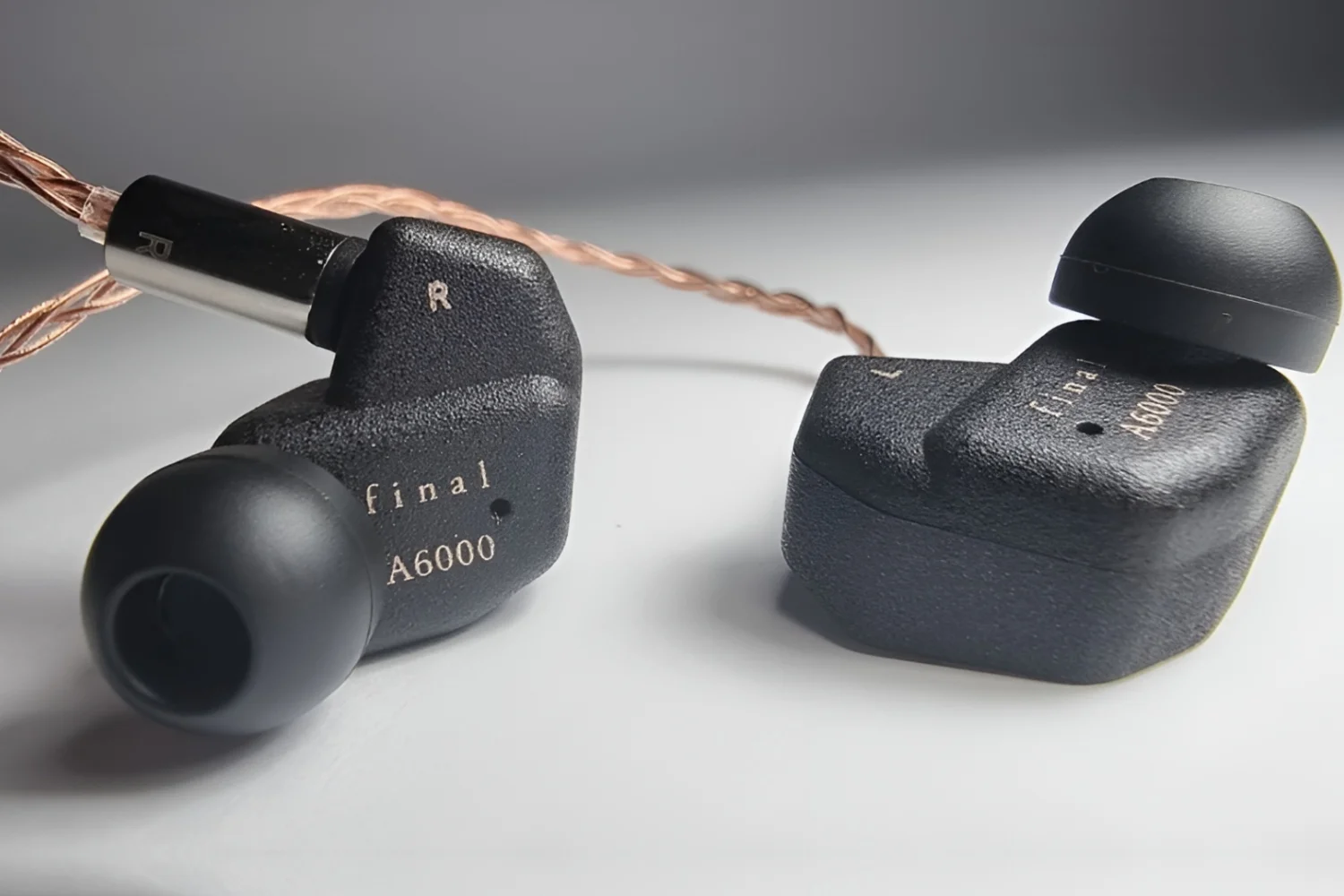
I’ve spent quite a bit of time with Final Audio over the years. From affordable full-size headphones to true wireless models, and all the way up to their premium “B” series (B1, B2), this is a brand that clearly enjoys doing things its own way.
The A6000 sits just below the summit. It’s a sub-flagship model, launched only a few months ago, and positioned as a more accessible alternative to the A8000 flagship—which uses an exotic 10 mm beryllium driver and costs roughly four times as much. Not everyone wants (or needs) to go that far, so Final Audio took much of the thinking behind the flagship and distilled it into something far more realistic for everyday audiophiles.
Built like a tool, tuned like an instrument
On the technical side, Final Audio didn’t cut corners:
-
Internal stainless steel frame for rigidity
-
Brass acoustic housing for improved stability
-
Ultra-thin 30-micron voice coil to reduce mass
-
Newly developed 6 mm f-Core DU dynamic driver, built from scratch
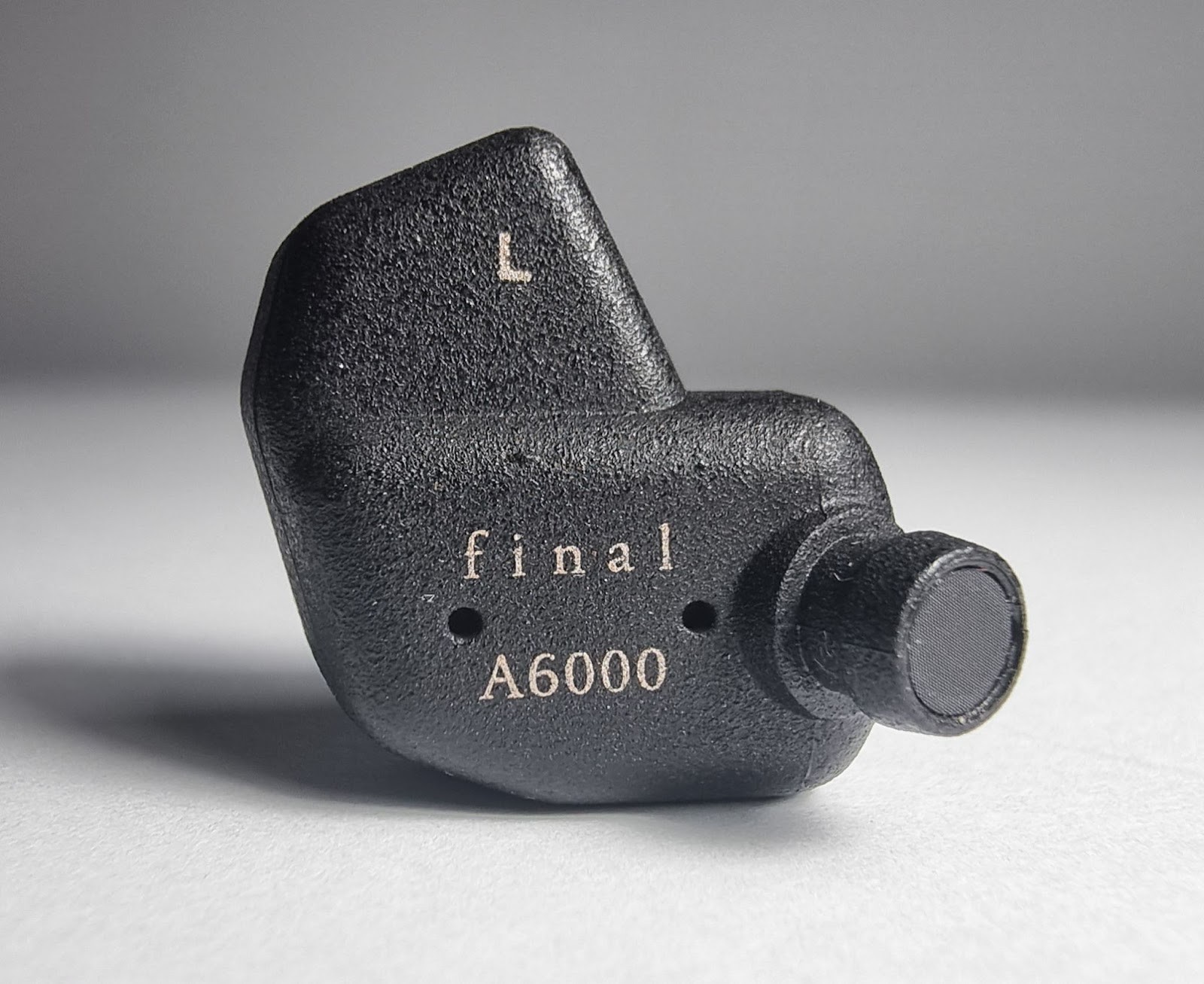
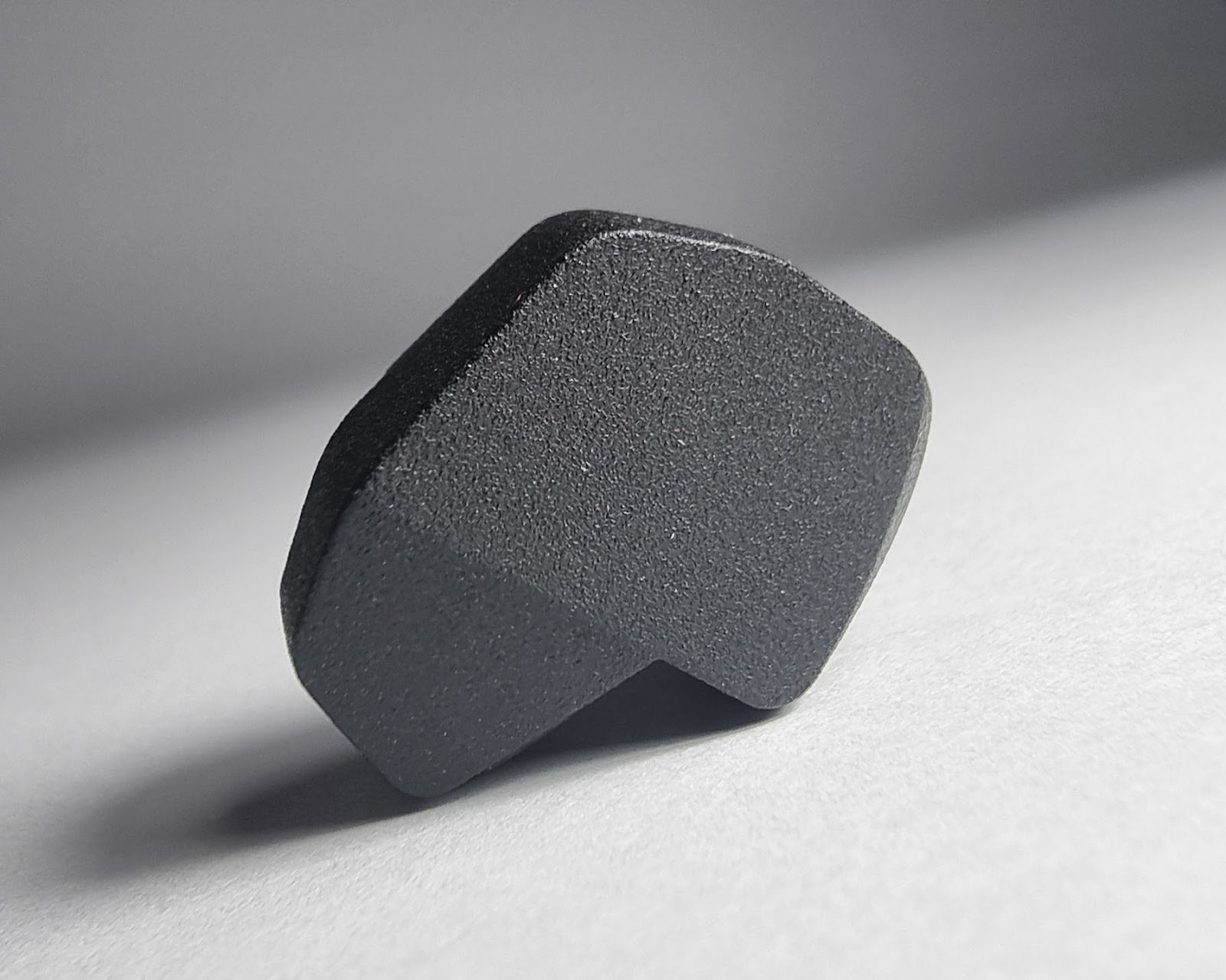
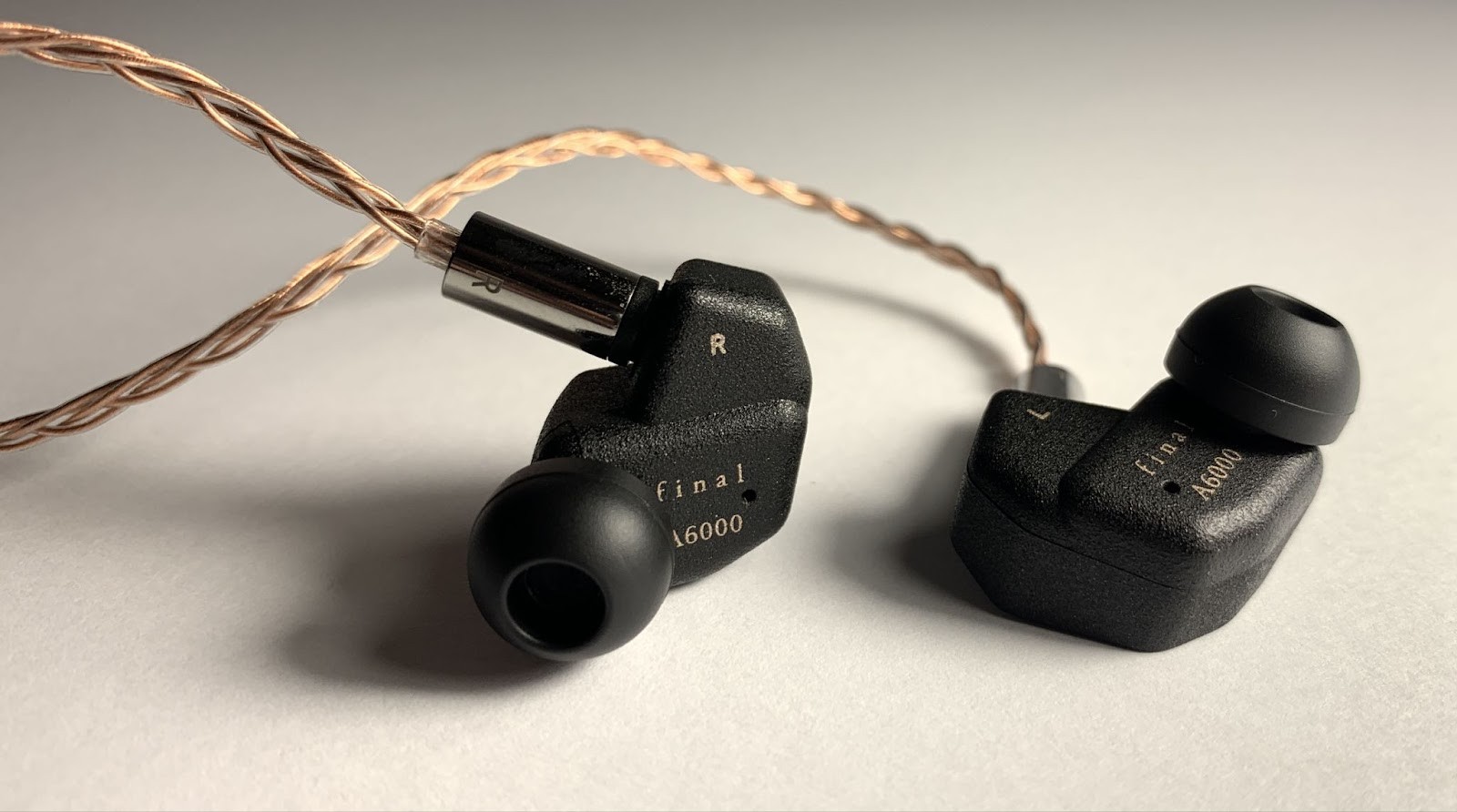
The outer shell is ABS plastic with a hardened steel coating. It’s not glossy, not flashy—but practical. The textured surface resists scratches and fingerprints, and feels reassuringly solid for something this small.
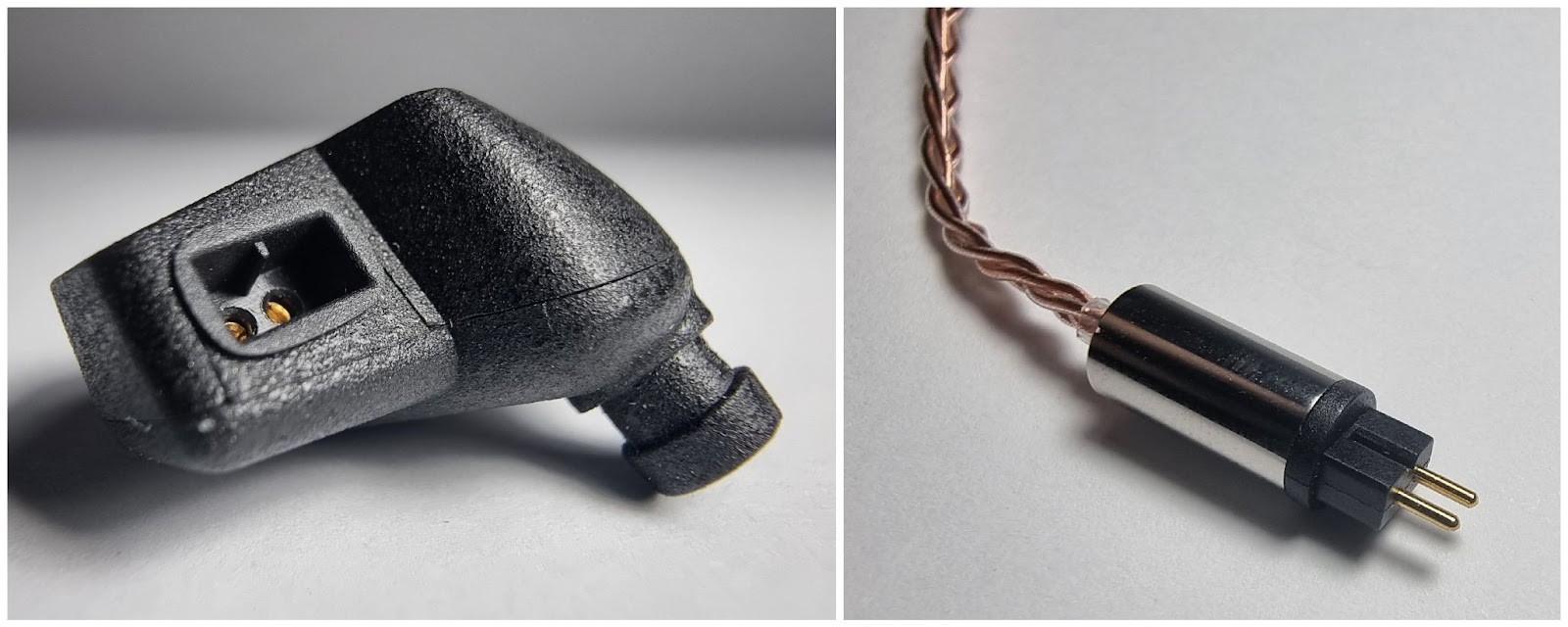
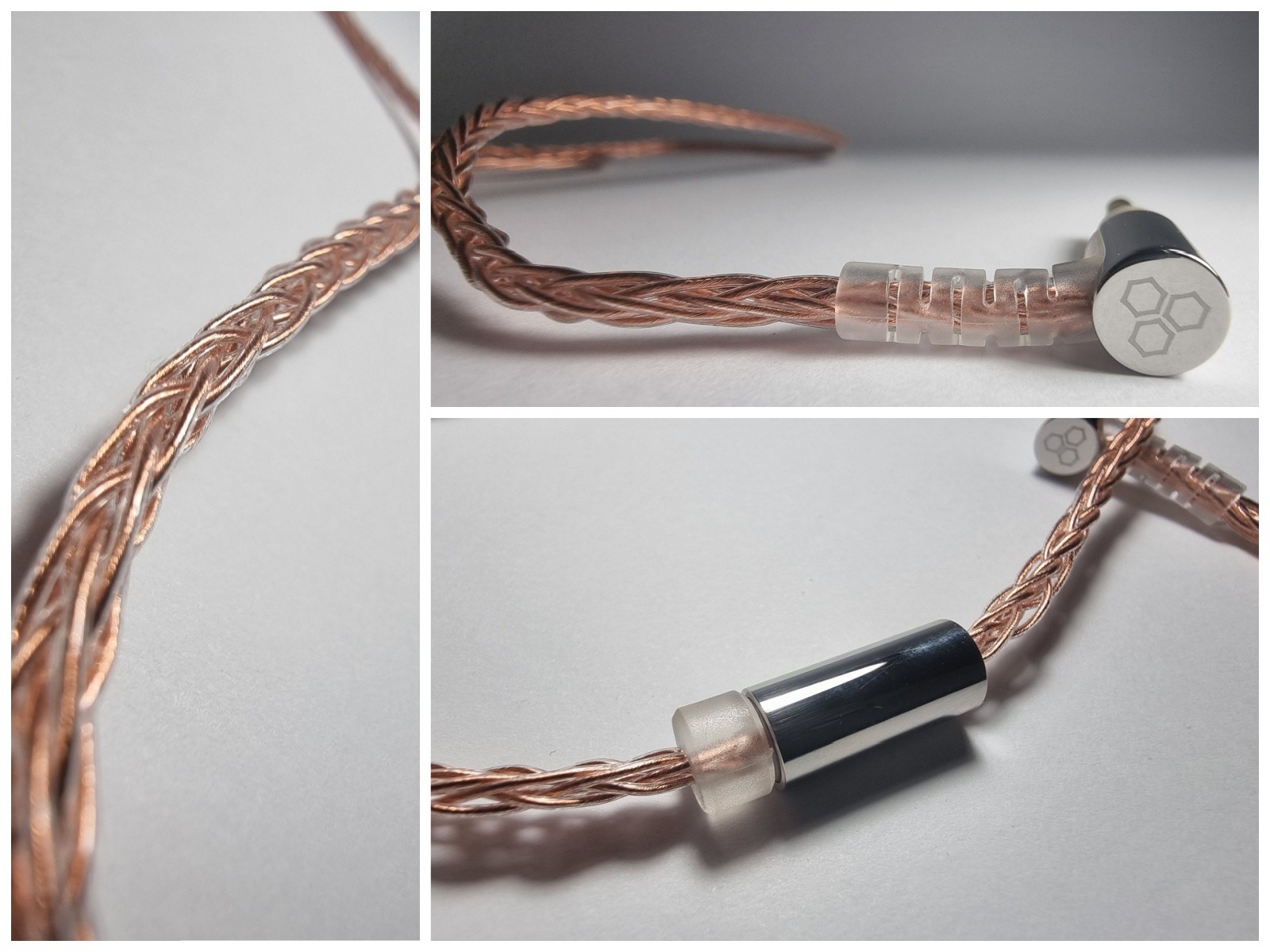
You also get a high-quality single-crystal copper cable, fully replaceable via 2-pin connectors, and five pairs of ear tips to dial in the fit properly. Everything here feels intentional, not decorative.
Unboxing
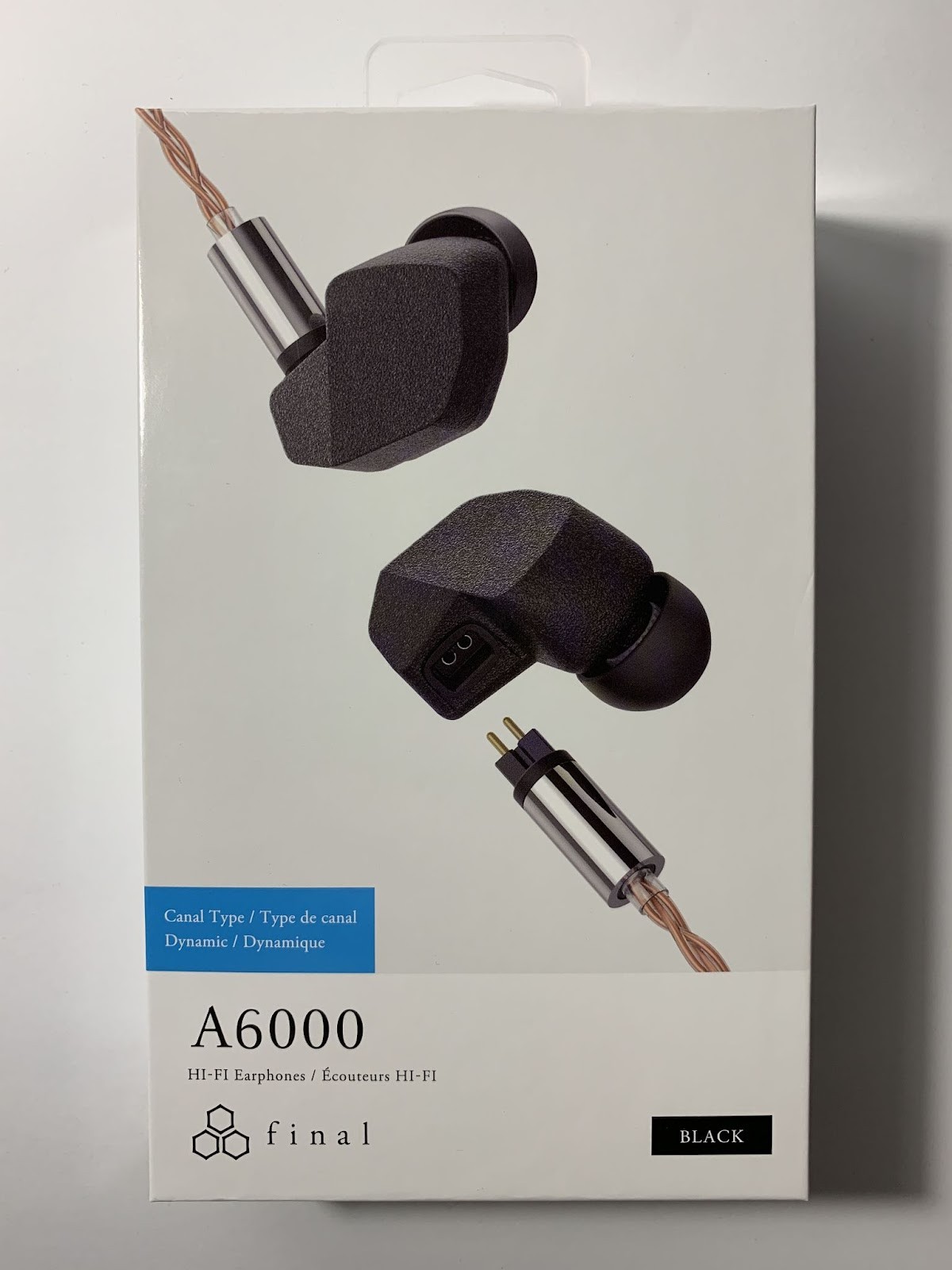
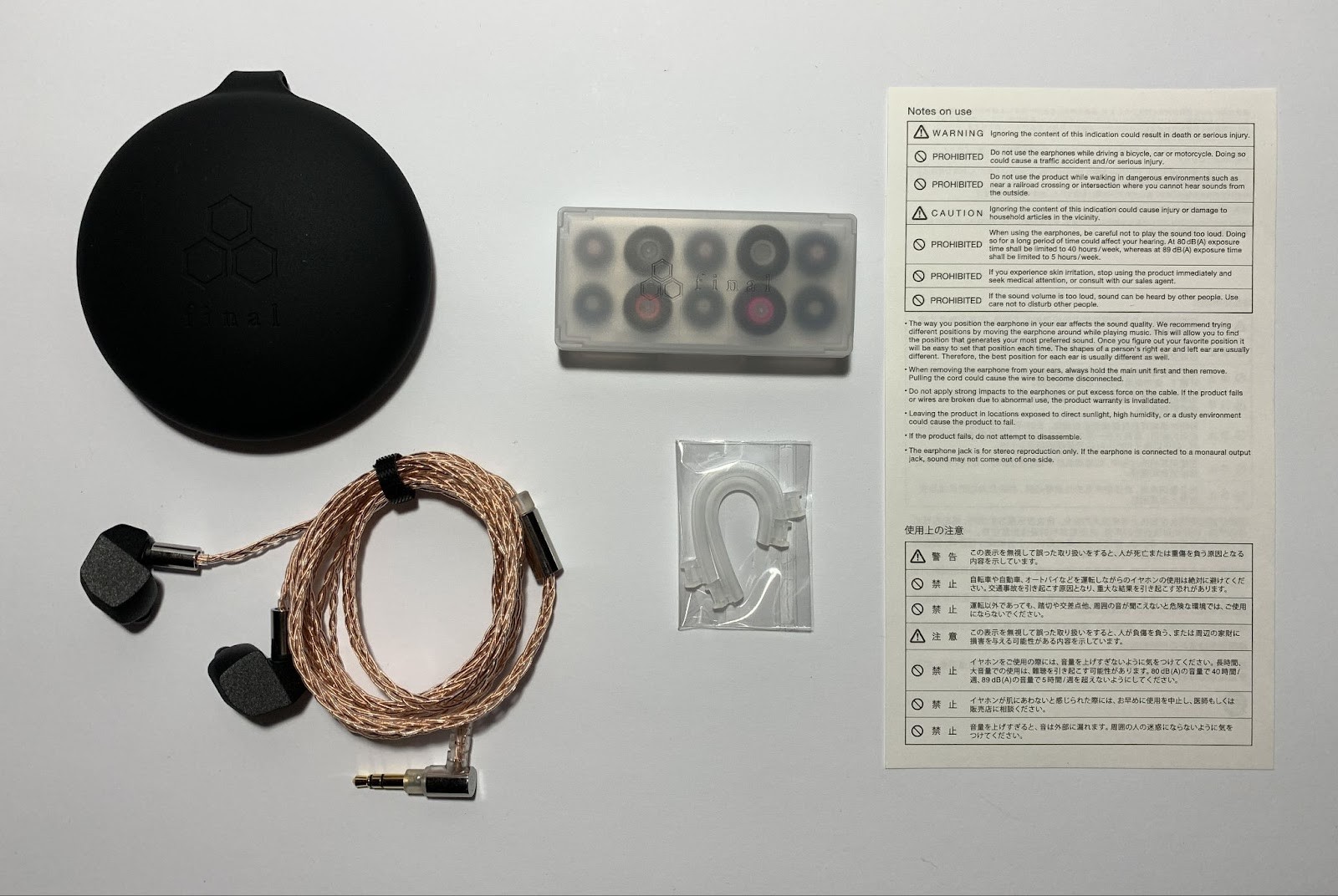
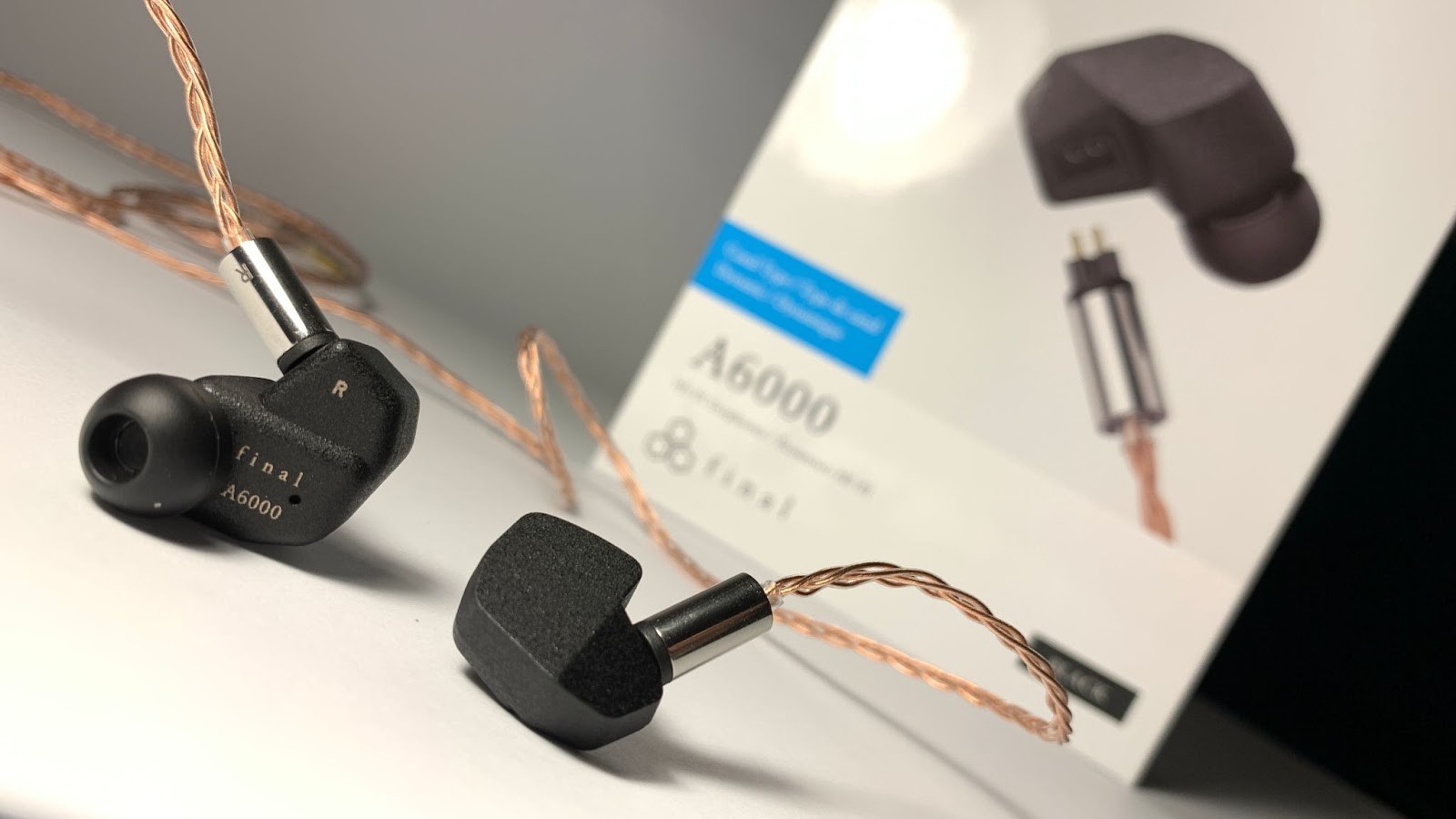
The A6000 arrives in a slim white box that’s understated and functional. No drama, no oversized packaging. Inside, everything is neatly organized:
-
The earphones and cable (separately packed)
-
Five sizes of ear tips (SS to LL)
-
Over-ear hooks (optional)
-
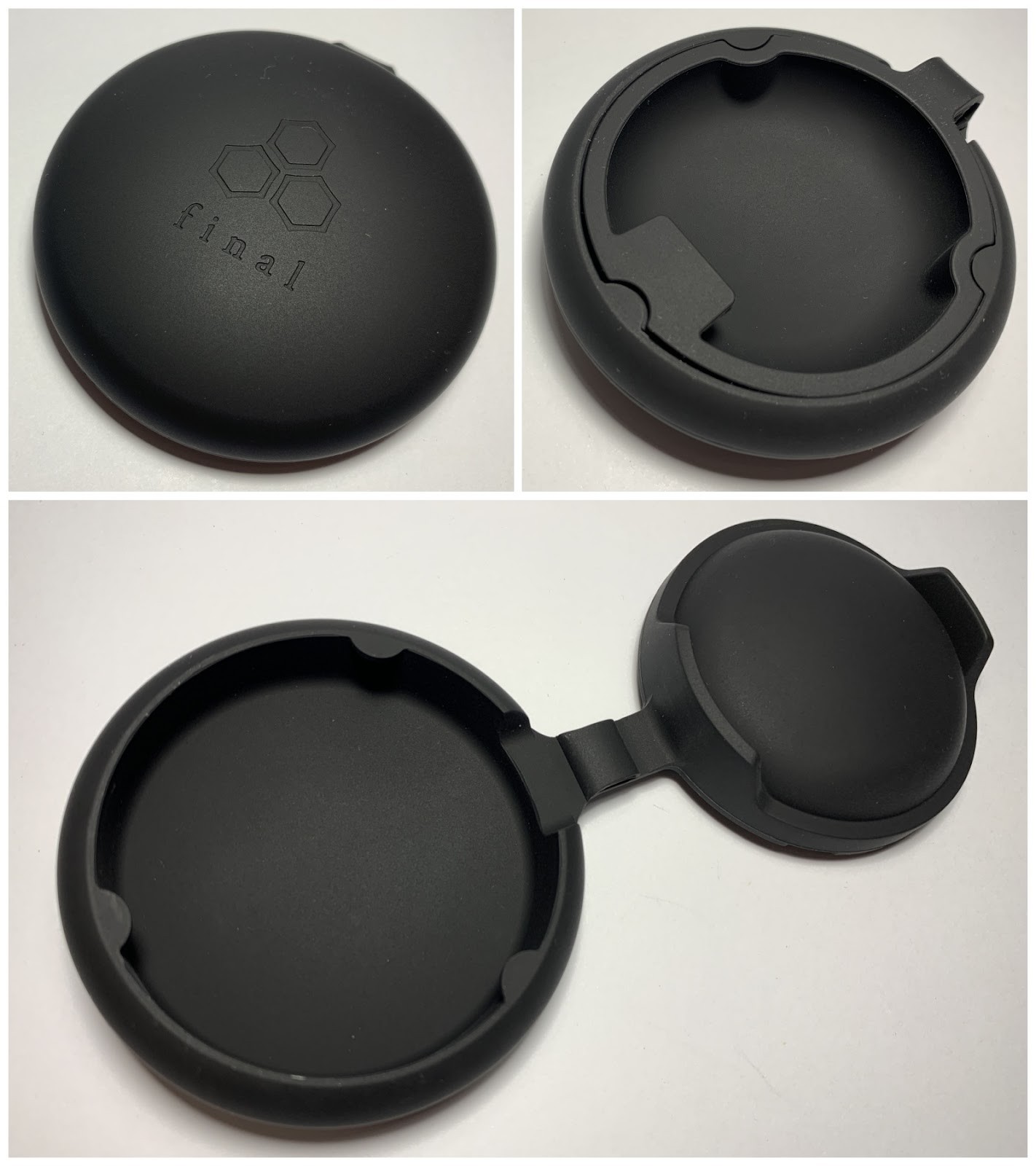
Silicone carrying case
-
Manual and warranty
A small but appreciated detail: the ear tips use colored inner sleeves, making left/right orientation easy. They’re also fitted very tightly—annoying if you like to swap tips often, but reassuring once you’ve found your size.
Design & comfort
The design is angular and almost crystalline, with flat surfaces and sharp lines. It’s not trying to be jewelry—it’s clearly about function first. Branding is subtle, placed on the inside of the shells, along with L/R markings and venting ports.
Comfort is where the A6000 really shines:
-
Just 3 grams per earpiece
-
Shallow but secure fit
-
Flat profile that doesn’t stick out of the ear
-
Soft ear tips with decent passive isolation
You can wear these for hours without fatigue, both physically and mechanically. The cable is soft, flexible, and free of microphonics, with solid metal connectors and splitter. It feels like something that will survive years of use.
Sound
Now for the interesting part.
The overall tuning of the A6000 is balanced, clean, and controlled, but with a deliberate emphasis on the treble. This isn’t a bass-head IEM, nor a warm, relaxed listen—it’s tuned to reveal detail and space.
Bass
The low end is restrained but capable. There’s real sub-bass depth when the track calls for it, with good texture and control. Mid-bass stays polite and never bleeds upward. If you’re tired of bloated bass, you’ll appreciate this. If you want slam and weight, you may want more.
Midrange
Smooth, clean, and mostly neutral. Lower mids are slightly recessed, which reduces warmth but improves clarity. Vocals and instruments are well separated and naturally positioned, without shout or harshness.
Treble
This is where the A6000 defines itself. High frequencies are clearly emphasized—bright, detailed, and airy. The upside is excellent imaging, a wide and holographic stage, and the ability to hear small nuances in recordings. The downside? On some tracks, especially poorly mastered ones, this tuning can become fatiguing. Sibilance can creep in if you’re sensitive to treble.
This is very much a “know your taste” headphone.
Genres & scaling
The A6000 is not universal.
-
Excellent: instrumental, acoustic, jazz, classical, electronic
-
Good: pop, ambient
-
Less ideal: rock, metal, anything that relies heavily on mid-bass punch and thick guitars
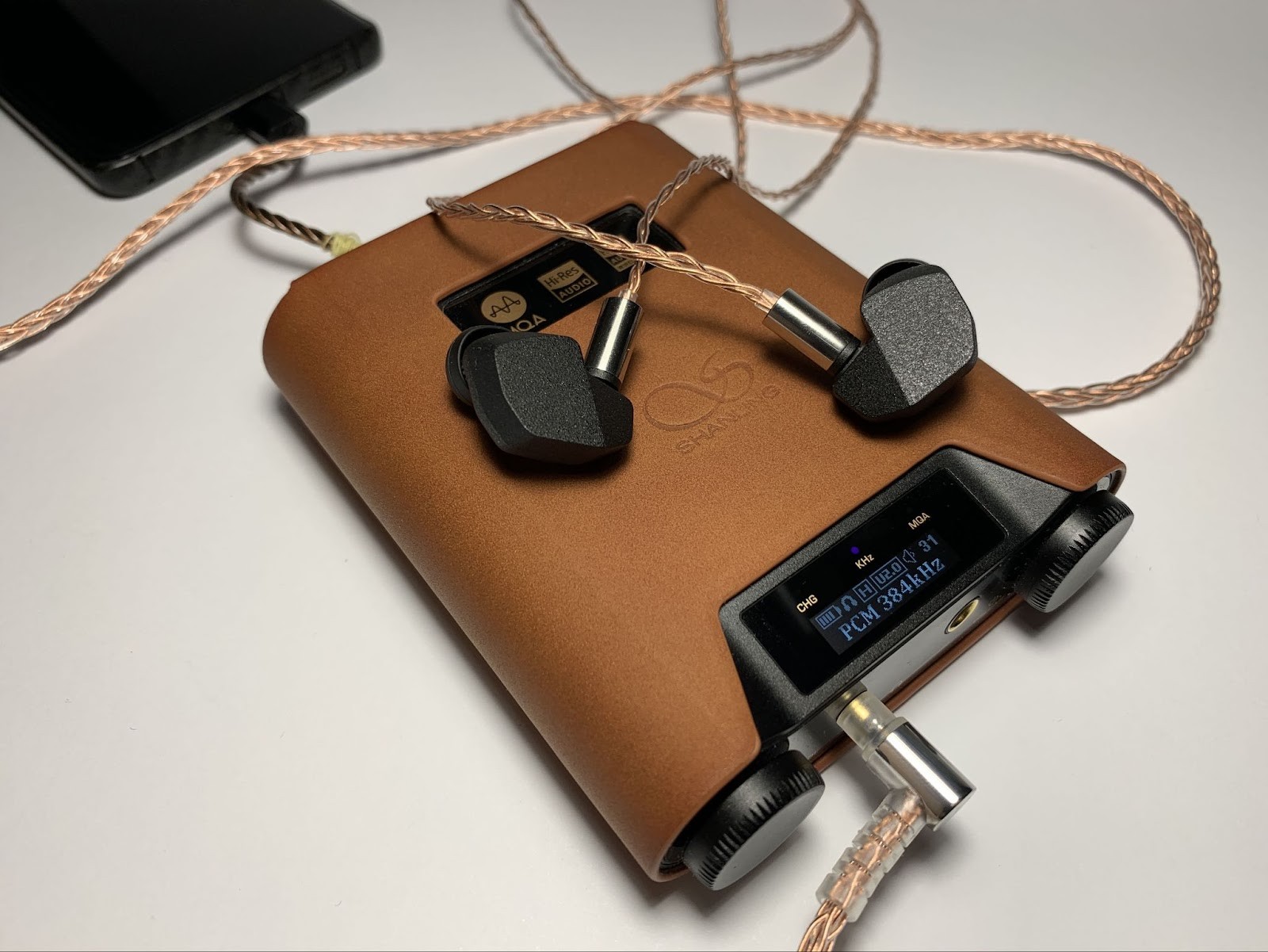
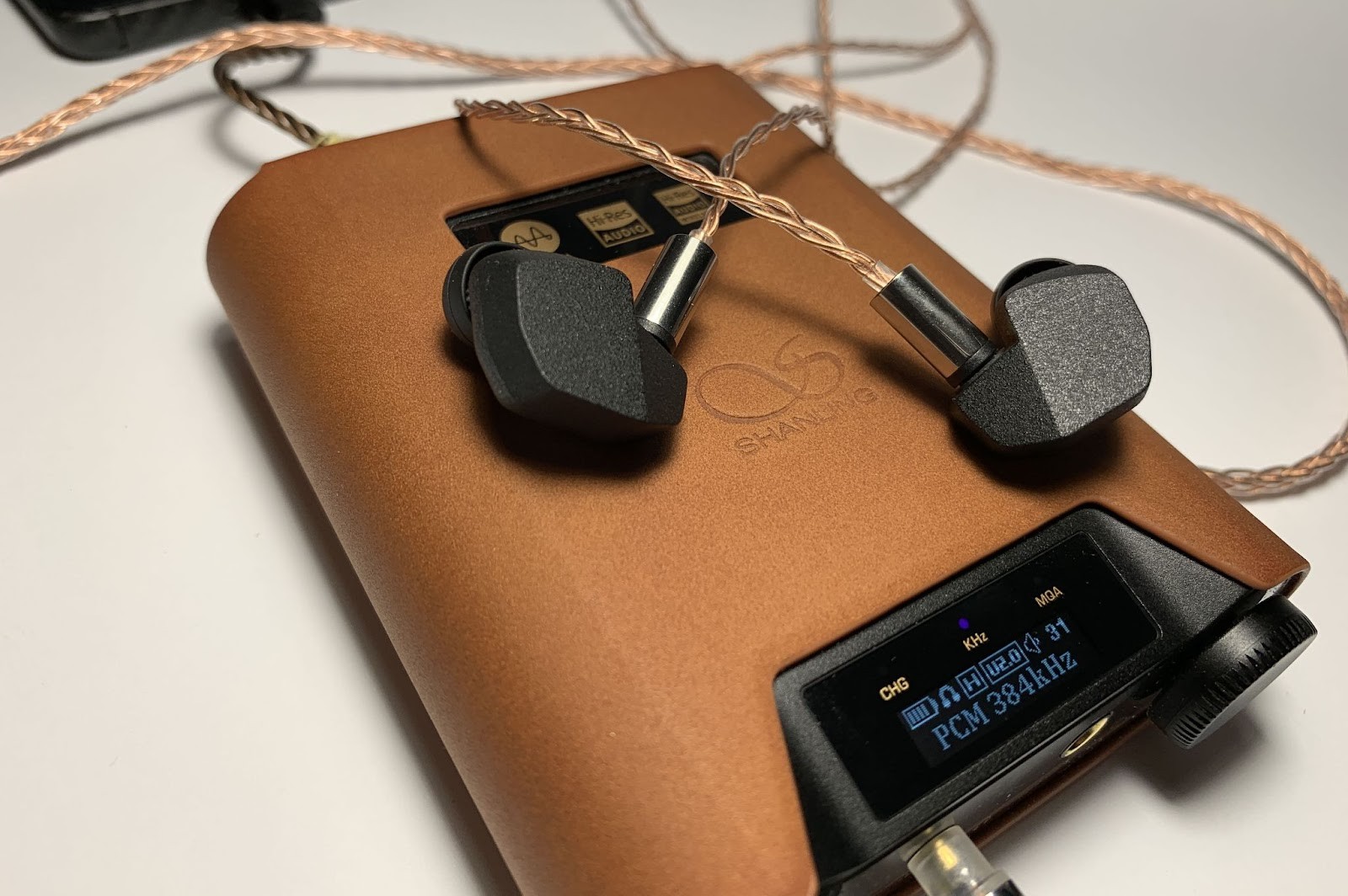
One important strength: these IEMs scale noticeably with source quality. Feed them with a proper DAC or DAP and good recordings, and they step up significantly. Paired with something like a dedicated portable DAC, the sound becomes deeper, cleaner, and more refined than straight out of a phone.
They reward effort.
Conclusion
I haven’t heard the A8000 flagship, but the Final Audio A6000 stands very confidently on its own. It’s a carefully designed, well-built in-ear headphone with a distinct tuning philosophy.
You get:
-
Excellent build quality
-
Extremely light and comfortable fit
-
High-quality replaceable cable
-
Sound that scales with better sources
-
A detailed, spacious, treble-forward presentation
You give up:
-
Genre universality
-
Forgiveness toward bad recordings
-
Big, punchy mid-bass
If you enjoy clarity, detail, and a sense of space—and you’re not afraid of bright treble—the A6000 is a fascinating listen. Not for everyone, but absolutely the right choice for the right listener.
Pros
-
High build quality
-
Very light and comfortable
-
Excellent included cable
-
Replaceable 2-pin connectors
-
Scales well with source quality
-
Detailed, spacious sound with deep sub-bass
Cons
-
Bright treble won’t suit all tastes
-
Not ideal for rock and heavy genres
A classic Final Audio product: slightly unconventional, carefully engineered, and unapologetically tuned its own way.


Sound Off
0Join the discussion if you have something to add.