

In this final ranking for 2025, we’re turning our attention to something that never really went out of style: wired full-size headphones. Not wireless. Not portable. Not lifestyle accessories. Just honest, uncompromising headphones built for sound.
And there’s a simple reason they still matter: physics.
Large earcups. Real acoustic volume. Proper drivers with room to breathe. This combination still delivers a level of soundstage, dynamics, control, and emotional weight that most portable or wireless solutions simply can’t touch. You don’t buy full-size wired headphones for convenience — you buy them because you care about music.
These are headphones made for calm evenings, focused listening, and losing track of time at home. The cable isn’t a drawback here; it’s part of the deal. So is using a proper DAC or amplifier. Give these headphones the right conditions, and they reward you with everything from micro-detail and spatial depth to that rare feeling when music just clicks.
The world of full-size headphones is huge and diverse — studio tools, audiophile classics, closed and open designs, neutral monitors and emotional music-makers. For this ranking, I’ve focused on five models I’ve personally spent real time with during 2025. These aren’t quick impressions or spec-sheet opinions — these are headphones I know, understand, and can confidently recommend.
All models here use dynamic drivers: four closed-back designs and one open-back. I deliberately left out planar-magnetic headphones this time, simply because I didn’t spend enough long-term time with them to do them justice.
As always, the list is sorted from the most affordable to the most expensive, so it’s easy to see what each step up in price actually gets you.
Takstar PRO70 – honest sound for almost no money
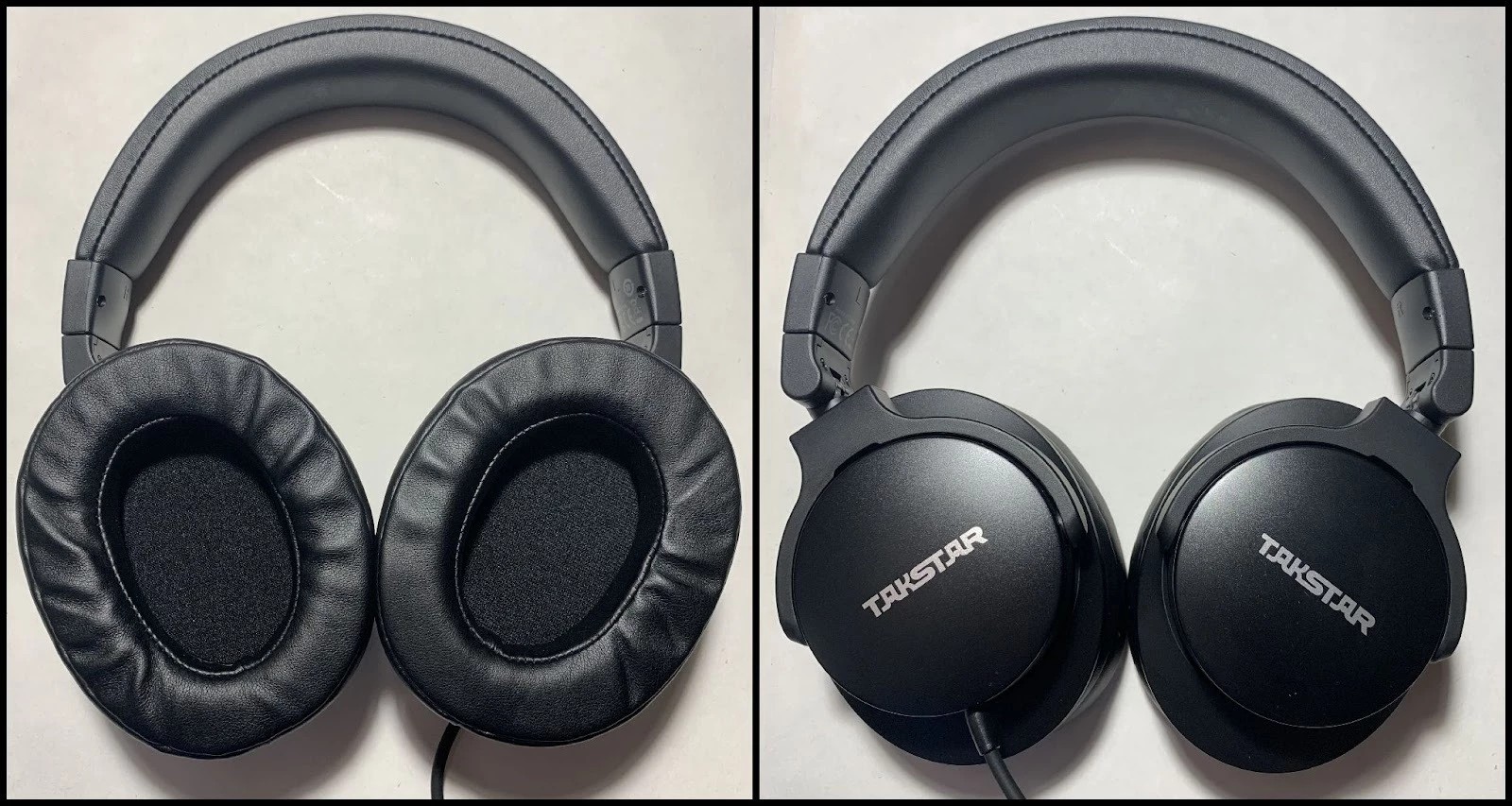
The Takstar PRO70 opens this ranking as the most affordable model — and also one of the most honest.
These are closed-back dynamic headphones that make no attempt to look premium or impress with luxury materials. Instead, they focus on one thing: doing the job properly. At around $50, that alone is impressive.
Takstar positions the PRO70 as monitor headphones, and within this price range, that description actually fits. The design is utilitarian and mostly plastic, but with metal reinforcement inside the cups for added durability. They’re light (around 290 g), comfortable, and easy to wear for long sessions — though like most closed designs, they can get a bit warm in summer.
The ear pads are soft and better finished than you’d expect at this price. The cups swivel, the headphones fold, and the coiled, non-removable cable stretches from 1.2 to 3 meters — very studio-friendly. A 3.5 mm jack with a 6.3 mm adapter reinforces that impression.
Sound-wise, the PRO70 are surprisingly balanced:
-
Bass has weight and control, without bleeding into the mids
-
Midrange is clear and honest, slightly recessed but natural
-
Treble is present without sharpness or fatigue
The soundstage is compact and intimate — exactly what you’d expect from closed headphones in this class — but nothing feels wrong or artificially hyped.
These aren’t audiophile dream machines. They’re practical, reliable, and truthful. For beginners, content creators, gamers, or anyone who just needs good sound for very little money, the Takstar PRO70 are a genuinely smart choice.
FiiO FT1
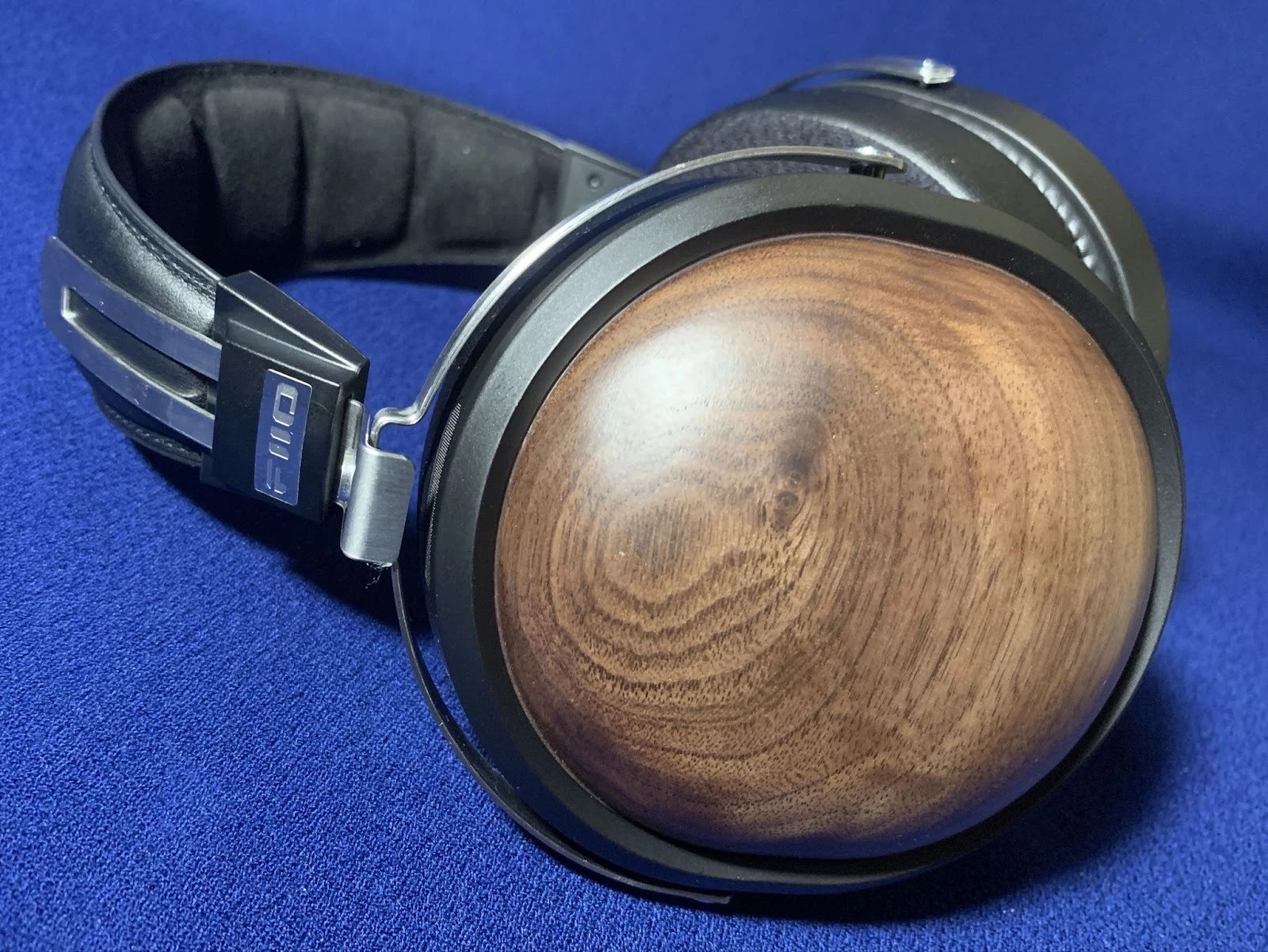
The FiiO FT1 is a clear step into a higher league. At just under $200, it still sits in the budget segment of full-size headphones — but everything about it feels more deliberate, refined, and complete.
These are closed-back dynamic headphones with a clear musical focus. They’re no longer just tools; they’re headphones made to be enjoyed.
Visually, the FT1 punches well above its price. Large earcups, elegant shapes, and — most importantly — real wooden cups, walnut in my case. That’s rare at this level, and it instantly gives the FT1 a premium presence.
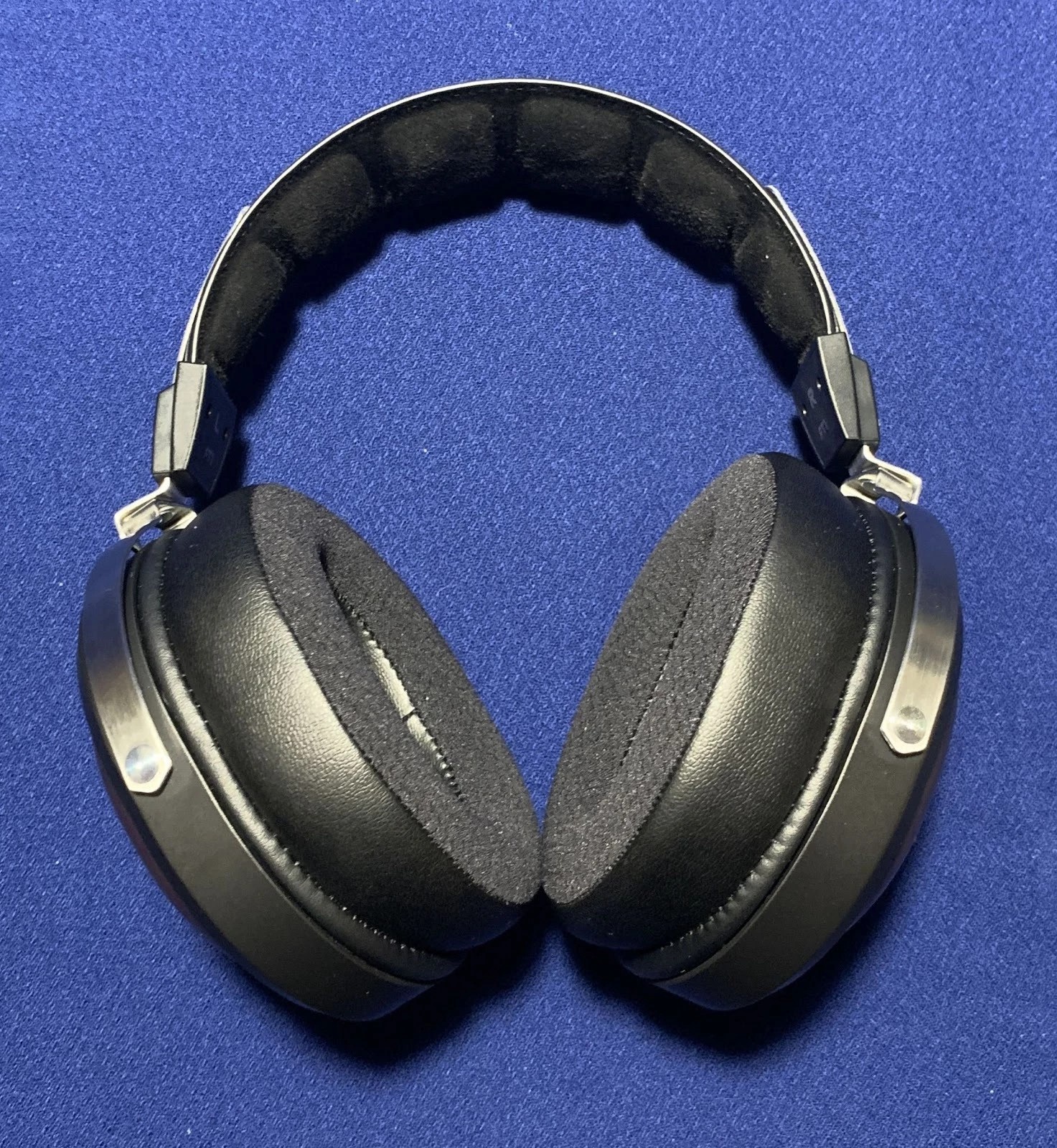
Comfort is good, with large pads that fully surround the ears and a well-padded headband. At around 340 g, they’re not feather-light, but weight distribution is well managed, allowing for long listening sessions.
FiiO also nails the accessories:
-
Two detachable cables (3.5 mm and balanced 4.4 mm)
-
A solid carrying case
-
Adapters and documentation
That alone makes the FT1 feel like a finished product, not a compromise.
Sound character is warm, musical, and slightly V-shaped:
-
Deep, confident bass with real sub-bass presence
-
Natural, smooth mids with pleasing vocals
-
Detailed but relaxed treble that never gets sharp
Despite being closed-back, the soundstage has real depth and air — helped by the large 60 mm driver and generous cup volume.
The FT1 isn’t about neutrality or studio accuracy. It’s about enjoyment. As an upgrade from entry-level headphones, it’s one of the strongest all-rounders in its class.
Sennheiser HD 550
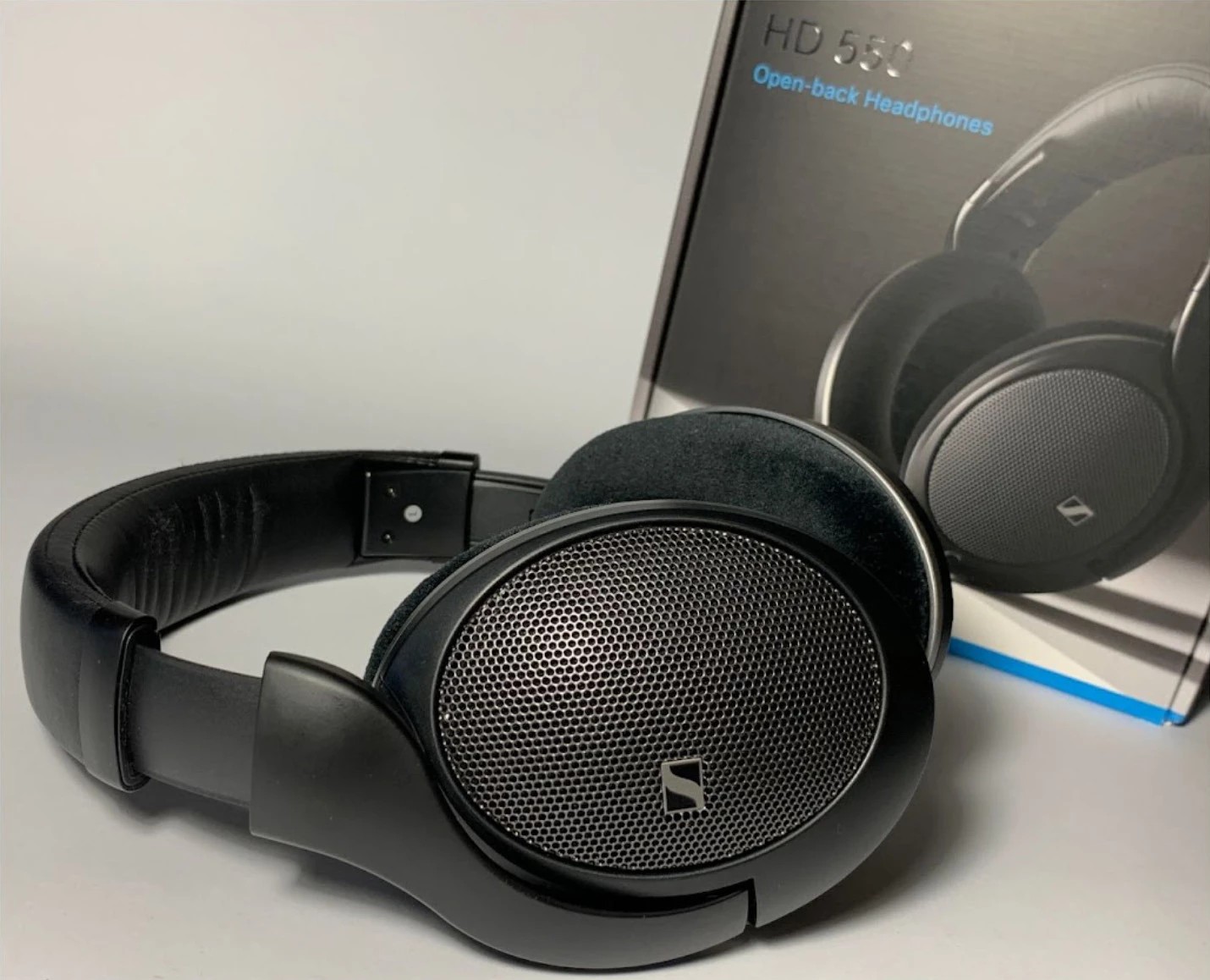
The Sennheiser HD 550 is the only open-back headphone in this ranking — and that changes everything.
These are headphones designed strictly for home listening in quiet environments. They don’t isolate, and they don’t try to. Instead, they focus on soundstage, openness, and natural presentation.
At $300–350, the HD 550 offer one of the most spacious and breathable listening experiences in their class.
They’re also incredibly light — just 237 g — making them some of the most comfortable full-size headphones you can wear for hours. Velour ear pads, low clamping force, and excellent weight distribution mean they almost disappear on your head.
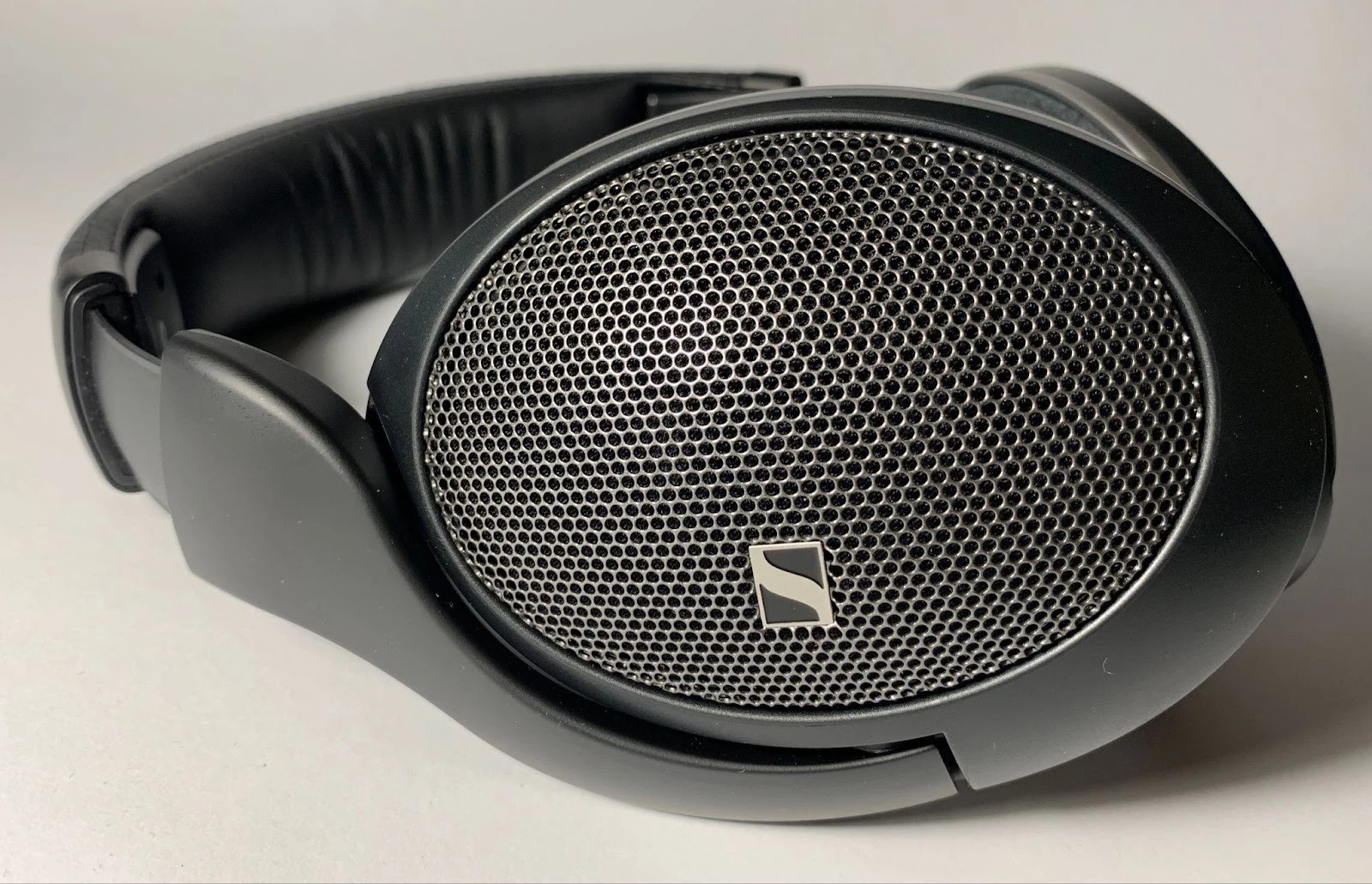
They do need a proper DAC or amplifier. With a weak source, they sound polite. With a good one, they open up dramatically.
Sound signature is classic Sennheiser:
-
Bass is clean and restrained, present but never dominant
-
Midrange is the star: open, natural, and beautifully layered
-
Treble adds air and detail without fatigue
These headphones shine with jazz, classical, acoustic, vocals, and critical listening. They’re not bass monsters, and they’re not meant to be. What they offer instead is space, realism, and calm musical flow.
If you value comfort and soundstage above all else, the HD 550 are an easy recommendation.
Sennheiser HD 620S
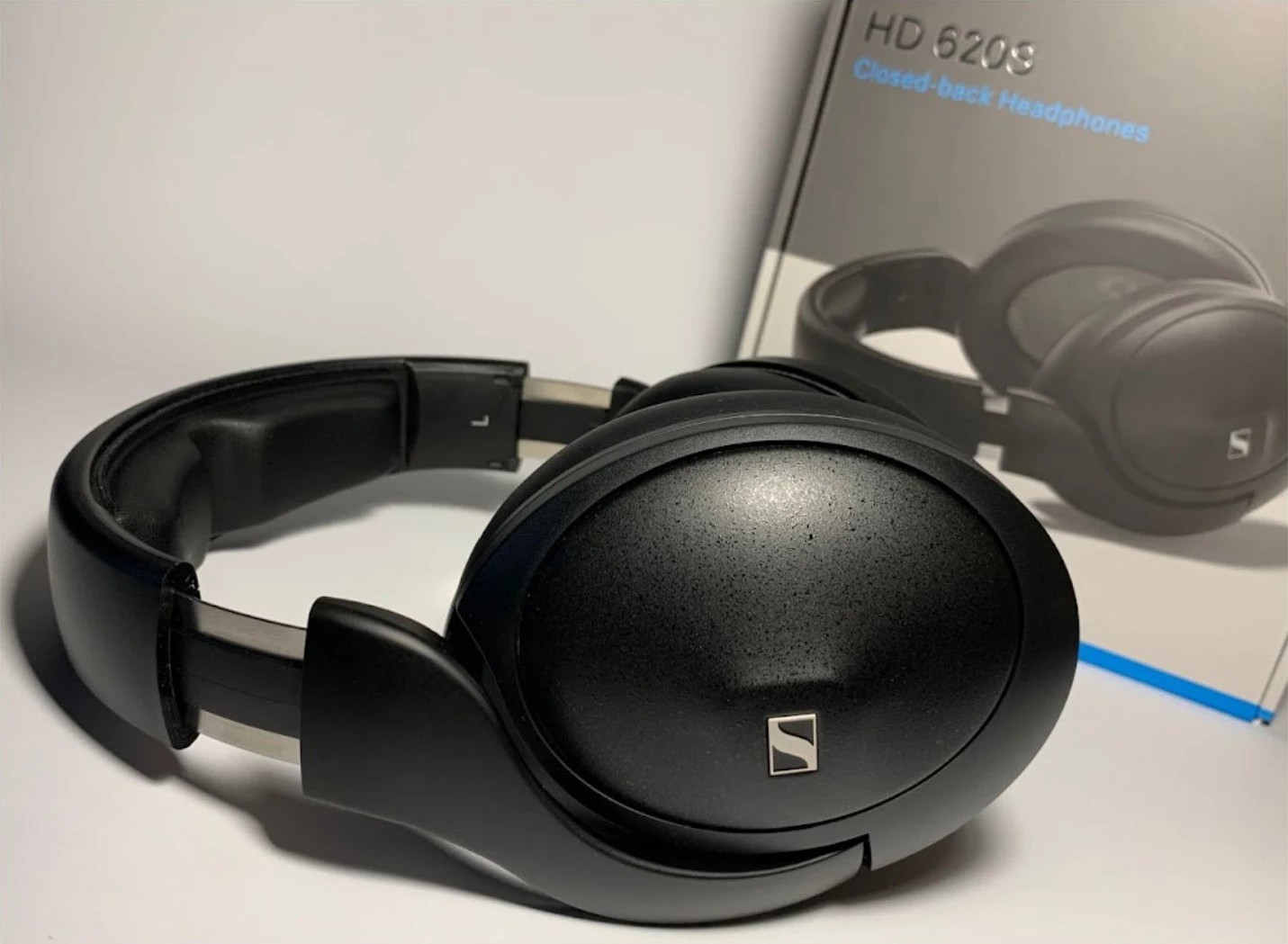
The HD 620S is Sennheiser doing something a little unexpected.
These are closed-back dynamic headphones that lean into depth, weight, and impact rather than openness and air. At $350–400, they target listeners who want isolation and emotion.
Build quality is solid and understated. They’re heavier than the HD 550 and clamp a bit more firmly — necessary for proper isolation. Comfort is good, though they don’t disappear on your head in the same way.
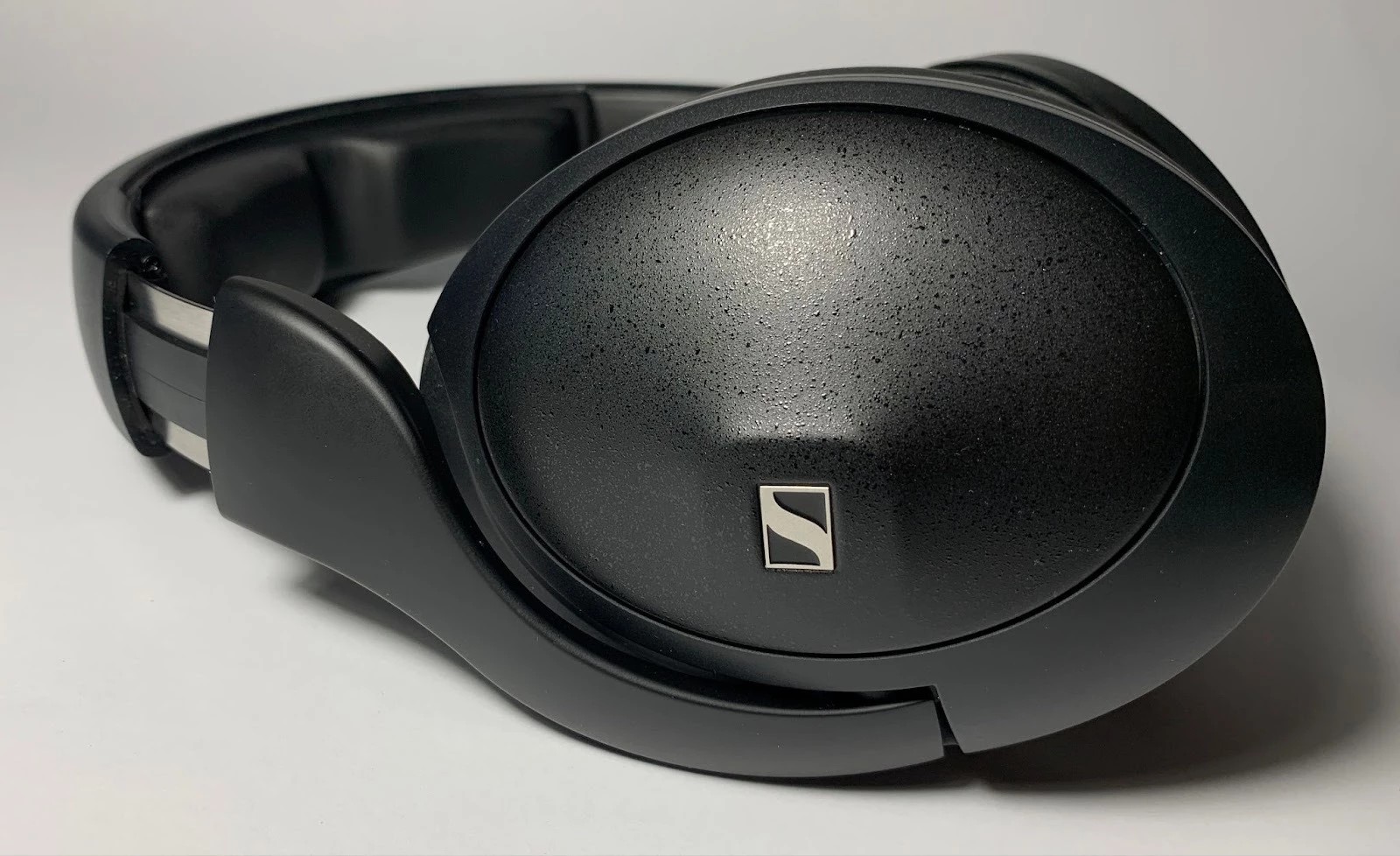
They also demand a proper amplifier. Feed them well, and they come alive.
Sound-wise, the HD 620S are all about the low end:
-
Bass is deep, textured, and emotionally engaging
-
Midrange is slightly recessed but smooth and natural
-
Treble is polite, controlled, and never aggressive
These are fantastic for electronic music, modern rock, pop, and anything that benefits from physical impact. They’re not analytical headphones — they’re about drive and enjoyment.
If you want a closed Sennheiser with real punch, this is it.
Fostex TH610
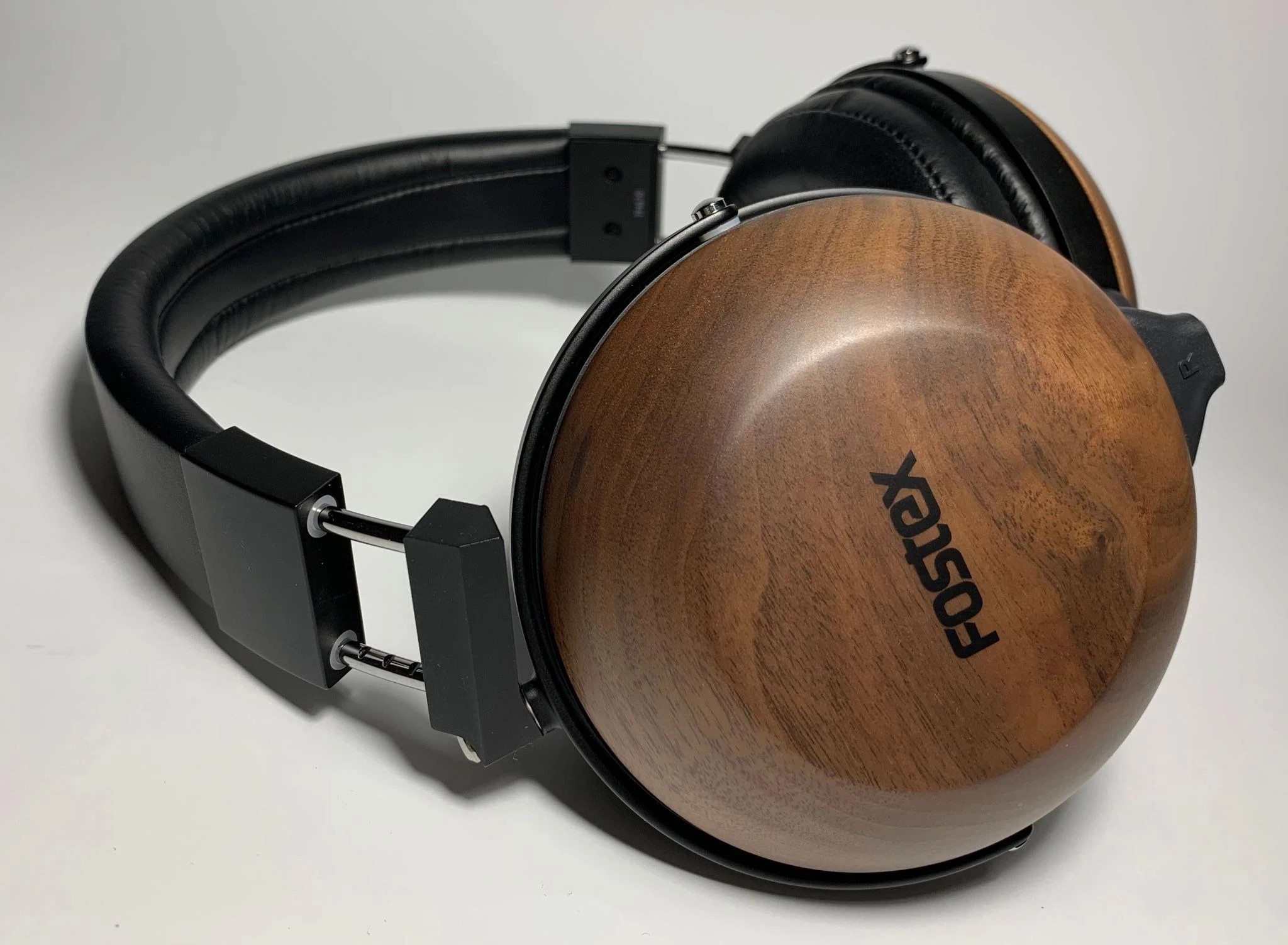
At the top of the list sits the Fostex TH610 — and for good reason.
At around $600, these headphones firmly step into premium territory, both in sound and craftsmanship. Natural walnut cups, metal components, fabric-braided detachable cable, and full assembly in Japan give them a sense of authenticity that’s becoming rare.
The 50 mm biodynamic drivers deliver a sound that feels grown-up, balanced, and deeply musical.
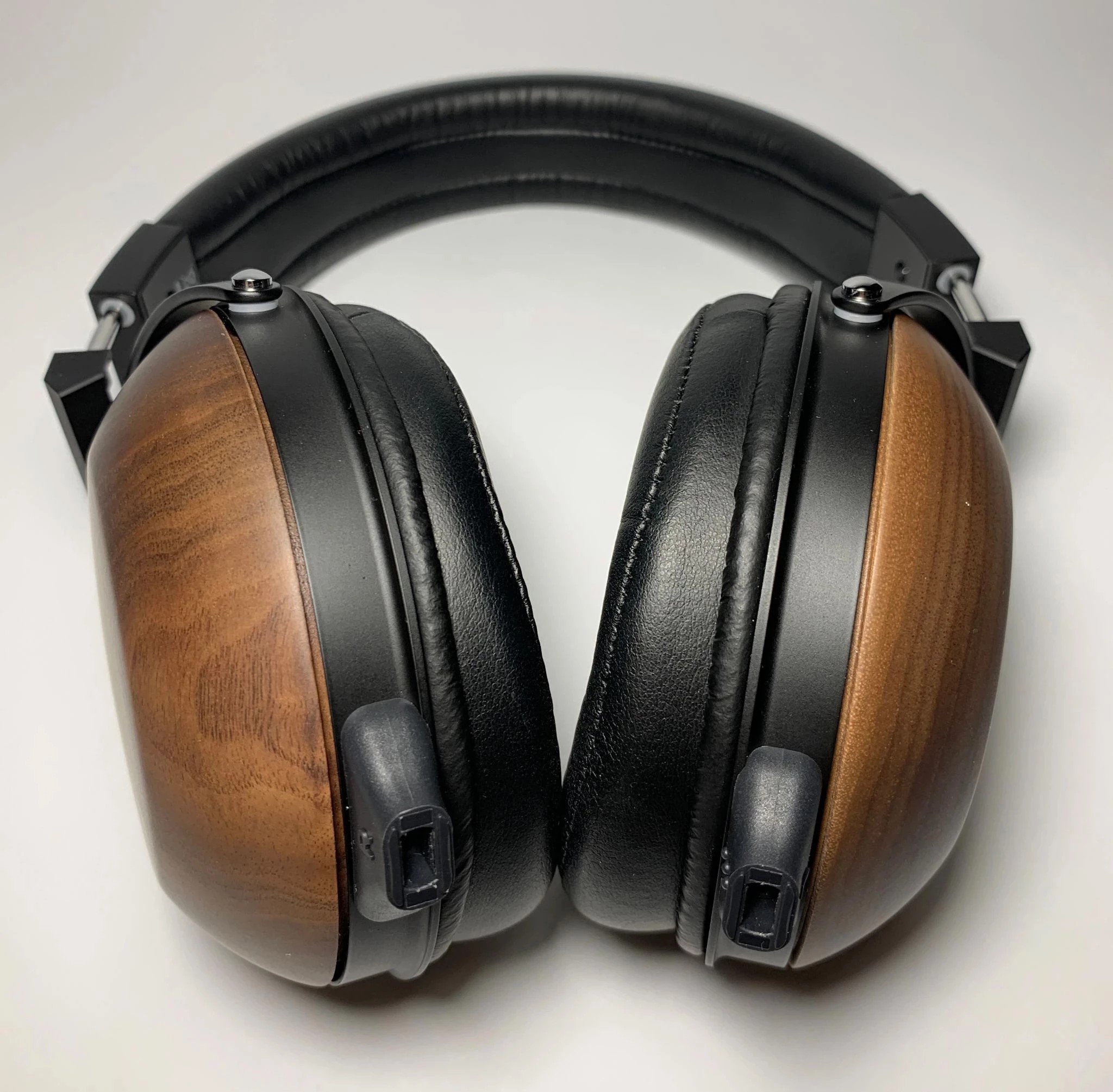
Despite being closed-back, the soundstage is wide and surprisingly open:
-
Bass is deep, controlled, and never overdone
-
Midrange is rich, textured, and emotionally convincing
-
Treble adds clarity and air without harshness
These aren’t headphones that scream for attention. They slowly pull you in, album by album, track by track. They scale beautifully with better DACs and amplifiers and reward careful system matching.
The TH610 are for listeners who’ve moved past “wow effects” and want something more lasting.
Conclusion
This ranking reflects real listening experience, not spec-sheet comparisons. The headphone market is huge and constantly changing, and no single list can cover everything. But these five models are ones I can confidently stand behind.
Each serves a different listener, budget, and musical taste — and that’s exactly how it should be.
If possible, always listen before you buy. Comfort, fit, and sound perception are personal, and nothing replaces real-world experience. Use this list as a starting point, not a final verdict.
Here’s to great music, peaceful listening sessions, and a year filled with sound that actually moves you.




Sound Off
0Join the discussion if you have something to add.