

Choosing a reference-level preamplifier is no longer just about prestige or price – it’s about signal purity, system synergy, and how convincingly a component disappears from the chain. A great preamp should do almost nothing, yet everything at once: preserve dynamics, maintain tonal balance, and let the music breathe without imposing its own character.
Below is our editorial ranking of today’s most compelling high-end preamplifiers, guided by design philosophy, engineering ambition, and how each model fits into real-world high-end systems. The list is organized from the most attainable entry into true high-end performance to the absolute state of the art.
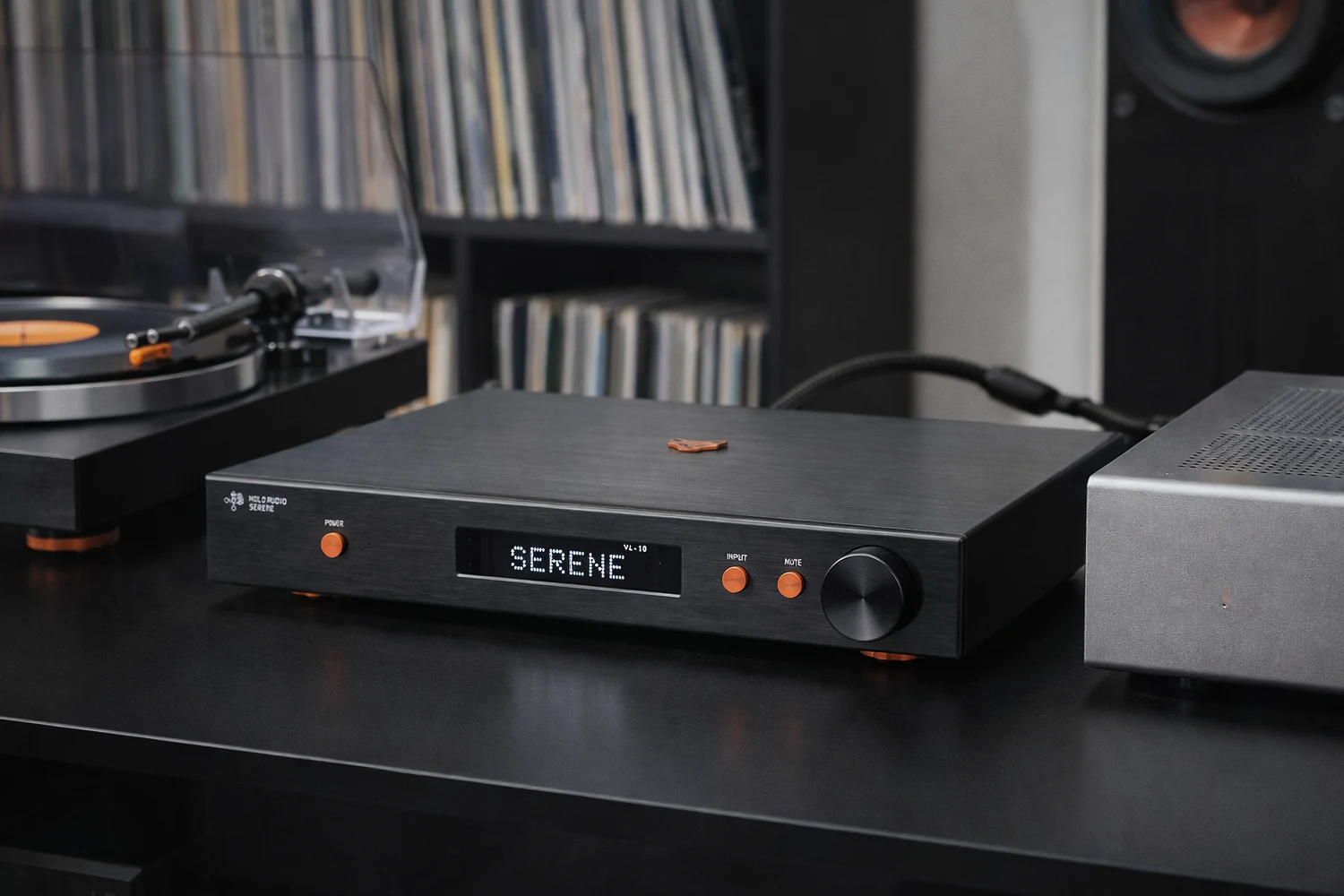
HoloAudio Serene KTE
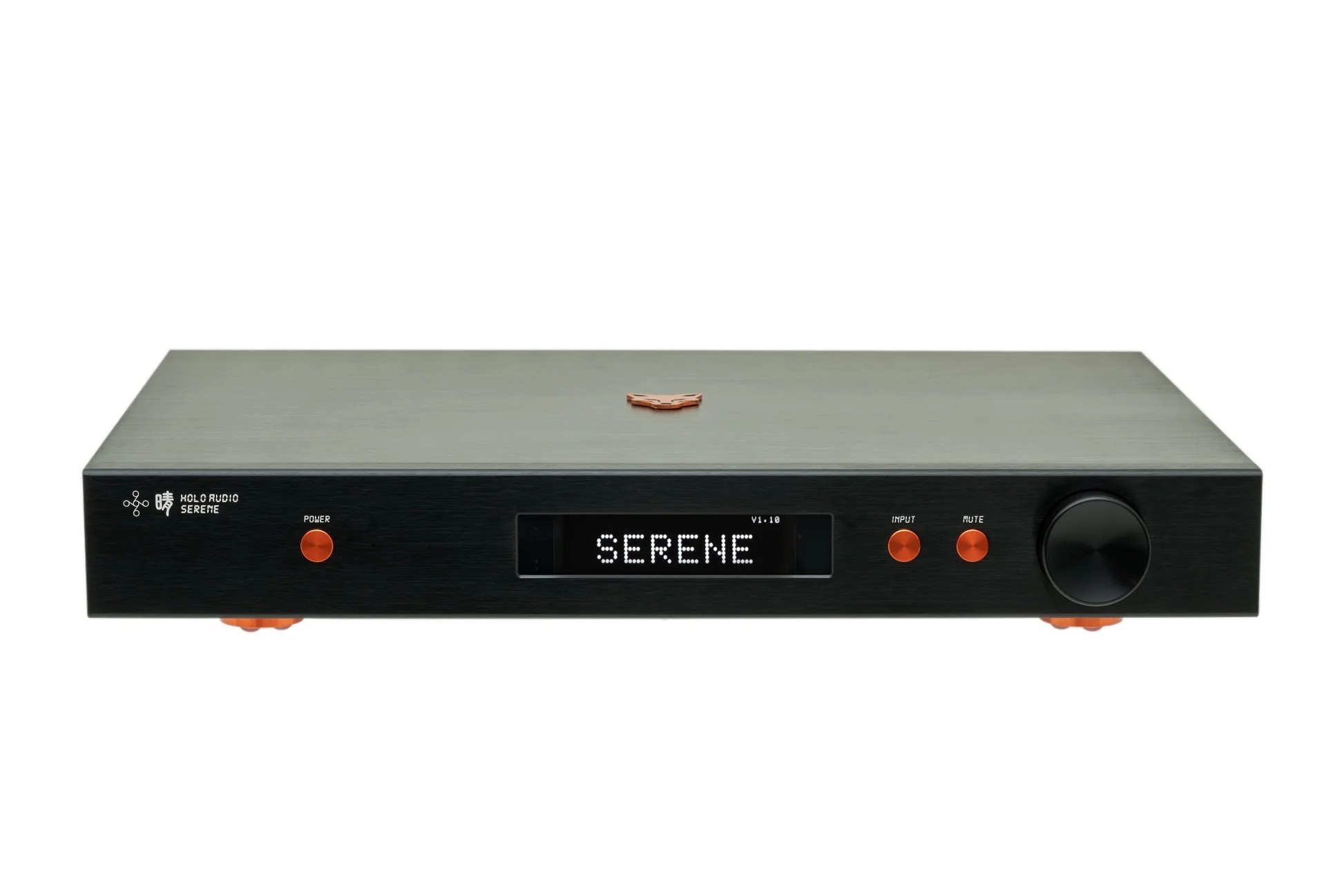
Price: $3,328
Pros: Astonishing transparency, fully balanced design, exceptional value
Cons: None at this price level
The HoloAudio Serene KTE is one of those rare components that immediately raises eyebrows—mostly because it performs at a level far above its asking price. Its fully balanced architecture, relay-controlled volume, and discrete amplifier modules are executed with a level of care usually reserved for far more expensive designs.
Sonically, the Serene KTE is remarkably open and emotionally communicative. It neither warms nor sharpens the signal, instead presenting music with a calm authority that draws you deeper into recordings. For many systems, this is already “endgame” territory.
Canor Hyperion P1
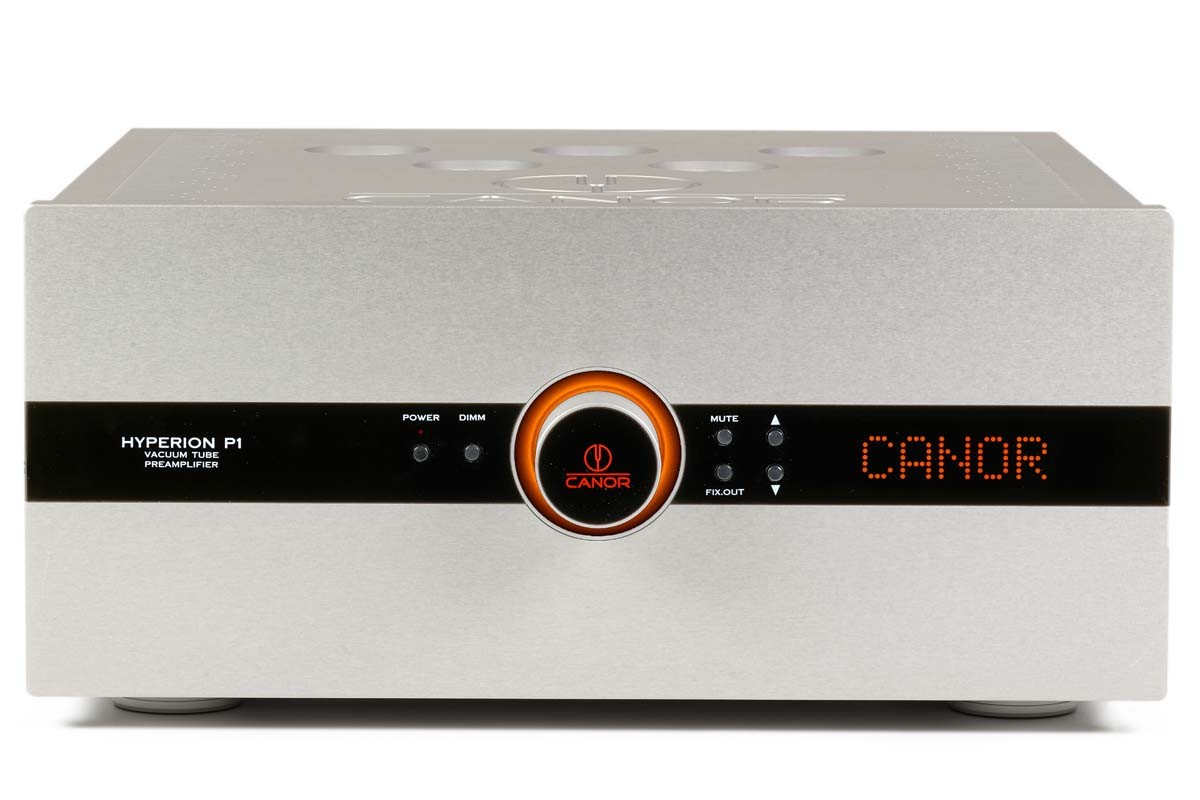
Price: $12,500
Pros: Luxurious build, rich midrange, refined tube presentation
Cons: Bass definition not class-leading
The Canor Hyperion P1 is a pure Class A vacuum tube preamplifier that celebrates the strengths of tubes without drifting into nostalgia. Using 6922 and 6H30PI valves and a precision 64-step attenuator, it delivers a sound that is fluid, harmonically rich, and deeply engaging.
Midrange texture is where the Hyperion P1 truly shines—vocals and strings feel tactile and alive. Bass is generous and smooth, though not as tightly etched as the best solid-state competitors. Still, for listeners who value emotional flow over forensic precision, this is a compelling choice.
McIntosh C12000
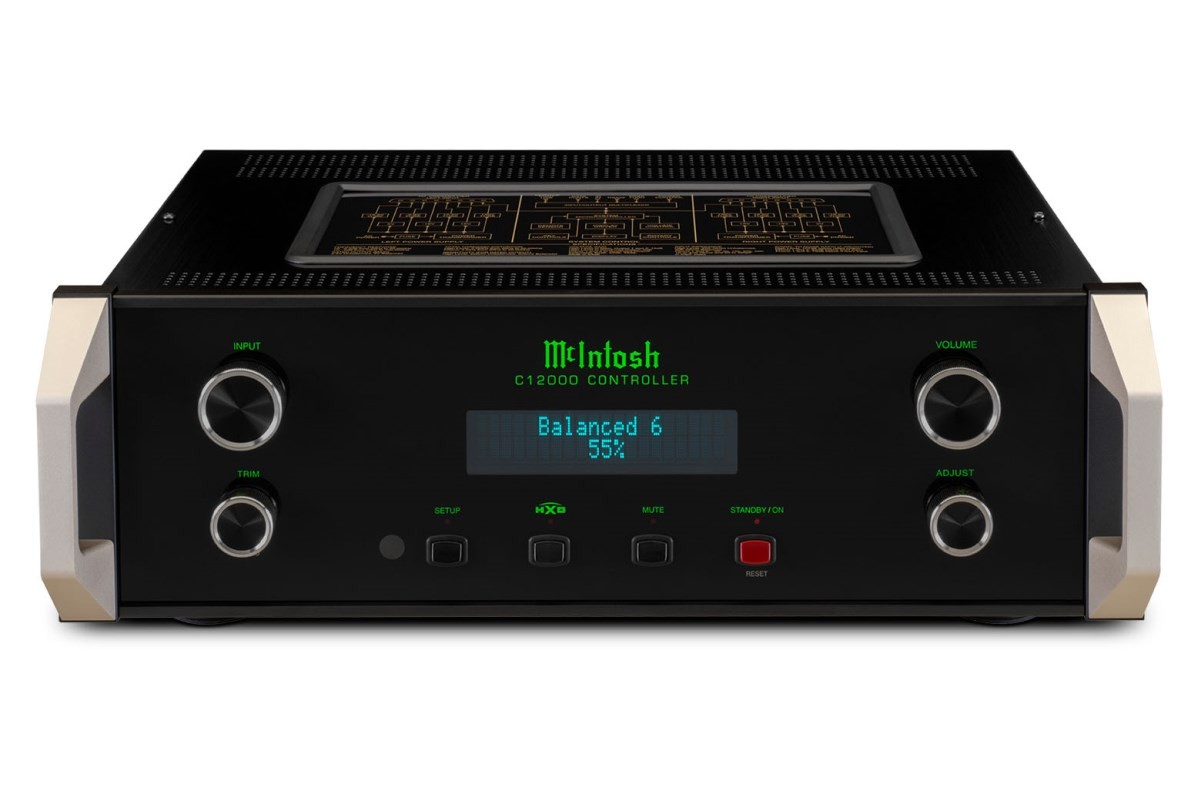
Price: $19,000
Pros: Dual tube/solid-state operation, massive soundstage
Cons: High frequencies can sound slightly relaxed
The McIntosh C12000 is a true statement piece—both visually and sonically. Split into two separate chassis, it allows users to switch between tube and solid-state gain stages, effectively offering two preamplifiers in one.
Its sound is unmistakably McIntosh: expansive, smooth, and grand in scale. The C12000 excels at portraying large orchestral works and live recordings, creating a vast and immersive soundstage. While some listeners may wish for a bit more bite in the upper treble, the overall presentation is luxurious and endlessly listenable.
Treehaus Audiolab “The Preamplifier”
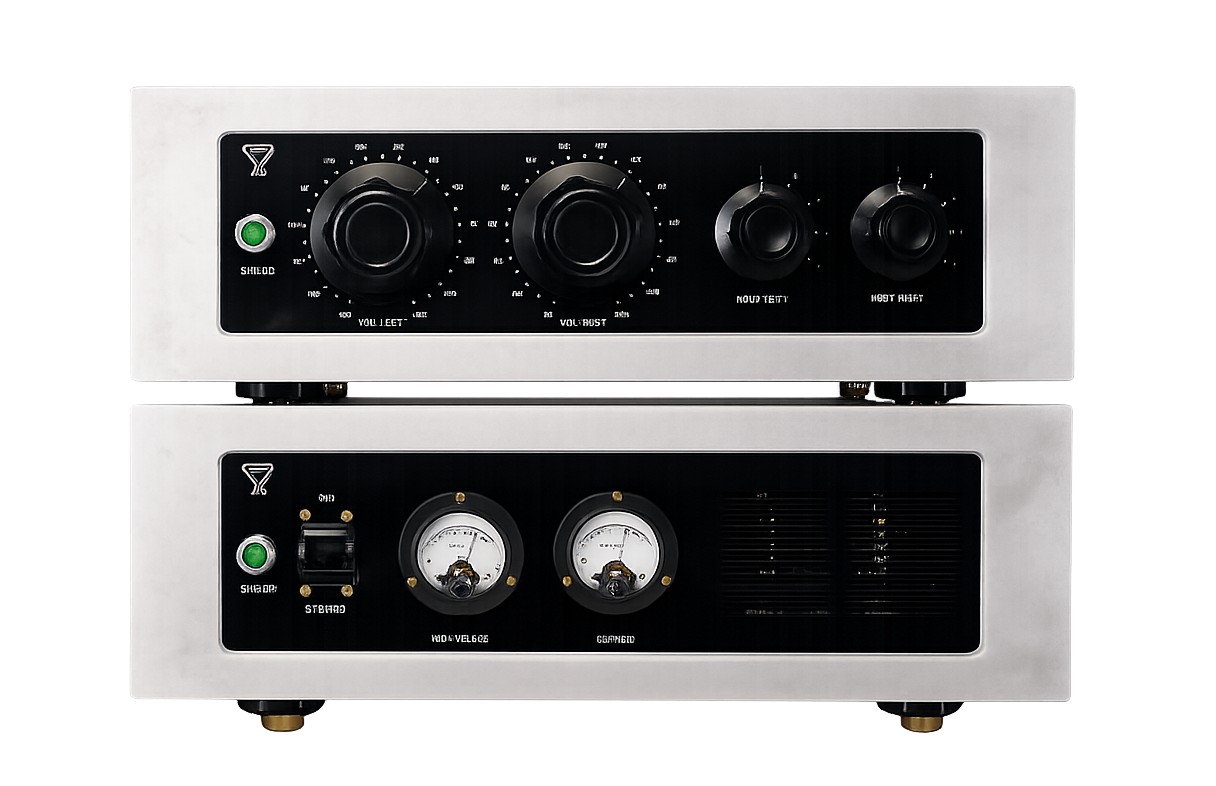
Price: $19,000
Pros: Exceptional clarity, ultra-short signal path
Cons: Requires careful power amplifier matching
Treehaus Audiolab’s aptly named “The Preamplifier” is a purist’s dream. Built around NOS vacuum tubes and transformer-based volume control, it prioritizes the shortest possible signal path and absolute transparency.
Gain is intentionally modest, which places greater importance on choosing the right power amplifier. Get the pairing right, however, and the reward is extraordinary realism—music emerges effortlessly, with a sense of space and immediacy that feels uncannily lifelike.
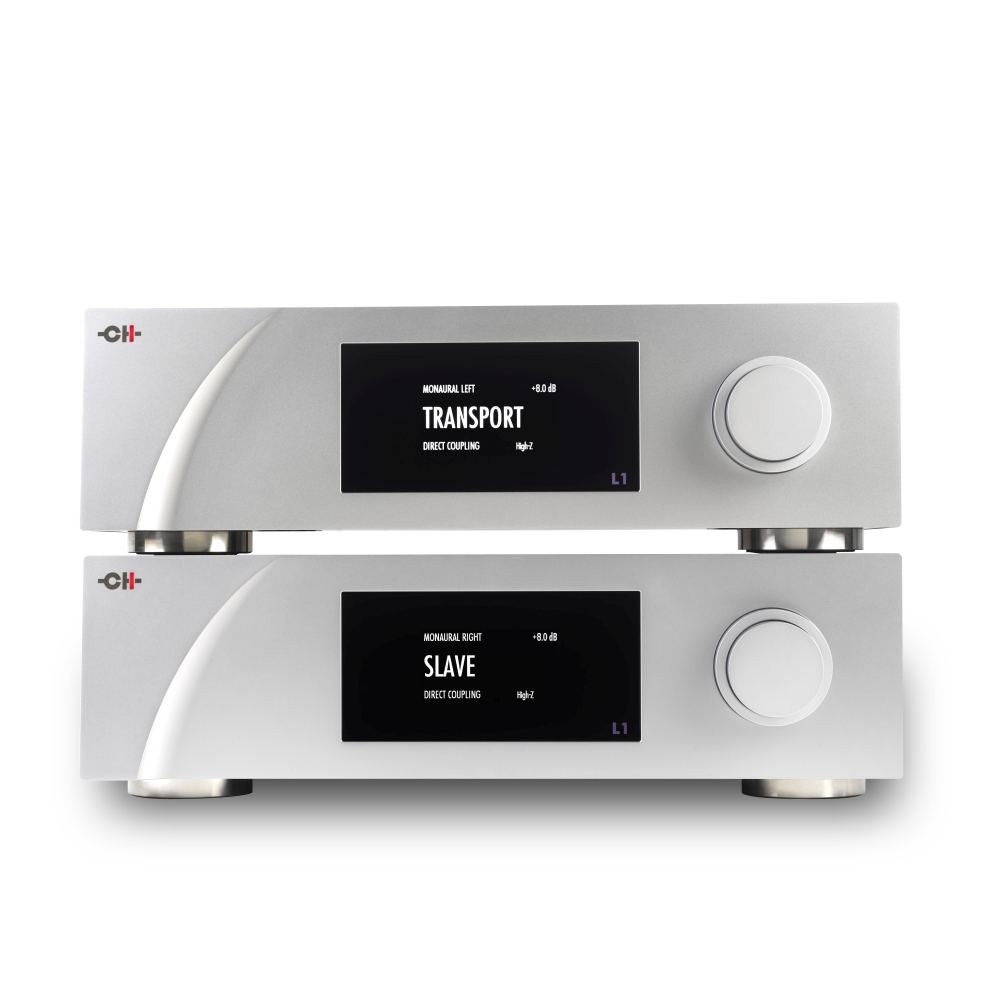
CH Precision L1
Price: On request
Pros: State-of-the-art engineering, flawless neutrality
Cons: None
The CH Precision L1 is less a preamplifier and more a technological platform. Its modular architecture, fully discrete Class A topology, and software-controlled R2R ladder volume control place it among the most advanced designs available today.
With an enormous bandwidth and vanishingly low noise floor, the L1 delivers sound that is pristine, effortless, and completely unforced. It does nothing to flatter poor recordings—but with high-quality sources, it reveals staggering levels of detail and spatial accuracy.
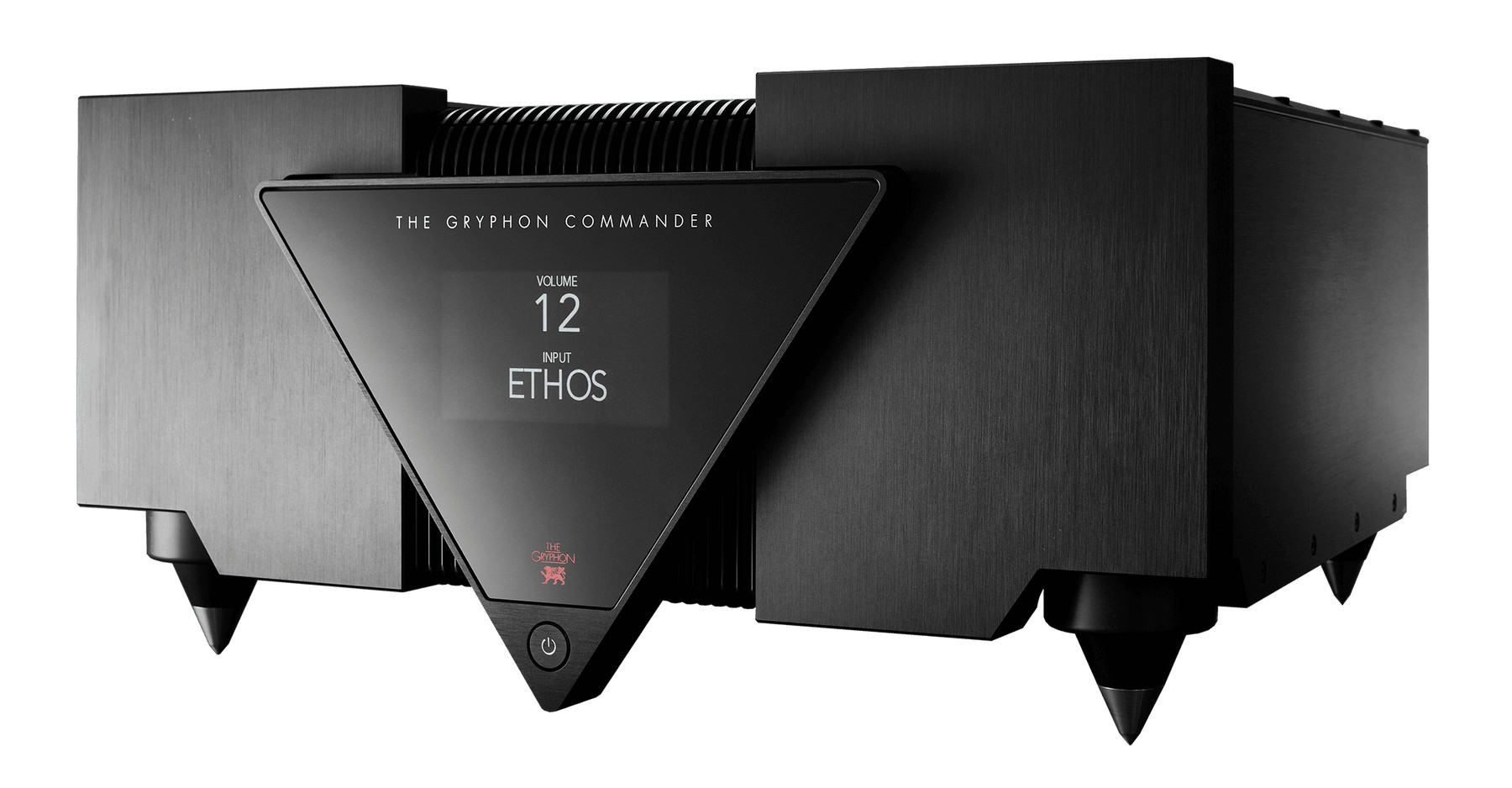
Gryphon Audio Commander
Price: $69,800
Pros: Unmatched spatial realism, commanding authority
Cons: None within its category
The Gryphon Commander is all about scale, weight, and dimensionality. Its fully discrete, pure Class A design and meticulously engineered power supply allow it to create a soundstage that feels physically present.
Music through the Commander has body, depth, and solidity that few components can replicate. Instruments occupy real space, bass has substance without excess, and dynamics feel unconstrained. This is a benchmark product in the truest sense.
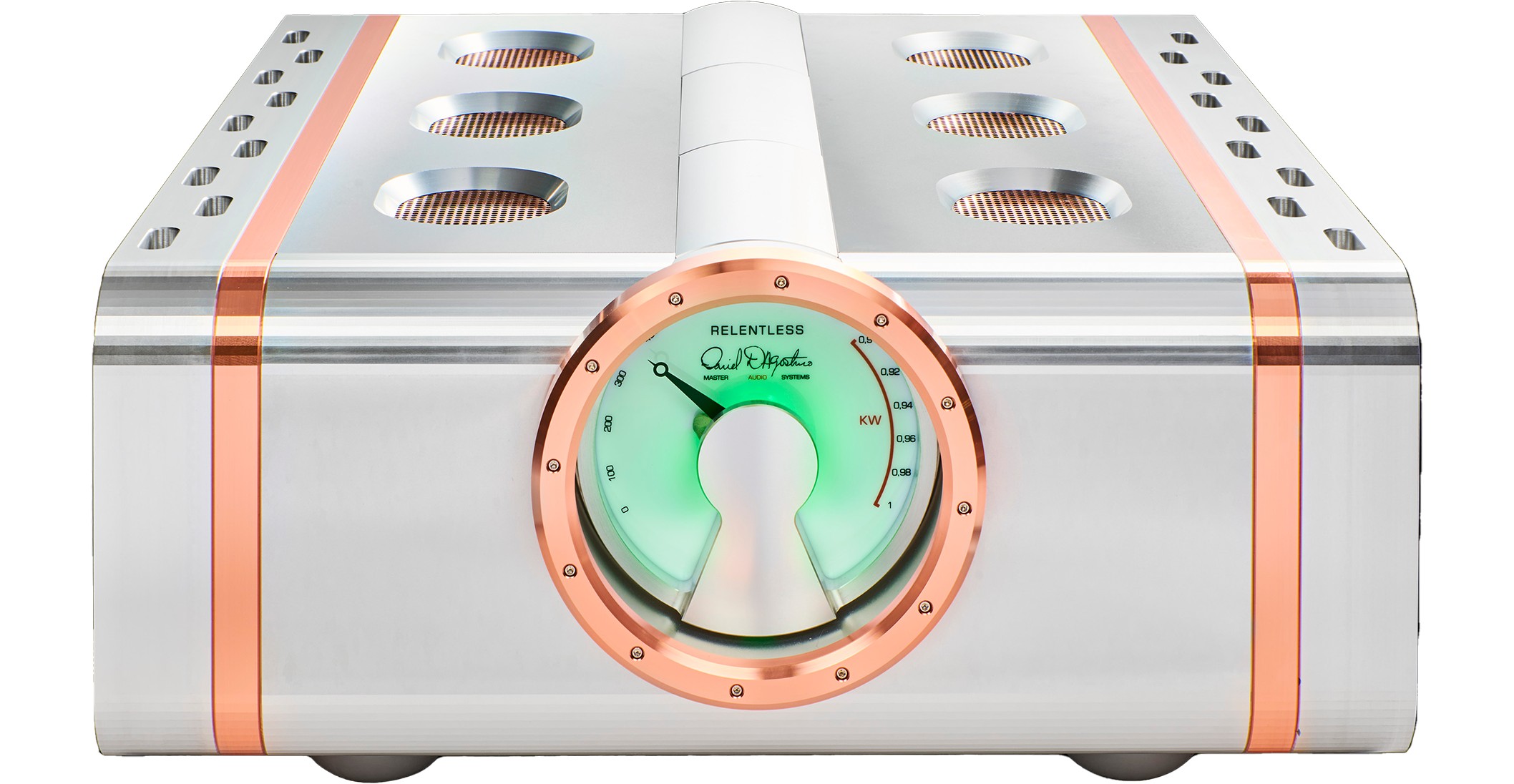
Dan D’Agostino Master Audio Systems Relentless
Price: $165,000
Pros: Unrivaled realism, limitless dynamics
Cons: Price places it beyond reach for most
The Relentless preamplifier exists at the outer edge of what is technically—and financially—possible. Built with proprietary multi-layer circuit boards, sealed relays, and multiple independent power supplies, it is designed to control the signal with absolute authority.
Capable of delivering up to 30 watts, the Relentless can drive virtually any power amplifier directly. Sonically, it is astonishing: bass is explosive yet controlled, microdynamics are breathtaking, and the smallest musical nuances are rendered effortlessly. This is not just high-end—it is a reference for the industry itself.
Conclusion
From the almost shockingly good value of the HoloAudio Serene KTE to the unapologetic, no-limits ambition of the Dan D’Agostino Relentless, today’s preamplifier landscape has never been more diverse—or more compelling. Whether your goal is maximum transparency per dollar or absolute, statement-level performance, there is a clear and credible path forward.
What ultimately separates a great preamplifier from a merely good one isn’t features, price, or prestige—it’s invisibility. The best designs step completely out of the way, preserving dynamics, scale, and microdetail while allowing the music to breathe freely. When everything is right, you stop listening to equipment and start listening to performances.
And that’s the real benchmark. Not how impressive a preamplifier looks on a rack, but how effortlessly it vanishes, leaving nothing behind but space, emotion, and the unmistakable feeling that the system is no longer between you and the music.


Sound Off
0Join the discussion if you have something to add.