
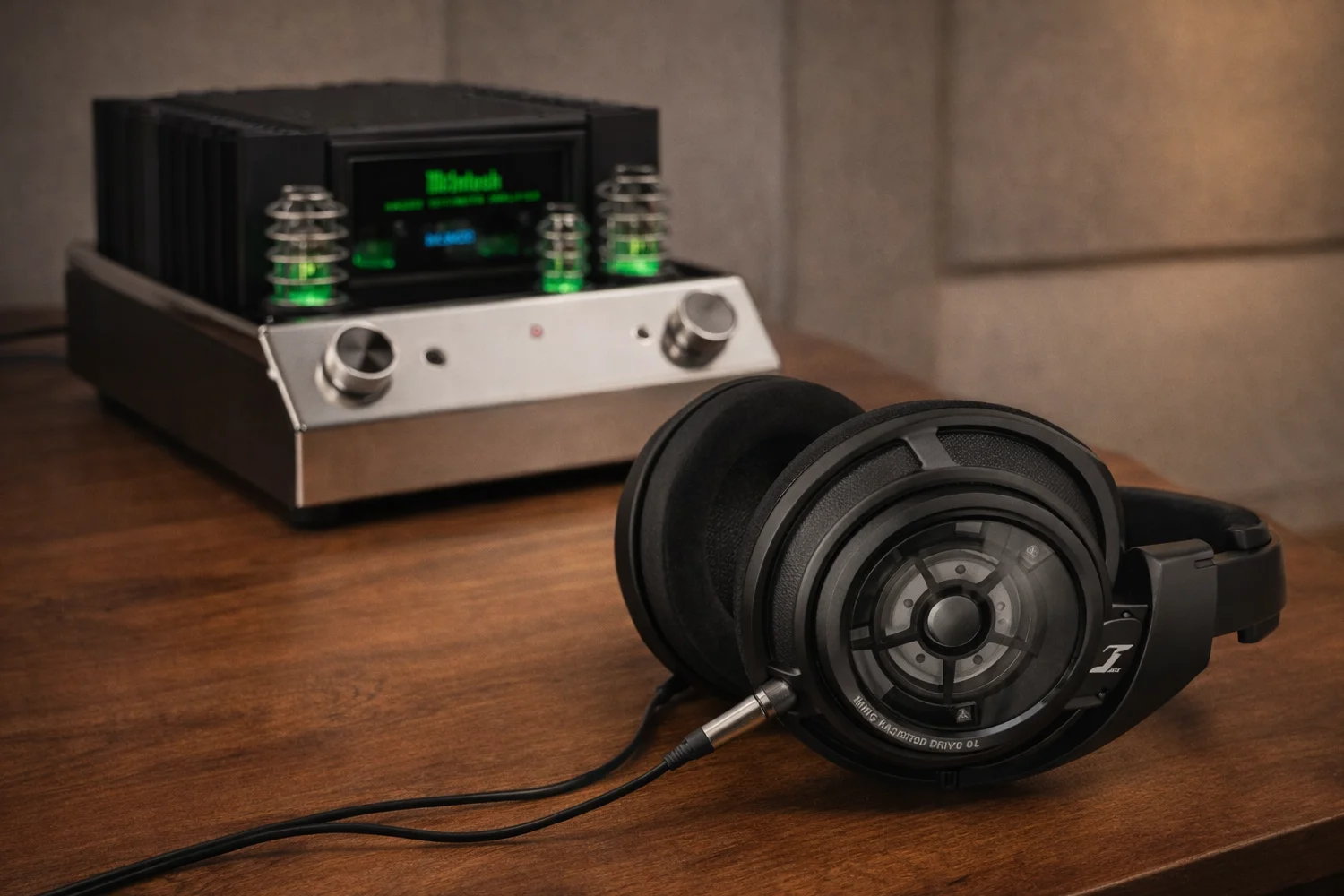
The Sennheiser HD 820 sits in a slightly unusual place in the headphone world. It was never meant to be trendy, portable, or mass-market cool. Instead, it was built as a serious, no-nonsense reference headphone—one that brings the philosophy of Sennheiser’s legendary open designs into a closed-back format.
Years after its launch, that approach still makes sense. The HD 820 isn’t about hype. It’s about precision, consistency, and long-term listening satisfaction.
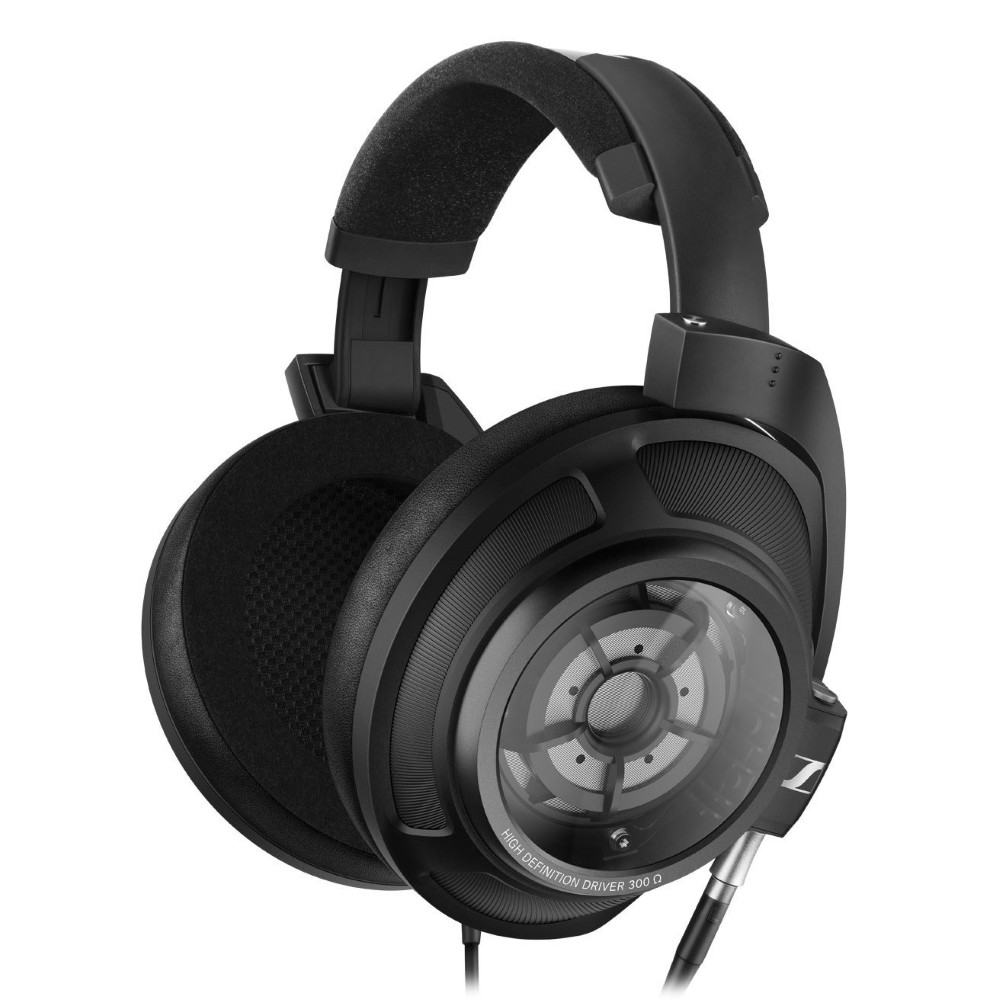
The big talking point with the HD 820 has always been its ability to sound open while remaining fully closed. Traditionally, closed headphones trade space and air for isolation. Here, Sennheiser aimed for something different.
The result is a soundstage that feels wide and well-organized, with clear separation between instruments and a sense of depth that’s rare in closed designs. You get isolation when you need it, but without the boxed-in feeling that often comes with it. Bass is solid and well-extended, mids are clean and neutral, and the treble stays detailed without becoming sharp or exaggerated.
It’s a balanced, grown-up sound—more about accuracy than drama.
Built the Old-School Way
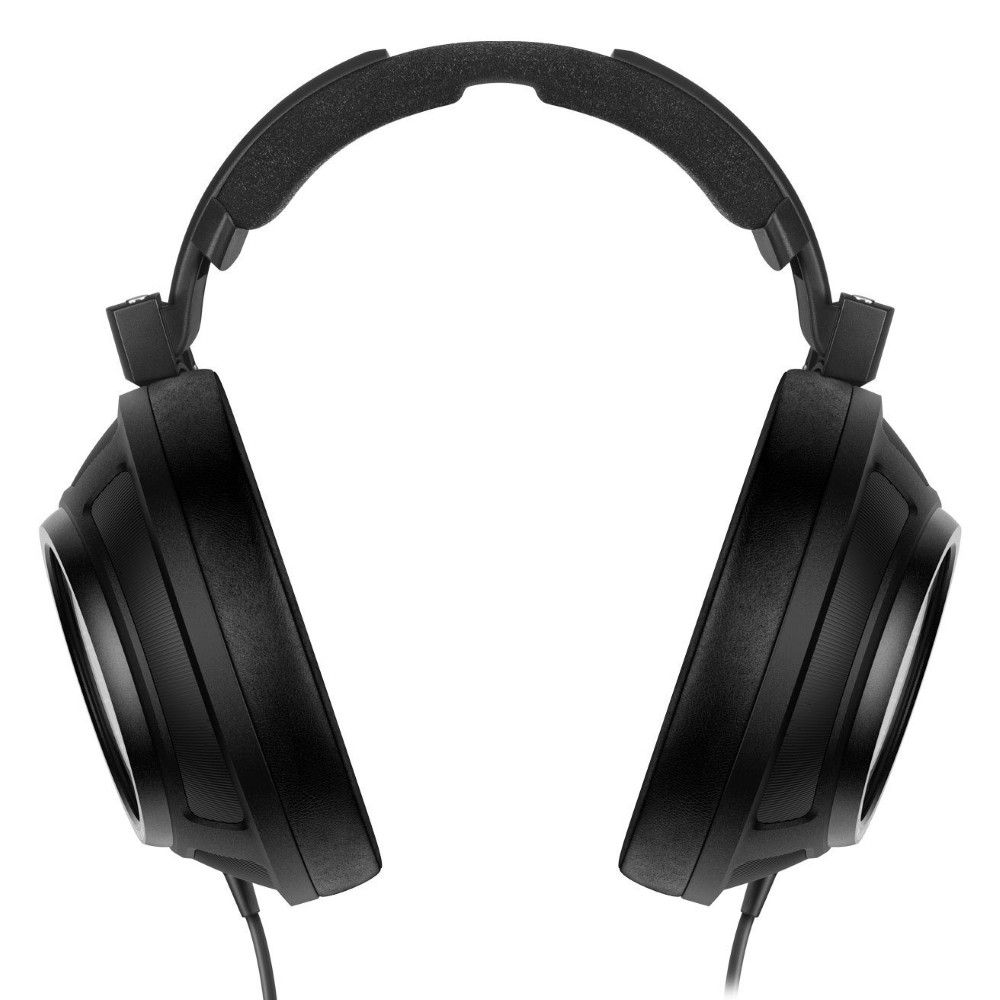
Physically, the HD 820 feels like a product from a time when flagship headphones were built to last decades. The construction combines metal, high-grade synthetic materials, and carefully finished components, all chosen for durability rather than visual flash.
The microfiber ear pads are large and comfortable, and the clamping force is well judged for long listening sessions. Despite the solid build, the headphones are surprisingly light on the head, thanks to careful weight distribution and a well-damped metal headband.
This is not a headphone designed for commuting or casual use. It’s meant to live next to your amplifier, ready whenever you sit down for focused listening.

Ring Radiator Driver
At the core of the HD 820 is Sennheiser’s large 56 mm Ring Radiator driver—first made famous in the HD 800 series. Its design allows the diaphragm to move in a more controlled and piston-like way than traditional dynamic drivers.
In practice, that translates into tight bass, very low distortion, and a presentation that feels coherent from top to bottom. Spatial cues are easy to follow, and complex recordings remain intelligible even when a lot is happening at once.
It’s a driver design that has aged extremely well—and still holds its own against many newer alternatives.

Glass Cups with a Purpose
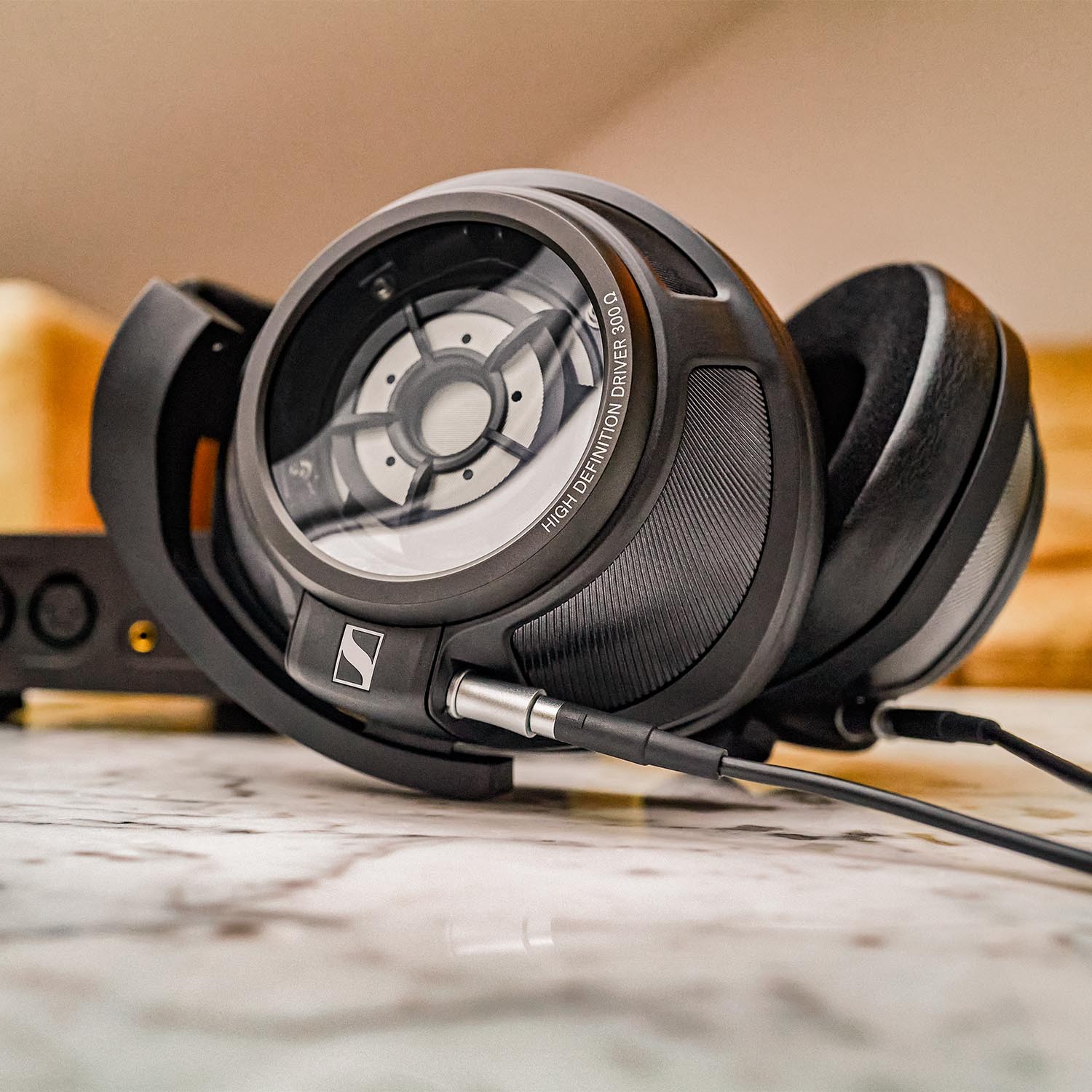
The most visually striking feature of the HD 820 is the curved glass on the ear cups. This isn’t decoration. The glass reflects internal sound waves into carefully placed absorbers that control resonances across a very wide frequency range.
This clever acoustic design is what allows the HD 820 to keep its clarity and openness while remaining closed. You get strong isolation, improved bass presence, and a surprisingly airy top end—all at the same time.
Power Required
With a 300-ohm impedance, the HD 820 clearly expects to be paired with proper equipment. A dedicated headphone amplifier is strongly recommended, and the headphones scale noticeably with better sources and amplification.
Give them clean power and a transparent signal, and they reward you with a refined, highly resolved sound that doesn’t fatigue over time.
The Sennheiser HD 820 isn’t chasing trends, and that’s exactly why it still feels relevant. Its design is timeless, its tuning is neutral and dependable, and its build quality suggests it will still be working perfectly many years from now.
If you’re looking for a closed-back headphone that prioritizes realism, comfort, and long-term value over instant wow-factor, the HD 820 remains a serious reference—and a quietly confident classic.


Sound Off
0Join the discussion if you have something to add.