
Kiwi Ears Spark puts an open design to practical use
The Kiwi Ears Spark is designed around mobility, combining an open form, secure fastening, Bluetooth 5.2, practical call features, and up to seven hours of playback.

Kiwi Ears Spark approaches wireless listening with an open design intended for daily routines, exercise, walking, and travel. Instead of concentrating solely on compact dimensions, the headphones combine a secure wearing system with relatively light 8.7-gram earpieces, straightforward Bluetooth connectivity, and a charging case equipped for repeated top-ups. At $100, the Spark is positioned as a practical personal-audio product for listeners who value comfort, calls, and mobility alongside music playback.
An open design shaped around everyday movement
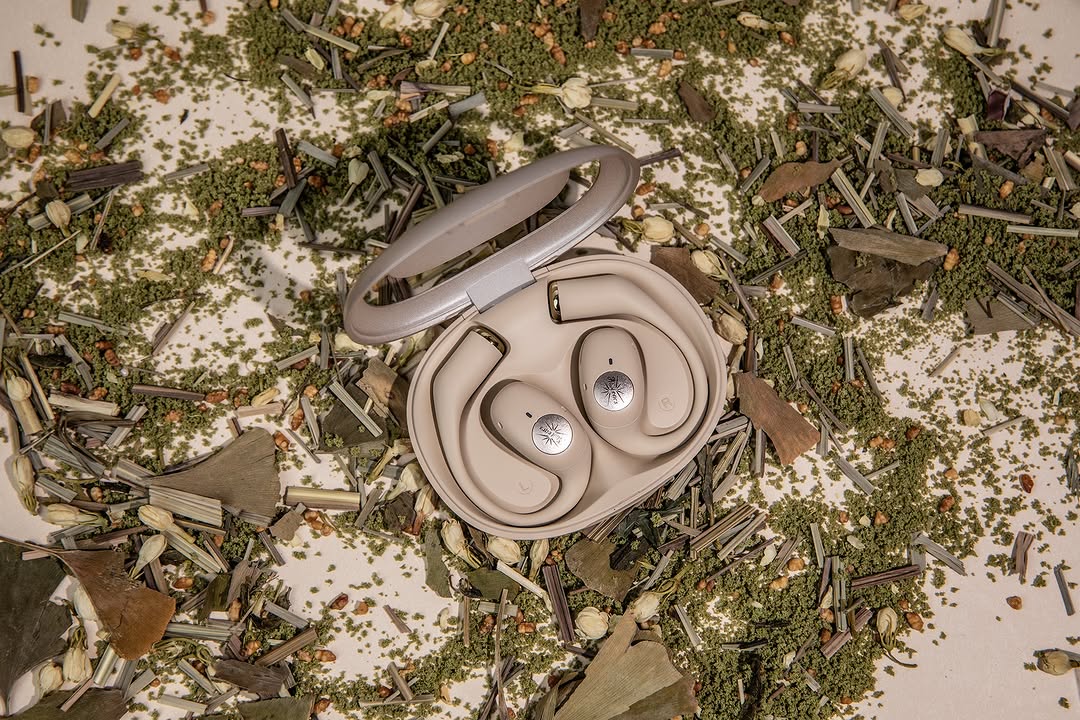
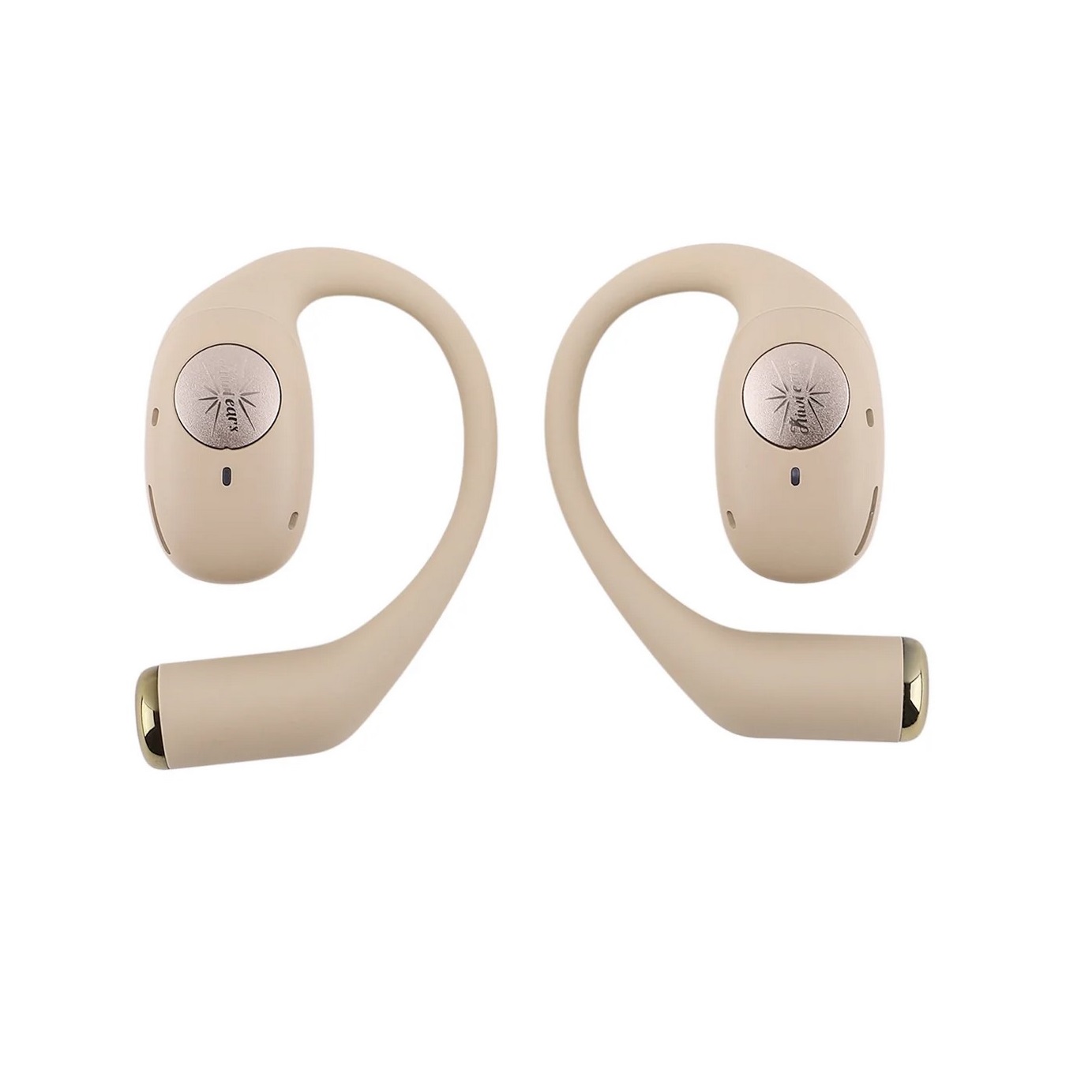
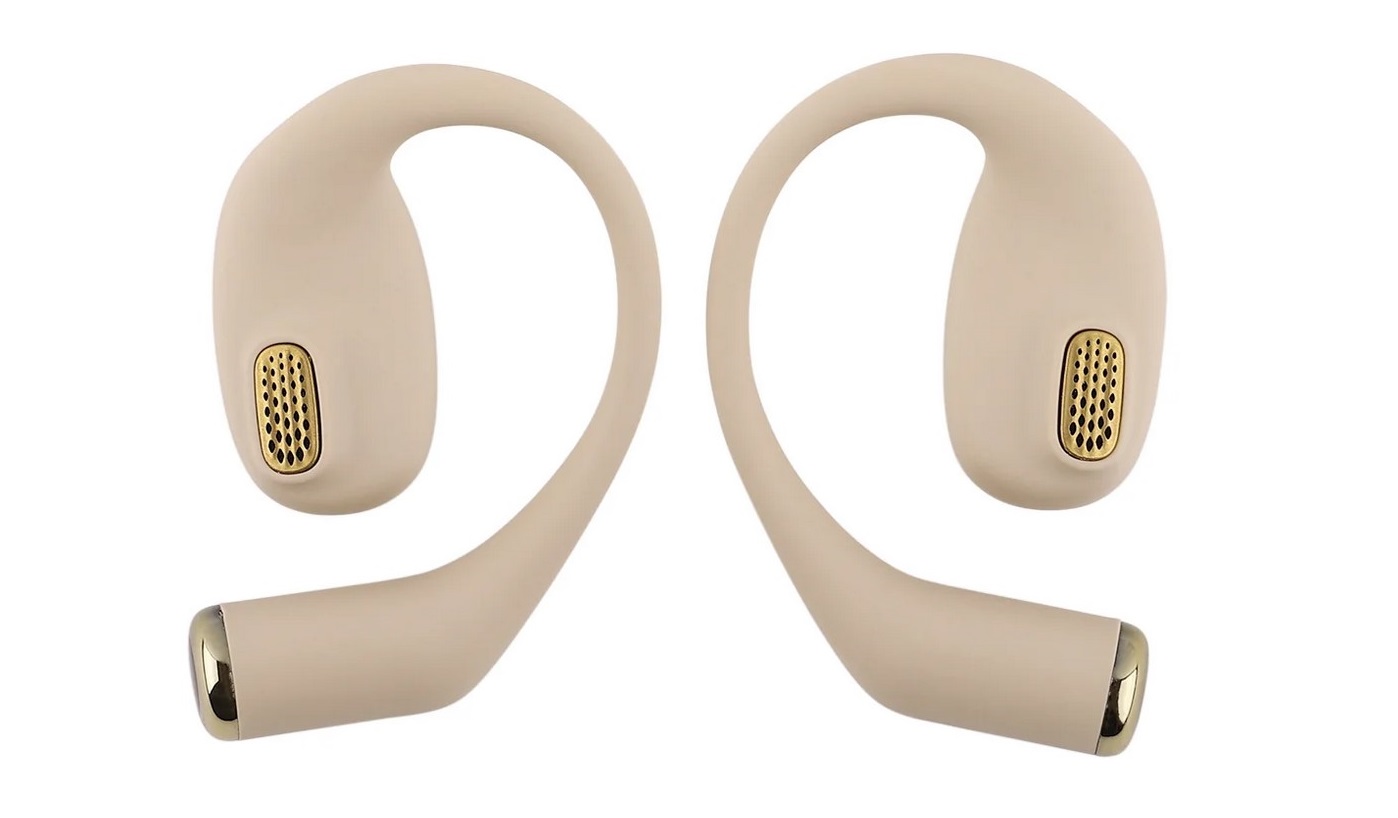
The defining feature of the Kiwi Ears Spark is its open construction. This format will be particularly relevant to people who do not enjoy the sealed feeling of conventional in-ear headphones. Kiwi Ears also emphasizes comfortable fitting and secure fastening, two considerations that matter when headphones are expected to remain in place during walks, training sessions, or longer periods away from home.
Each earpiece measures 46.05 x 38.63 x 17.29 mm and weighs 8.7 grams. Those figures help explain the Spark’s intended role: it is a wearable device designed to stay attached during everyday activity rather than a conventional over-ear headphone scaled down for portability. The fastening arrangement should also reduce dependence on a tight ear-canal seal as the sole means of keeping the earpieces secure.
An open design does, however, serve a particular preference rather than every possible use. Listeners seeking strong physical isolation from trains, aircraft cabins, or busy offices may favor a sealed alternative. The Spark instead makes most sense for owners attracted to an open wearing style and a less enclosed fit. That distinction is central to understanding the product rather than treating it simply as another pair of true-wireless earbuds.
Wireless support goes beyond the basics
The Spark uses Qualcomm’s QCC3040 chipset and Bluetooth 5.2. Its documented profiles include A2DP 1.3.2 for stereo audio, AVRCP 1.6.2 for playback control, and HFP 1.8 for hands-free calling. AVCTP, AVDTP, SPP, and HID support are also listed. Together, these specifications show that the wireless platform is intended to handle music, controls, calls, and communication with compatible source devices.
Codec compatibility includes SBC, AAC, and aptX. SBC provides the common baseline required for broad Bluetooth interoperability, while AAC is relevant to many phones and tablets. AptX gives users another supported option when the source device also offers it. Codec availability does not by itself establish how the headphones will sound, but supporting all three makes the Spark easier to match with a varied collection of mobile hardware.
The specified wireless transmission range is 12 meters. Actual range will naturally depend on walls, interference, and the connected device, but the figure is useful for owners who want to move around a room without carrying their phone at every moment. Voice-assistant integration adds another hands-free option, including the ability to summon Siri and issue voice commands from the headphones.
A music presentation intended to retain bass presence
Kiwi Ears characterizes the Spark’s stereo presentation as clear and balanced, with a pronounced low-frequency component. Without independent listening or measurement, that description is best understood as the intended tuning direction rather than a verified performance judgment. Even so, it indicates that the open format has not been positioned exclusively around speech or background listening; music playback remains a primary use.
A more noticeable bass emphasis may be attractive during exercise, commuting, and other situations where listeners often want a substantial rhythmic foundation. The combination of stereo playback, A2DP support, and multiple codecs also makes the Spark more flexible than a communication-only wearable. Prospective owners should nevertheless consider that fit and positioning can influence the perceived tonal balance of any open headphone design.
Call handling without confusing ENC with ANC
For calls, the Spark includes environmental noise cancellation, or ENC. This function is intended to reduce background noise captured during conversations so that the person at the other end can hear the wearer’s voice more clearly. Both earpieces support two-way communication, which is useful when taking calls while moving rather than relying on only one side for voice pickup and playback.
It is important to distinguish this call-focused ENC feature from active noise cancellation for music listening. The published specification does not identify the Spark as an ANC headphone that electronically suppresses surrounding sound for the wearer. Its noise-reduction provision is associated with voice communication, complementing the omnidirectional silicon microphone.
The listed microphone has a sensitivity of -38 ± 1 dB, a frequency response of 100 Hz to 10 kHz, and a 62 dB signal-to-noise ratio. These figures provide useful technical context, although they should not be treated as a substitute for real-world call testing across different environments.
Battery capacity suited to a day’s shorter sessions
Playback time is specified at up to seven hours when listening at 70 percent volume. Talk time is rated at up to five hours at maximum volume, while headphone standby time reaches up to 240 hours. As always with battery products, volume, connection conditions, call usage, codec choice, and battery age can affect practical endurance.
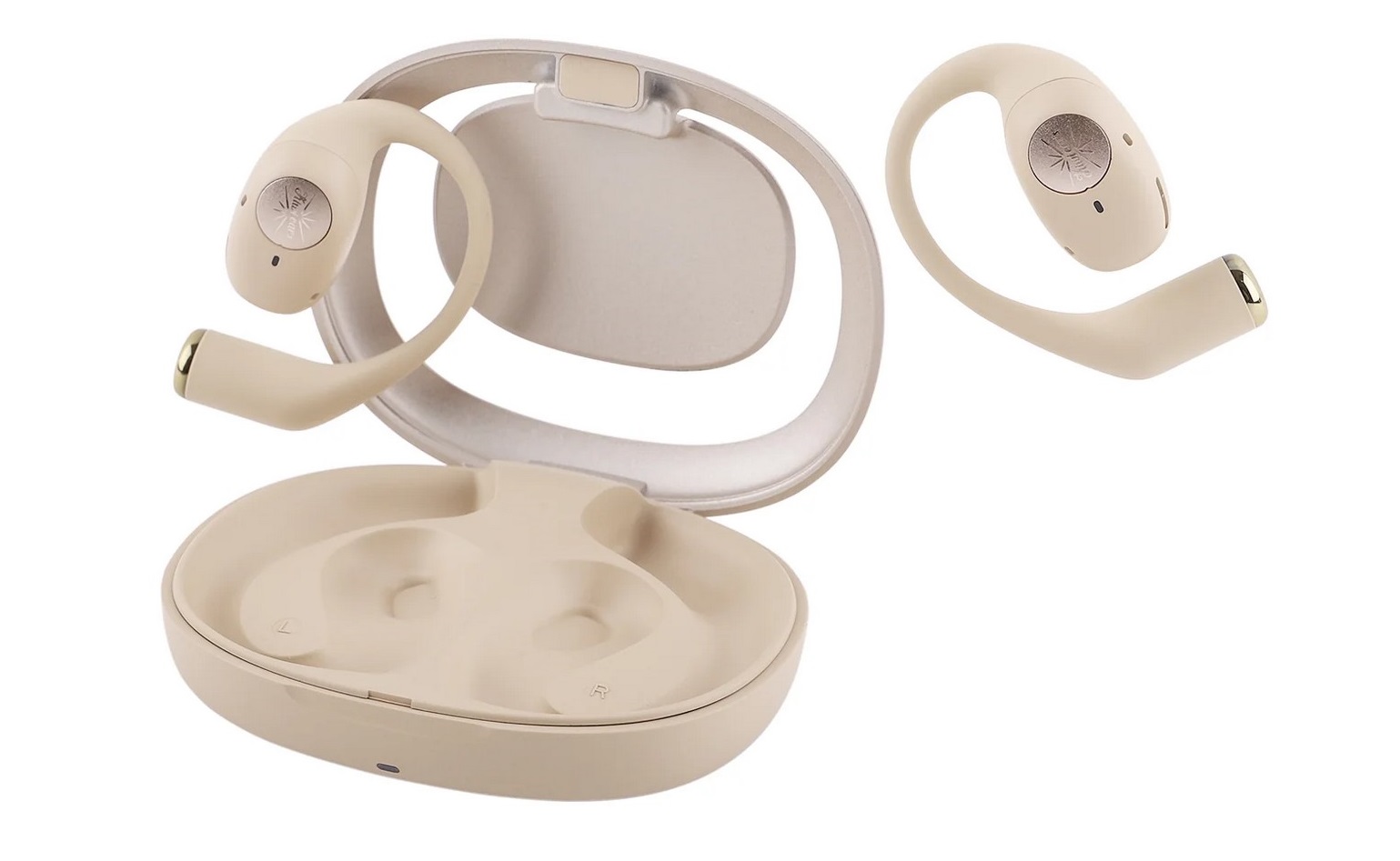
Each earpiece contains a 60 mAh battery. The case has a much larger 1,000 mAh capacity and is specified to recharge the headphones two to three times. This arrangement supports several listening sessions before the case itself needs to be connected to power, which is useful for commuting, gym visits, or short trips.
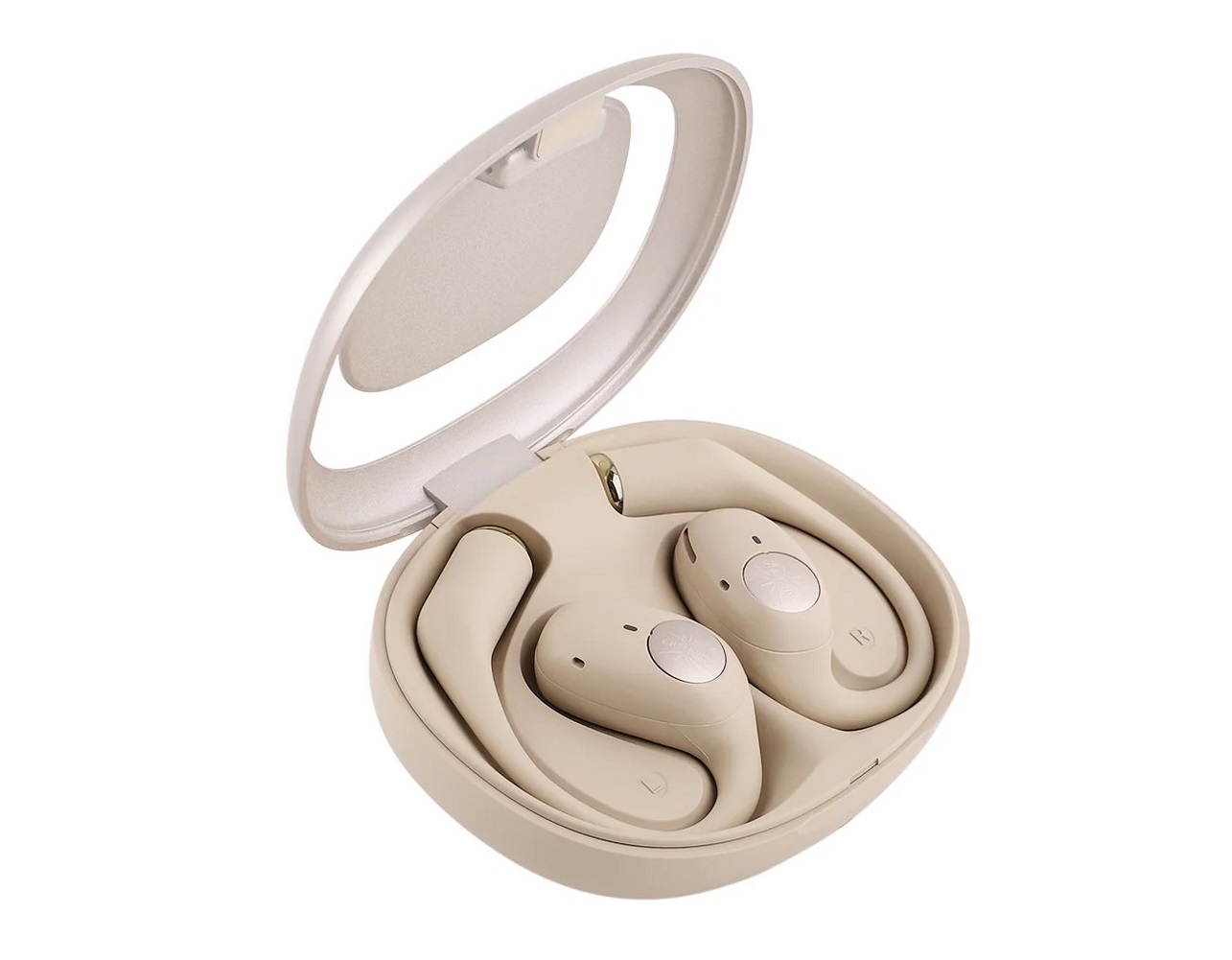
Charging the headphones takes less than 1.5 hours, according to the specification, and the case also requires less than 1.5 hours to recharge through USB Type-C. A case charge indicator gives the owner a visible way to monitor remaining capacity rather than relying entirely on the connected phone. The case measures 82.58 x 65.49 x 26.3 mm and weighs 85 grams, making it a meaningful part of the total carrying package rather than an incidental accessory.
Protection designed for active routines
The charging case carries an IP45 rating, providing documented protection against dust and water ingress at that level. That is a practical inclusion for equipment likely to be carried to workouts or exposed to moisture during everyday travel. The rating should still be interpreted precisely: it is not a claim of full waterproofing, and the supplied information specifically attributes IP45 protection to the case.
Combined with secure fastening, the protected case reinforces the Spark’s active-use positioning. Owners can store and recharge the headphones between sessions while gaining a defined level of protection for the case itself. Sensible handling remains appropriate, particularly because no separate ingress-protection rating is stated for the earpieces in the available specifications.
Who the Kiwi Ears Spark is most suitable for
The Spark is best aligned with listeners who prefer an open wearing format, want their headphones held securely during movement, and split their use among music, voice calls, workouts, walks, and travel. Support for SBC, AAC, and aptX also makes it suitable for households using more than one type of phone, tablet, or other Bluetooth source.
Its voice-assistant access, dual-earpiece communication, USB-C charging, case indicator, and multiple case recharges should appeal to owners who prioritize low-friction daily operation. At $100, it occupies a position where those practical details and the open construction are likely to be as important as the core ability to play stereo audio.
It is less obviously suited to someone whose priority is maximum isolation from external noise or active noise cancellation during playback. Buyers who need verified water protection for the earpieces should also note that the documented IP45 rating applies to the case. Within those boundaries, the Spark presents a coherent set of features for mobile users who value an open, securely fastened alternative to sealed in-ear headphones.
Conclusion
Kiwi Ears Spark brings together an open wearing design, 8.7-gram earpieces, secure fastening, Bluetooth 5.2, SBC, AAC and aptX support, call-focused ENC, and voice-assistant access. Up to seven hours of playback, two to three additional charges from the 1,000 mAh case, USB-C charging, and an IP45-rated case strengthen its everyday usefulness. Its clearest audience is the active or mobile listener who prefers an open fit and practical communication features over strong acoustic isolation or playback-focused ANC.